Hong Kong Schools Receive AI Guidelines as Principals Face New Leadership Test
HK01 · 1 SOURCESabout 1 hour ago2 MIN
Summary
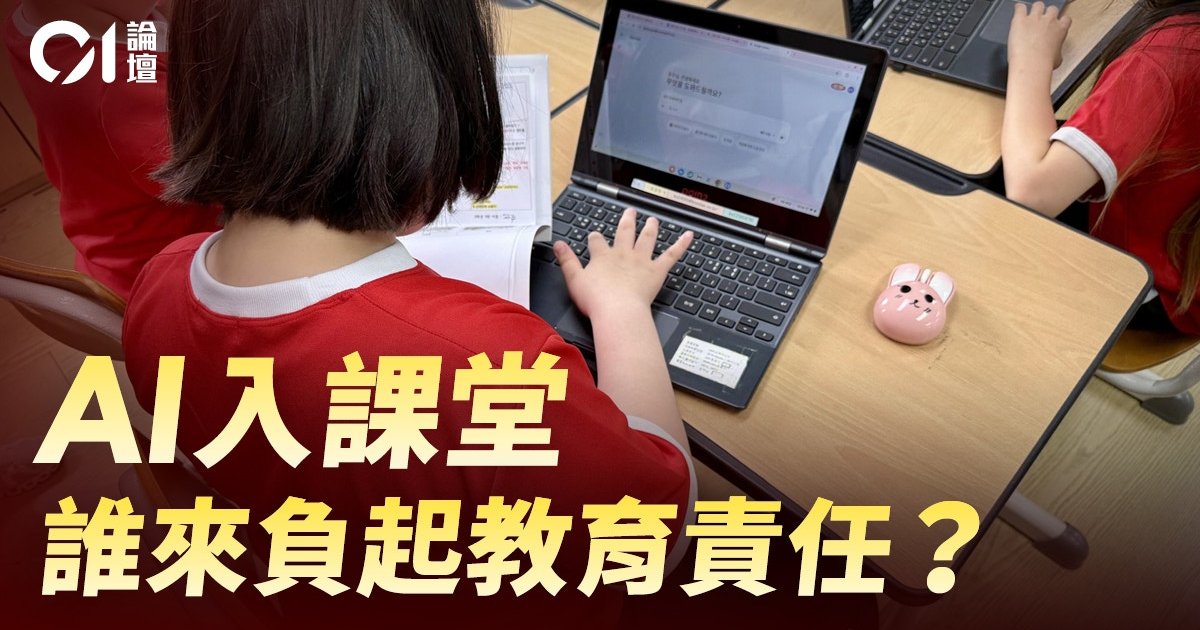
The Education Bureau of Hong Kong has kickstarted a major initiative to bring artificial intelligence into classrooms across the city's primary and secondary schools. On August 24-25, 2026, the bureau held an "AI Leadership Training" session for approximately 1,400 school principals, vice-principals and middle managers, covering topics ranging from converting policy directions into school-based actions to AI literacy frameworks and considerations for AI in teaching and assessment .
Key Points
- On June 17, 2026, the Education Bureau released the "Digital Education Development Blueprint for Primary and Secondary Schools," outlining "Four Key Areas and Ten Strategies," alongside a one-time grant of 500,000 Hong Kong dollars to all publicly-funded schools .
- The three-year "Smart Learning" funding programme requires schools to incorporate digital education into their development or annual plans for the 2026/27 academic year, with teachers completing at least 30 hours of digital education training per three-year professional development cycle .
- The author, Lo Sze-yu, an academic director at an international school, argues that simply adopting more AI tools does not equate to better education; schools must first identify specific educational problems before selecting platforms .
- Schools should establish clear risk tiers for AI usage: teachers can independently experiment with low-stakes applications like generating practice exercises, while formal assessments and decisions affecting student progression require management approval .
- Procurement decisions must address equity concerns, including whether students need separate accounts, whether input data is retained or used for training, and whether free versus paid versions create advantages for wealthier students .
Why It Matters
Hong Kong's 1,400 school leaders are now at the forefront of a transformative but potentially disruptive shift in education. The success or failure of AI integration will depend not on which tools schools adopt, but on whether administrators can articulate why specific technologies serve learning goals and which human competencies—like critical thinking and moral responsibility—must remain beyond automation . With 50,000 annual training places available, the window for establishing sound institutional practices is narrow but critical.
Hong Kong's 1,400 school leaders are now at the forefront of a transformative but potentially disruptive shift in education. The success or failure of AI integration will depend not on which tools schools adopt, but on whether administrators can articulate why specific technologies serve learning goals and which human competencies—like critical thinking and moral responsibility—must remain beyond automation . With 50,000 annual training places available, the window for establishing sound institutional practices is narrow but critical.