Iran Warns of Strikes on US$2 Trillion in American AI Infrastructure in Middle East
AM730 · 2 SOURCES1 day ago2 MIN
Summary
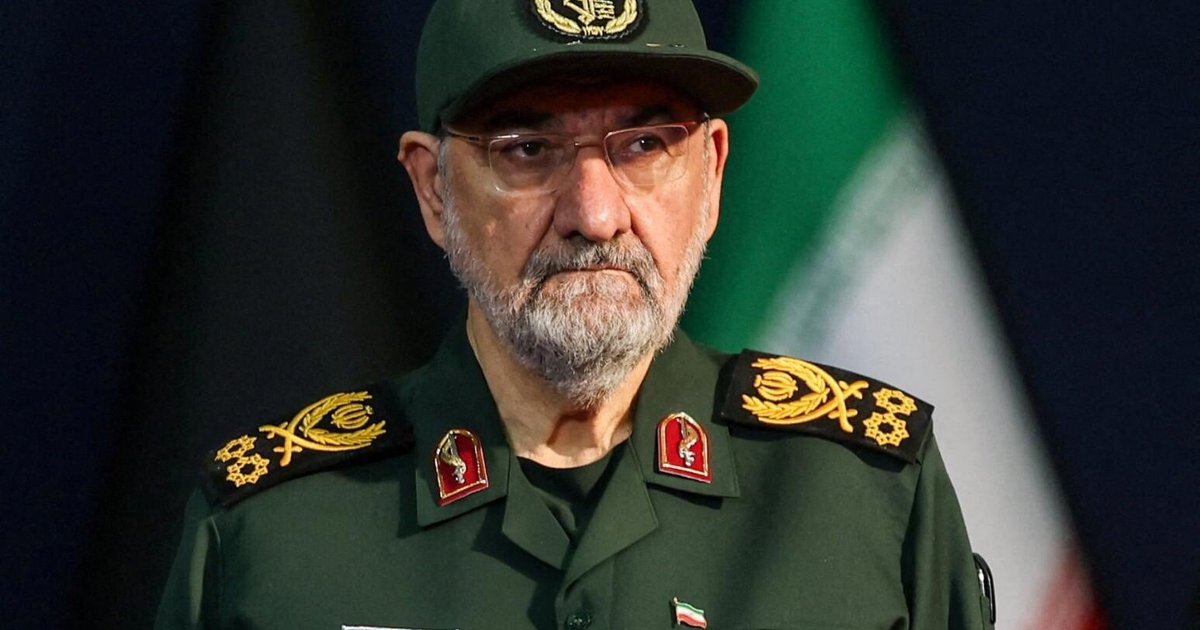
Tensions in the Middle East continue to escalate as Iran has threatened to destroy American technology infrastructure worth over US$2 trillion if hostilities with the United States reignite. In a detailed 30-minute interview broadcast on state-run Press TV, senior Iranian security official Mohsen Rezaei outlined potential strike targets including AI facilities, data centers, and undersea cables deployed near the United Arab Emirates and around the strategic Strait of Hormuz. Separately, the Islamic Revolutionary Guard Corps (IRGC) announced it has prepared new combat capabilities and would respond to any American attack with significantly greater force than before.
Key Points
- Iranian security official Mohsen Rezaei stated in a 30-minute Press TV interview that AI facilities, data centers, and undersea cables are legitimate targets if war breaks out
- Rezaei identified assets worth over US$2 trillion deployed near the UAE and the Strait of Hormuz, calling them the economic pulse of American presence in the region
- The IRGC spokesperson stated Iran is prepared to respond to American aggression with greater force, warning that any new attack would come at a heavier cost
- The IRGC rejected American claims of divisions among Iranian leadership as false propaganda designed to mask American failures in warfare
- While these facilities have not yet been designated as strike targets, Rezaei warned the situation would change dramatically if hostilities resume
Why It Matters
The threats highlight the growing militarization of technology infrastructure in the Gulf region, where American investments in AI and data facilities have expanded significantly. For Hong Kong, which serves as a major node in global undersea cable networks and a hub for technology firms, such threats to critical infrastructure underscore the vulnerability of interconnected digital systems to geopolitical conflict. The escalation also signals potential risks to supply chains and data routing that pass through the Strait of Hormuz, a chokepoint through which substantial Asian trade flows .
The threats highlight the growing militarization of technology infrastructure in the Gulf region, where American investments in AI and data facilities have expanded significantly. For Hong Kong, which serves as a major node in global undersea cable networks and a hub for technology firms, such threats to critical infrastructure underscore the vulnerability of interconnected digital systems to geopolitical conflict. The escalation also signals potential risks to supply chains and data routing that pass through the Strait of Hormuz, a chokepoint through which substantial Asian trade flows .