Commentary urges trauma safeguards in open murder trials
HK01 · 1 SOURCESabout 18 hours ago2 MIN
Summary
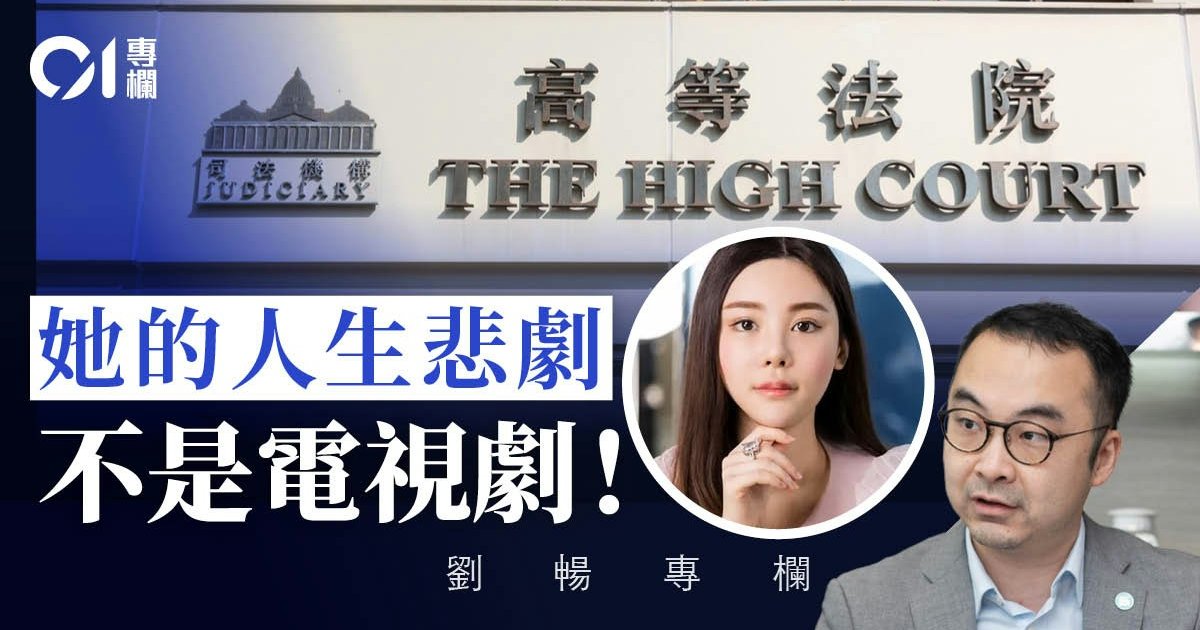
A commentary by Lau Cheong says the nearly two-month High Court trial over the Abby Choi case has exposed a wider institutional problem beyond the case itself: how to preserve open justice without inflicting further harm on victims’ families. It argues that transparency in criminal proceedings should not mean unrestricted public exposure of graphic evidence, private details and sensational retellings.
Key Points
- The commentary says the High Court trial in the Abby Choi case has run for nearly two months, and the judge estimated the jury could retire to deliberate as early as next week.
- Lau Cheong, identified as a doctor and a convenor of Hong Kong New Direction, says homicide trials are structurally imbalanced because defendants can answer allegations while the deceased cannot respond.
- He argues that testimony about a victim’s private life, relationships and finances may be legally relevant in court, but can be stripped of context and turned into gossip once widely circulated.
- The article says some prospective jurors sought exemption because crime-scene photographs were too distressing, and it argues family members in court may face compounded trauma as witnesses, observers and readers.
- It proposes practical measures including split-screen display of graphic images, advance notice to relatives through witness liaison staff, video viewing options, dedicated access routes and tighter handling of irrelevant attacks on a deceased victim’s character.
Why It Matters
The commentary argues Hong Kong does not need to choose between judicial transparency and protection for survivors, because existing human-rights principles already allow limited privacy safeguards in appropriate circumstances. It also says the city should consider giving victims’ rights a firmer legal basis, noting that Hong Kong’s Crime Victims Charter is not legally binding.