US Mahjong Boom Triggers Dispute Over Tile Designs
Thestandard · 2 SOURCESabout 3 hours ago2 MIN
Summary
Mahjong, a game that originated in 19th-century China, has become a fast-growing social pastime in the United States, with clubs and games appearing in venues ranging from libraries and bars to cruise ships and poolside gatherings. The revival has also exposed a cultural divide, as some US businesses market redesigned sets that replace traditional Chinese characters and imagery with Western-themed symbols such as cowboy boots and palm trees. Critics in Asian-American communities argue that such changes erase Chinese cultural links to a centuries-old game, while supporters of American mahjong say adaptation is part of a game that has been played in the US for nearly a century. The debate has widened into a broader argument over who gets to redefine a traditional game as it spreads across cultures.
Key Points
- Mahjong originated in 19th-century China, reached the United States in the 1920s, and the National Mah Jongg League was founded by Jewish-American women in 1937.
- The game’s US popularity has surged recently, with Yelp searches for “mahjong club” rising more than 40-fold last year.
- Games are now appearing across varied social settings, including libraries, bars, cruise ships and poolside gatherings, underscoring mahjong’s mainstream social appeal.
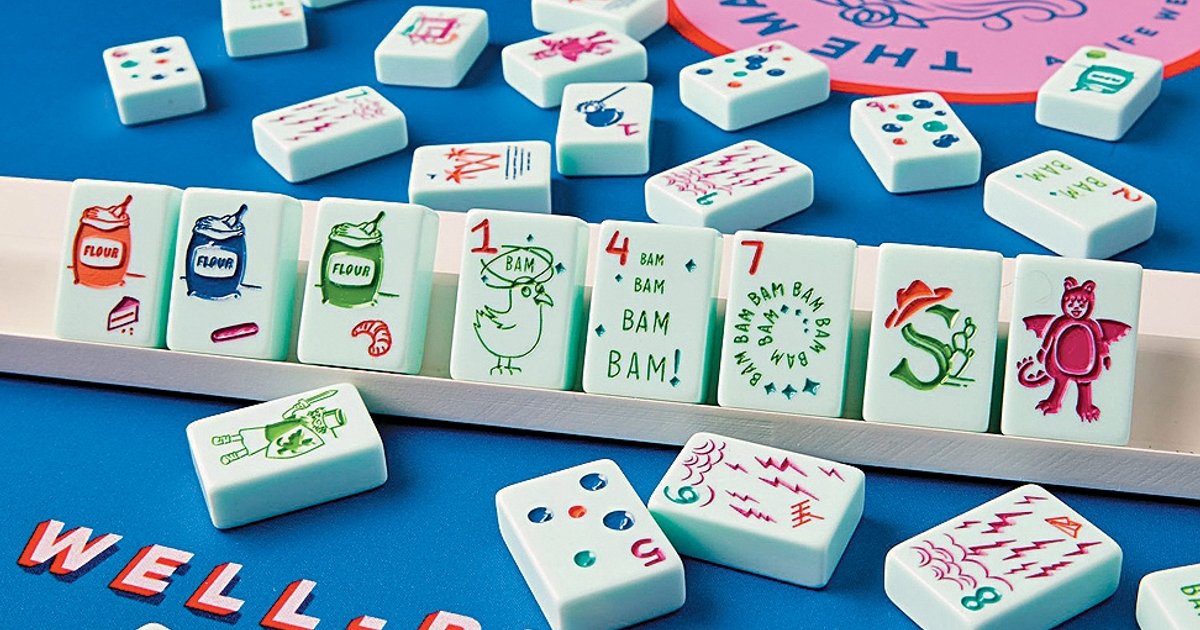
- In 2021, luxury brand The Mahjong Line drew backlash after calling traditional tiles monotonous and replacing classic suits with “BAM!”, bubbles and “Flour” pun tiles.
- University of Oregon historian Annelise Heinz said that although rules and sets vary globally, mahjong tiles usually retain elements of traditional Chinese motifs.
Why It Matters
For Hong Kong readers, the dispute shows how a familiar Chinese game can be embraced abroad while also being detached from the cultural symbols that many players see as essential. It also raises a wider question for Chinese communities overseas and in Asia: when a tradition becomes global and commercial, how much change counts as adaptation and how much feels like erasure