Canada's Last Captive Belugas Relocated as Historic Marineland Closes
AM730 · 2 SOURCESabout 2 hours ago2 MIN
Summary
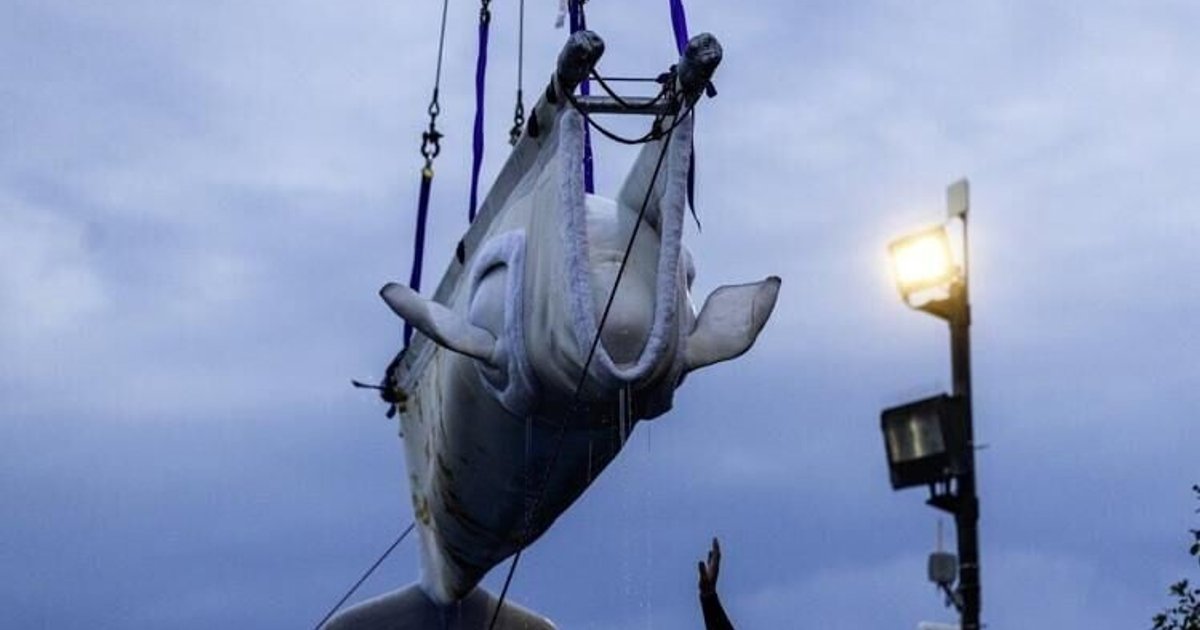
The world's largest cetacean rescue operation reached its conclusion as Marineland, the longstanding theme park in Ontario, Canada, completed the transfer of its final six beluga whales to American aquariums. The emotionally charged operation, conducted between August 31 and September 1, saw the 1,500-kilogram beluga Tofino lifted by crane from its pool, symbolizing the end of Canada's captive whale era. Trainers expressed profound grief during farewells, with one describing the separation as painful as losing a child. The park, which had faced years of animal welfare criticism, financial collapse, and the deaths of 21 marine mammals since 2019, has now officially closed.
Key Points
- Six beluga whales were transferred to Shedd Aquarium in Chicago (Yukon and Gimli) and SeaWorld San Antonio in Texas (Tofino and three others), with each whale secured in specialized stretchers
- Trainer Taylor-Lee Dell, who cared for beluga Odin for five years, tearfully said: "I tried to say goodbye, tell him I loved him and comfort him. Losing him hurts just like losing my own child."
- Canada enacted legislation in 2019 banning cetacean captivity and commercial performances, prompting the park's decline after the deaths of one orca, one dolphin, and 19 belugas
- Management threatened to euthanize remaining belugas due to financial collapse; an attempt to sell 30 belugas to Chimelong Ocean Kingdom in Zhuhai was rejected by the Canadian government
- Three elderly belugas, including 23-year-old Peekachu, died from complications during or shortly after the transfer, highlighting the risks of relocating aged marine mammals
Why It Matters
The closure of Marineland represents a watershed moment in global attitudes toward captive marine mammals. The trainers' emotional connections with these whales challenge long-held assumptions about animal emotions and cognition, potentially influencing future conservation policies worldwide . As one former critic noted, the clearing of the park's tanks marks not just an ending, but a shift in how societies balance entertainment with animal welfare.
The closure of Marineland represents a watershed moment in global attitudes toward captive marine mammals. The trainers' emotional connections with these whales challenge long-held assumptions about animal emotions and cognition, potentially influencing future conservation policies worldwide . As one former critic noted, the clearing of the park's tanks marks not just an ending, but a shift in how societies balance entertainment with animal welfare.