Health Department Finds No Lead Poisoning in Infants After Dutch Formula Scare
Thestandard · 1 SOURCESabout 2 hours ago2 MIN
Summary
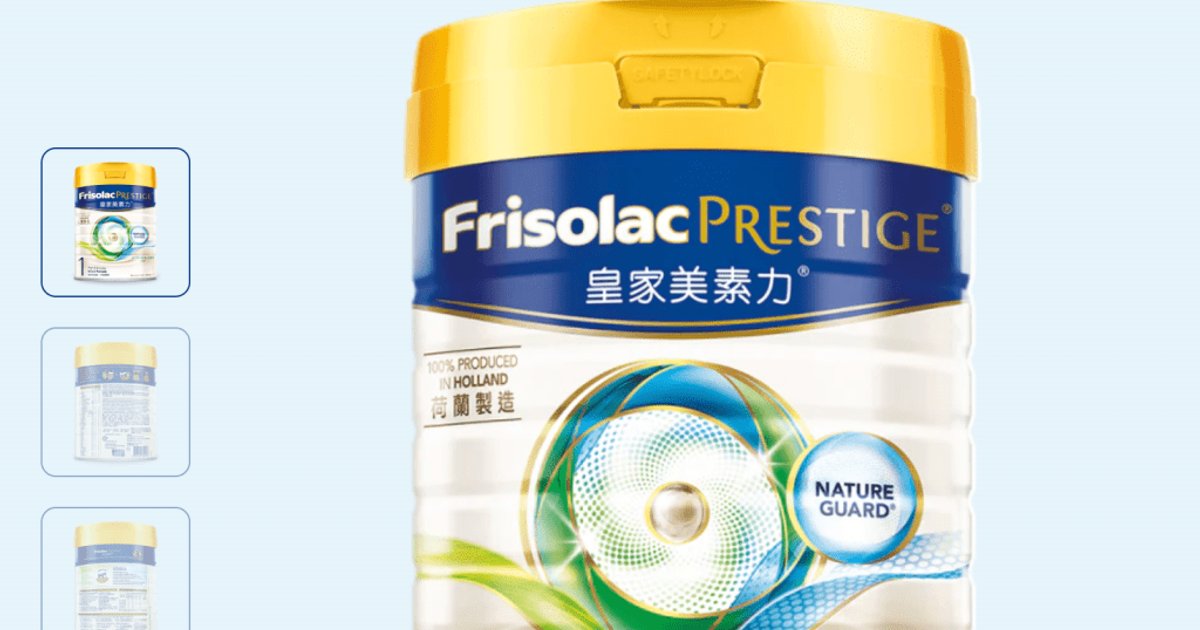
Hong Kong's Department of Health announced that none of the 237 infants and young children clinically assessed after consuming a recalled batch of Dutch-made powdered formula showed signs of lead poisoning. The findings came after authorities received 762 enquiries following the discovery of elevated lead levels in Frisolac Prestige Stage 1 Infant Formula.
Key Points
- The Department of Health established a dedicated hotline on July 26 after Macau authorities flagged potentially excessive lead levels in Frisolac Prestige Stage 1 Infant Formula (800 gram packaging)
- Of the 762 enquiries received by noon Wednesday, 446 infants and young children were referred to the Hospital Authority for medical evaluations based on individual circumstances
- Clinical assessments of 237 infants conducted by the Hospital Authority revealed generally good health with no detected signs of lead poisoning
- The remaining referred children had not yet been assessed, with some parents opting against further evaluation while others await appointments
- Centre for Food Safety surveillance has found no powdered infant formula products exceeding Hong Kong's statutory lead standard
Why It Matters
The successful screening of nearly 250 infants provides relief to thousands of anxious parents who purchased the affected formula batch, while demonstrating Hong Kong's capacity for rapid public health response. The closure of the hotline this Friday signals authorities' confidence that the potential contamination risk has been contained, though ongoing market surveillance continues to safeguard infant food safety .
The successful screening of nearly 250 infants provides relief to thousands of anxious parents who purchased the affected formula batch, while demonstrating Hong Kong's capacity for rapid public health response. The closure of the hotline this Friday signals authorities' confidence that the potential contamination risk has been contained, though ongoing market surveillance continues to safeguard infant food safety .