From Prison Food to Luxury: The Surprising History of Lobster
Bastillepost · 1 SOURCES1 day ago2 MIN
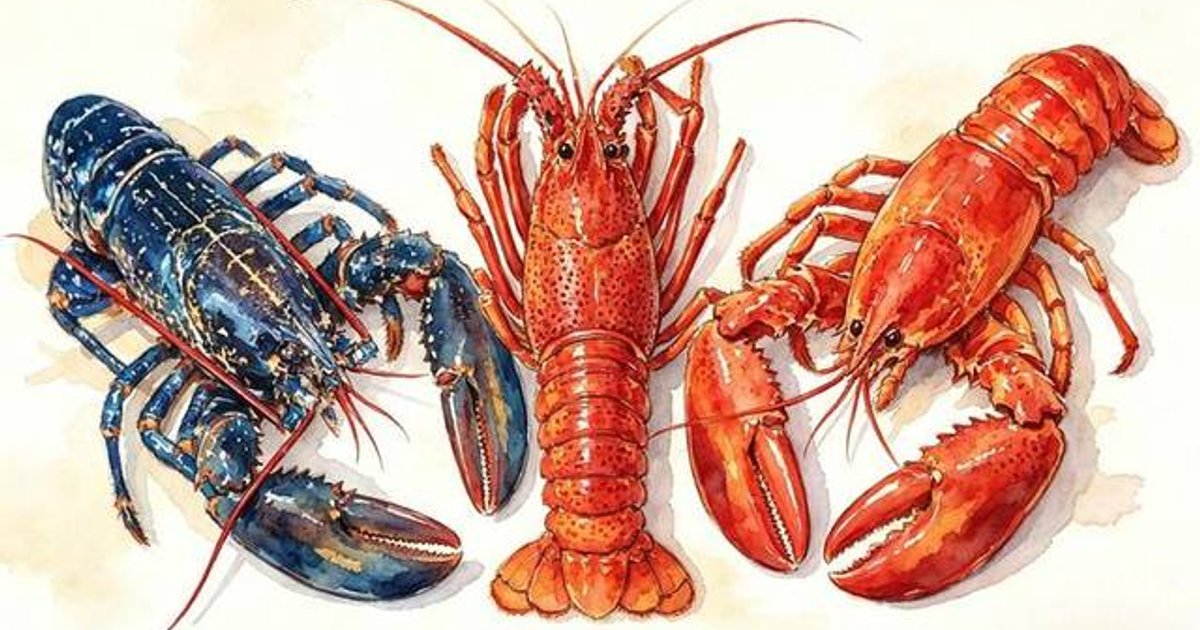
Summary
Lobster, today's symbol of luxury dining, was once derided as "sea cockroaches" and considered fit only for prisoners and slaves in colonial North America. During the 17th to 18th centuries, massive lobster die-offs on New England and Canadian beaches led settlers to treat them as worthless pests. The crustacean's dramatic transformation from prison fare to buffet centerpiece began in the mid-to-late 1800s when railroads and canning technology opened up inland markets. This story reveals how supply, marketing, and perception—not taste—determine a food's perceived value.
Key Points
- During the North American colonial period, American clawed lobsters (Homarus americanus) were so abundant that thousands washed ashore on New England and Canadian beaches after storms, earning them the nickname "Cockroaches of the sea"
- Colonial settlers considered lobster meat worthless, using it primarily as agricultural fertilizer or fishing bait rather than food for themselves
- Lobster was reserved exclusively for low-status groups: farm workers, indigenous slaves, and prison inmates, who often received poorly prepared specimens that had been stored for days until spoiled
- Some jurisdictions reportedly enacted regulations limiting how many times per week inmates could be fed lobster to prevent what was considered cruel and unusual punishment
- The lobster's fortunes reversed in the mid-to-late 19th century when canning technology and expanding railroad networks allowed merchants to ship lobster meat to inland cities where residents, unfamiliar with the creature's unappealing appearance, embraced it as a rare Atlantic delicacy
Why It Matters
This culinary redemption story holds a mirror to modern food culture, where perceived prestige often stems from scarcity and marketing rather than intrinsic qualities. For Hong Kong buffet-goers, understanding this history adds another layer to the dining experience—the luxury item on their plates was once considered fit only for those society wished to punish. The lobster's journey from contempt to reverence illustrates how food values are ultimately shaped by economics, accessibility, and the power of presentation.
This culinary redemption story holds a mirror to modern food culture, where perceived prestige often stems from scarcity and marketing rather than intrinsic qualities. For Hong Kong buffet-goers, understanding this history adds another layer to the dining experience—the luxury item on their plates was once considered fit only for those society wished to punish. The lobster's journey from contempt to reverence illustrates how food values are ultimately shaped by economics, accessibility, and the power of presentation.