Japan Bear Project Offers Coexistence Model as Attacks Rise
Thestandard · 2 SOURCESabout 3 hours ago2 MIN
Summary
A pioneering bear management programme launched in Nagano, Japan in 1995 is offering a new approach to wildlife coexistence as the country grapples with rising bear attacks. Scientists working in the forests of central Honshu are using trapping, GPS tagging, and trained Karelian Bear Dogs rather than culling to protect both bears and communities. The programme has contributed to a recovery in Asiatic black bear numbers while reducing dangerous human encounters, even as nationwide fatalities reach alarming levels.
Key Points
- The programme began in 1995 when authorities recognised bear populations were declining in the mountainous regions of central Honshu island
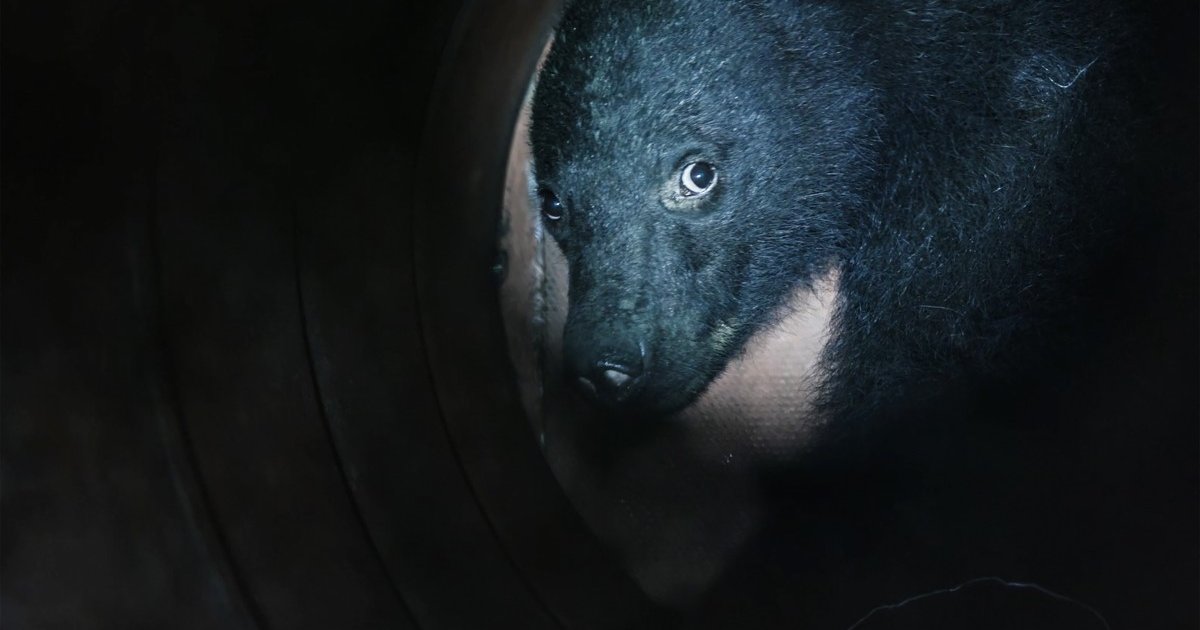
- Scientist Akiko Takii leads field operations, recently capturing and sampling a 15-kilogram female cub about 18 months old that had just separated from its mother
- Methods include trapping and GPS tagging of bears, deploying Karelian Bear Dogs to deter animals, and installing over 3,000 kilometres of fencing near farms, towns and rivers
- Bears that breach defensive measures are tranquilised, tagged and relocated rather than killed
- Nationwide bear attacks have intensified: six fatalities since April 1, following a record 13 deaths last fiscal year, with sightings last year doubling the previous record
Why It Matters
The programme demonstrates that coexistence strategies can sustain healthy wildlife populations while protecting human lives—a finding with implications for biodiversity management globally. As climate change and habitat encroachment increase human-wildlife conflict worldwide, Japan's model offers a evidence-based alternative to lethal control that could be adapted elsewhere.
The programme demonstrates that coexistence strategies can sustain healthy wildlife populations while protecting human lives—a finding with implications for biodiversity management globally. As climate change and habitat encroachment increase human-wildlife conflict worldwide, Japan's model offers a evidence-based alternative to lethal control that could be adapted elsewhere.