Wooden Utensils May Harbor 8 Times More Bacteria Than Toilet Seats, Expert Warns
AM730 · 1 SOURCESabout 3 hours ago2 MIN
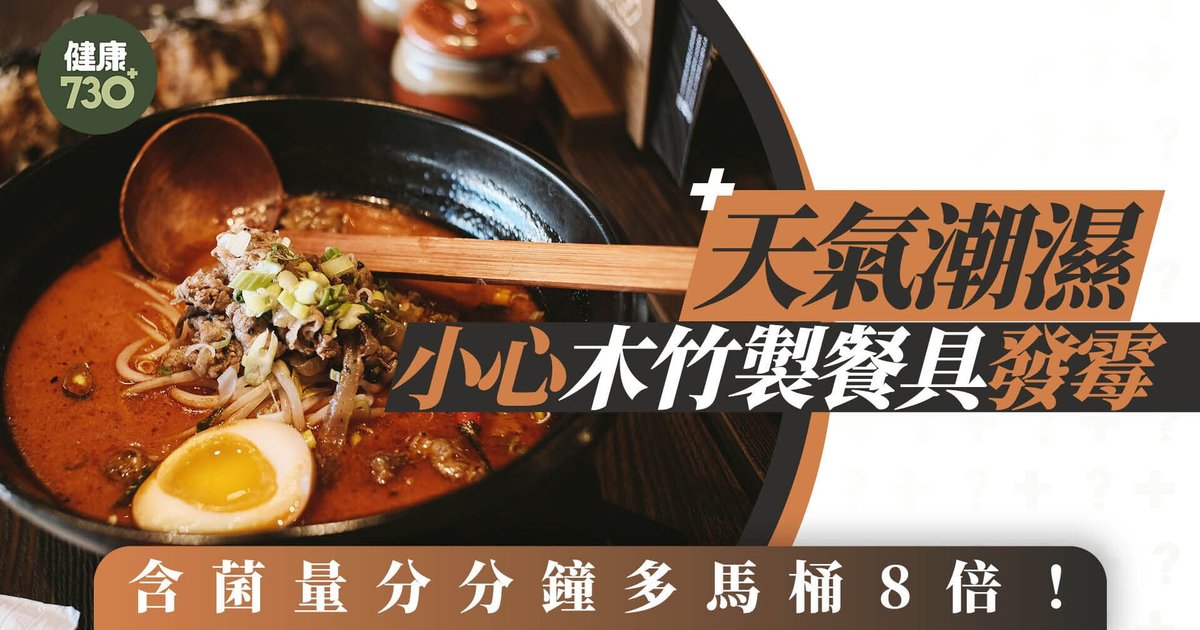
Summary
Hong Kong's perpetually humid climate creates ideal conditions for bacterial growth on dining utensils, prompting health experts to issue urgent hygiene warnings for households using wooden, bamboo, and melamine tableware. Research cited by health platform Gofever reveals that commonly used utensils—despite appearing clean after daily washing—may contain bacterial levels up to eight times higher than toilet seats. A tragic case from mainland China documented how one family developed liver cancer after long-term exposure to toxins from moldy chopsticks, underscoring the potentially life-threatening consequences of neglected utensil hygiene.
Key Points
- Wooden utensils cleaned daily were found to contain 660 bacterial units, exceeding the standard level of 200 units by 3.3 times
- Bamboo utensils with decorative grooves harbor 13,000 bacterial units—65 times more than smooth-surfaced alternatives
- Grooved bamboo products contain over one billion bacteria per gram, potentially 7 to 8 times dirtier than a toilet
- The University of Hong Kong research identified Bacteroides species that consume metabolites, causing liver cancer immunotherapy to fail
- Wooden and bamboo utensils should be replaced every 3 to 6 months; melamine utensils every 1 to 2 years
- Utensils showing discoloration, odor, wear, cracks, or black spots (indicating mold penetration) must be discarded immediately
Why It Matters
Hong Kong residents use eating utensils for virtually every meal, making this a pervasive public health concern that affects virtually every household in the city. The connection between bacterial accumulation on utensils and serious health outcomes—including acute gastroenteritis from bamboo products and potential liver cancer from prolonged toxin exposure—demonstrates how everyday kitchen items can become silent health threats. With simple preventive measures and regular replacement schedules, families can significantly reduce their risk of bacterial infection and long-term health complications from contaminated tableware.
Hong Kong residents use eating utensils for virtually every meal, making this a pervasive public health concern that affects virtually every household in the city. The connection between bacterial accumulation on utensils and serious health outcomes—including acute gastroenteritis from bamboo products and potential liver cancer from prolonged toxin exposure—demonstrates how everyday kitchen items can become silent health threats. With simple preventive measures and regular replacement schedules, families can significantly reduce their risk of bacterial infection and long-term health complications from contaminated tableware.