Xi and Trump invoke wartime ties, worrying Japan
Bastillepost · 2 SOURCESabout 5 hours ago2 MIN
Summary
At separate White House events, US President Donald Trump and Chinese President Xi Jinping both highlighted China-US cooperation during World War II, reviving a historical theme centred on fighting Japanese militarism and the Flying Tigers. Xi expanded on that message at the September 24 state banquet, where he framed wartime solidarity as one of four stories showing more than two centuries of friendly exchanges between the two peoples. Japanese media interpreted the parallel messaging as potentially reinforcing Beijing’s criticism of Japan and its broader anti-Japan narrative, even as the United States remains allied with Japan. The episode also unfolded amid Trump’s effort to secure further Chinese purchases of US goods before the November 3 midterm elections, according to Japanese press analysis.
Key Points
- At an earlier White House welcome ceremony, Trump said the United States and China had fought side by side and won World War II together, with the Flying Tigers still remembered by both peoples.
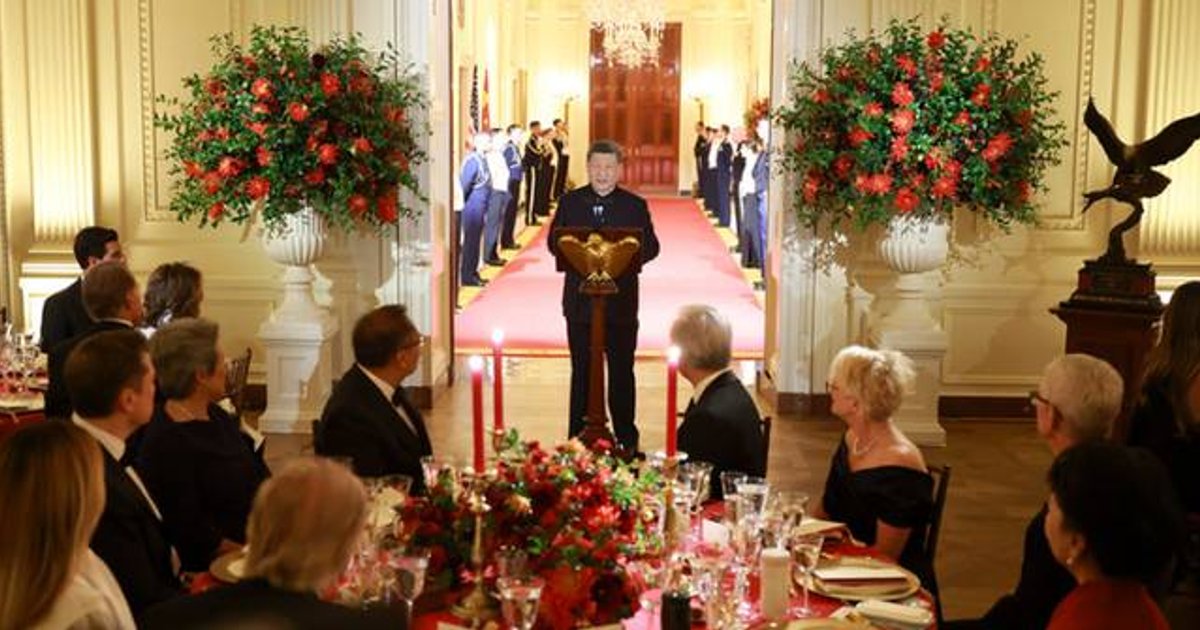
- In his September 24 White House banquet speech, Xi said Chinese and American people jointly resisted Japanese militarist invaders and opened the famous Hump air route.
- Xi said Chinese soldiers and civilians rescued hundreds of American pilots during the war and paid with hundreds of thousands of lives, calling that friendship forged in blood and fire.
- Xi presented wartime cooperation as one of four China-US stories, alongside early trade links, ping-pong diplomacy more than 50 years ago, and a US-backed anti-desertification effort in China.
- Japanese outlets including Nikkei, Yomiuri and Sankei focused on the wartime references, while noting that America’s wartime ally at the time was the Republic of China led by Chiang Kai-shek.
Why It Matters
For Hong Kong readers, the episode shows how historical memory is being used as active diplomatic language in current China-US relations, not merely as ceremonial rhetoric. It also underlines the triangular sensitivity among Beijing, Washington and Tokyo, which can shape regional political messaging and affect how East Asian security issues are framed in public.