Hung Shui Kiu university town targets 2027 move-in
Bastillepost · 11 SOURCESabout 16 hours ago2 MIN
Summary
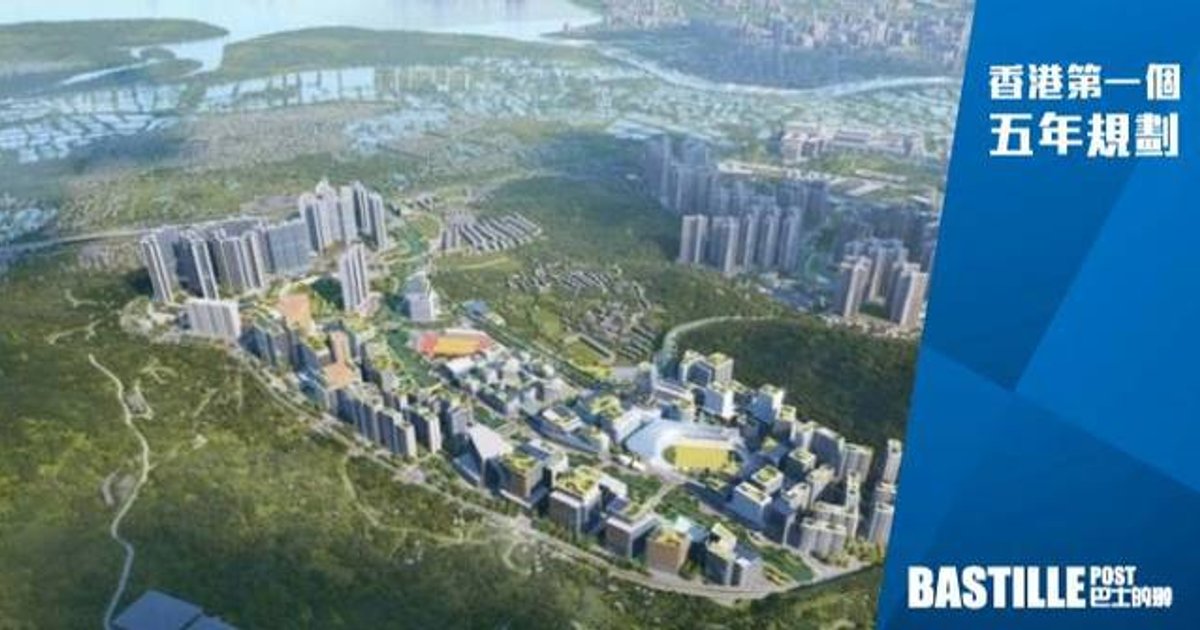
Chief Executive John Lee Ka-chiu announced Hong Kong’s first five-year plan for 2026 to 2030, setting out the Northern Metropolis as a major platform for higher education and innovation growth. Within that blueprint, the government will prioritize Hung Shui Kiu University Town, begin campus land allocation in 2026, and support tertiary institutions to move in during 2027 and 2028 as an early demonstration project. The wider Northern Metropolis university-town plan covers San Tin, Hung Shui Kiu and Ta Kwu Ling, with about 300 hectares of education facilities linked to nearby industry, community and cultural uses across more than 1,000 hectares in total. New details also point to financing support, student hostels, talent apartments and a first student-hostel site sale in the current financial year as part of the education expansion push.
Key Points
- The five-year plan says Hung Shui Kiu University Town will start campus site allocation in 2026 and aims to let institutions move in during 2027 and 2028.
- Hung Shui Kiu is positioned for applied tertiary education in smart manufacturing and international talent cultivation, tied to nearby industrial parks, microelectronics facilities and advanced construction uses.
- The government says the three Northern Metropolis university towns follow a “one town, five elements” model covering education, technology, industry, talent and urban development.
- San Tin University Town will focus on medicine, life and health technology, artificial intelligence, robotics, microelectronics and emerging industries, including a HKUST medical school and integrated teaching hospital.
- Officials will support the university-town buildout through measures including land grants, loans, student hostels and talent apartments, while the first student-hostel site is due for sale this financial year.
Why It Matters
The updated plan gives universities, developers and students a clearer sequence for how higher education expansion in the Northern Metropolis may unfold, with Hung Shui Kiu moving first and San Tin following with larger research infrastructure. It also ties campus growth more directly to transport, housing and nearby industries, which could affect where students live, where talent clusters form and how quickly research is commercialised in the northwest New Territories.