Japanese Land Prices Rise for 5th Year; Osaka Nishi-ku Emerges as Top Performer
SingTao · 1 SOURCESabout 3 hours ago3 MIN
Summary
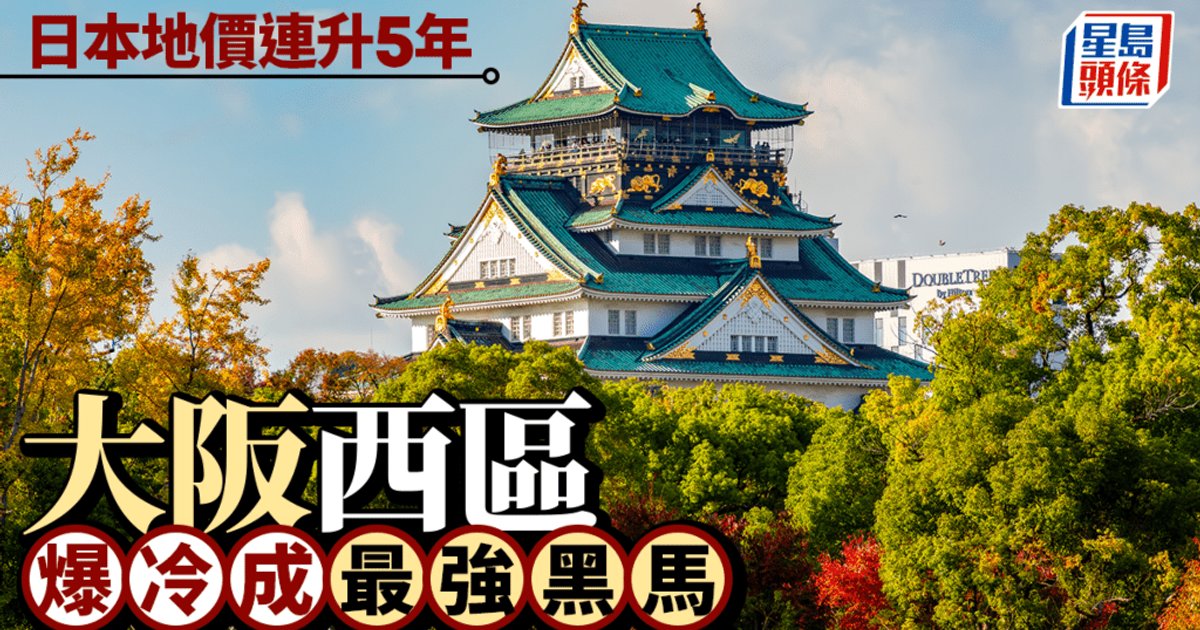
Japanese land prices have risen for the fifth consecutive year, according to the Ministry of Land, Infrastructure, Transport and Tourism's latest standard land price survey released on September 27, 2026. The national average growth of 1.5% for all land types matches last year's post-bubble economy peak. Osaka's Nishi-ku has emerged as an unexpected dark horse, dominating appreciation rankings and capturing seven of the top ten spots for commercial land growth in the city. Meanwhile, the Kansai commercial real estate crown has returned to Minami-ku after seven years of Kita-ku dominance.
Key Points
- Japan's national land prices rose 1.5% across all categories, marking five consecutive years of growth and matching the largest increase since the bubble economy collapse
- Tokyo Chuo-ku's Meijiya Ginza Building retained the title of Japan's most expensive land for the 21st consecutive year at 5.25 million yen per square meter (approximately 2.61 million HKD)
- Osaka's Minami-ku reclaimed the Kansai commercial real estate throne after seven years, with DEKA Ebisubashi Building reaching 2.58 million yen per sqm, a 7.1% annual increase
- Osaka's Nishi-ku emerged as the biggest winner, ranking first in residential land prices at 956,000 yen per sqm (approximately 48,000 HKD), up 10.52% year-on-year
- Nishi-ku captured seven of the top ten spots for commercial land appreciation in Osaka, driven by its value appeal, transport connectivity to Namba, and new subway infrastructure projects
- Tourist hotspots showed exceptional performance, with Furano residential land rising 32% and Hakuba commercial land surging 35.6% due to incoming foreign skiers
- Naniwa-ku, last year's appreciation leader due to minpaku (guesthouse) demand, dropped out of the top ten following stricter special zone accommodation policies
- Japan's residential land prices averaged 1% growth across 20 prefectures, while commercial land rose 2.9% on average, boosted by inbound tourist demand in 34 prefectures
Why It Matters
The dramatic rise of Osaka's Nishi-ku demonstrates how infrastructure development and relative affordability can reshape urban property dynamics, offering Hong Kong investors valuable lessons in identifying emerging markets before they gain mainstream recognition. For Hong Kong property buyers seeking entry points into Japan's real estate market, the contrast between Nishi-ku's explosive growth and Naniwa-ku's policy-driven decline underscores the importance of monitoring local regulations alongside macroeconomic trends when making investment decisions .
The dramatic rise of Osaka's Nishi-ku demonstrates how infrastructure development and relative affordability can reshape urban property dynamics, offering Hong Kong investors valuable lessons in identifying emerging markets before they gain mainstream recognition. For Hong Kong property buyers seeking entry points into Japan's real estate market, the contrast between Nishi-ku's explosive growth and Naniwa-ku's policy-driven decline underscores the importance of monitoring local regulations alongside macroeconomic trends when making investment decisions .