Housing Bureau Investigates Alleged Wall Removal at Kai Ying Court Estate
HK01 · 1 SOURCESabout 2 hours ago2 MIN
Summary
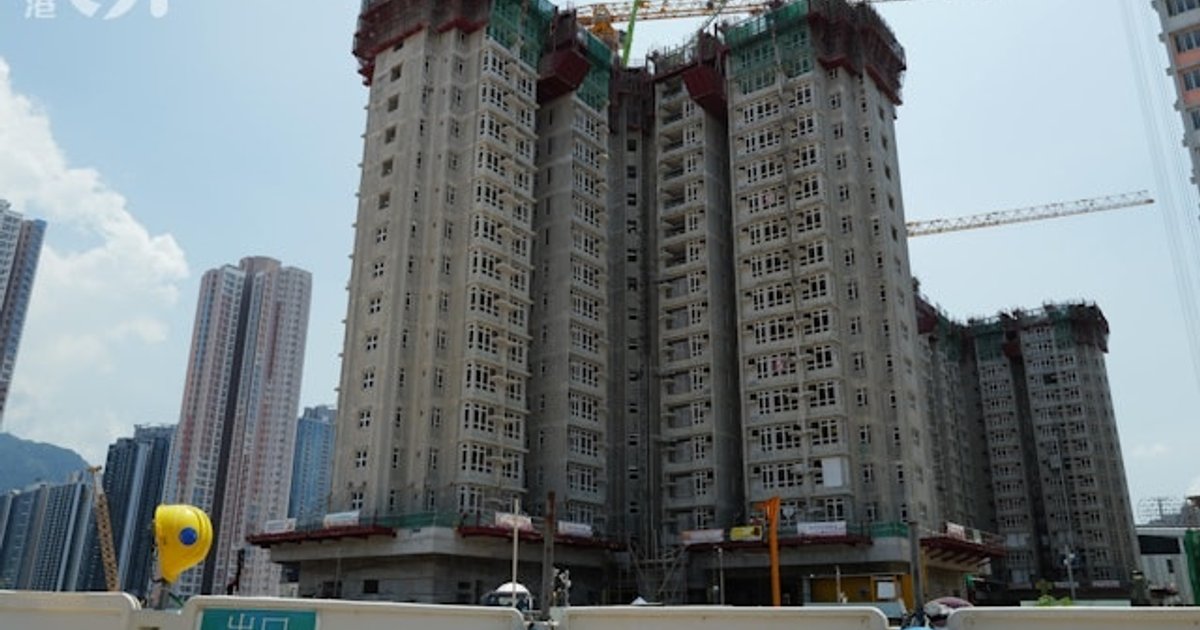
The Housing Bureau confirmed on September 3 that its Independent Checking Unit is investigating suspected unauthorised alteration works at Kai Ying Court, a new Home Ownership Scheme development in Kai Tak. Approximately 30 households across both towers are alleged to have removed prefabricated kitchen and bathroom walls during renovation. The Bureau conducted surprise inspections but found no structural walls had been removed so far. If violations of the Buildings Ordinance are confirmed, the Bureau will issue statutory orders requiring restoration and may prosecute persistent offenders.
Key Points
- Kai Ying Court comprises two towers with a total of 1,736 units, part of the HOS 2024 sale programme, with keys distributed starting from late July 2026
- Building specifications indicate all units use concrete prefabricated bathroom and kitchen modules, which should not be altered without professional assessment and government approval
- Resident Ms. Ho discovered the alleged alterations after observing disputes between management staff and renovation workers; she estimates nearly 30 households have removed kitchen or bathroom walls
- The Independent Checking Unit received complaints, conducted surprise inspections, and contacted the estate management company to collect information, finding no structural walls removed as of September 3
- Under the Buildings Ordinance, structural alterations require appointment of authorised persons and submission of building plans for approval before commencement of works
Why It Matters
This case tests the enforcement mechanisms for maintaining building safety in Hong Kong's subsidised housing programme. With 1,736 units now occupied, the Bureau's response will set a precedent for how strictly renovation rules will be enforced across similar developments, particularly those using innovative prefabricated construction methods where improper modifications could have disproportionate structural consequences .
This case tests the enforcement mechanisms for maintaining building safety in Hong Kong's subsidised housing programme. With 1,736 units now occupied, the Bureau's response will set a precedent for how strictly renovation rules will be enforced across similar developments, particularly those using innovative prefabricated construction methods where improper modifications could have disproportionate structural consequences .