Hong Kong Agent's Unconventional 'Haunted Apartment' Listing Goes Viral for Turning Defects into Selling Points
AM730 · 2 SOURCESabout 2 hours ago2 MIN
Summary
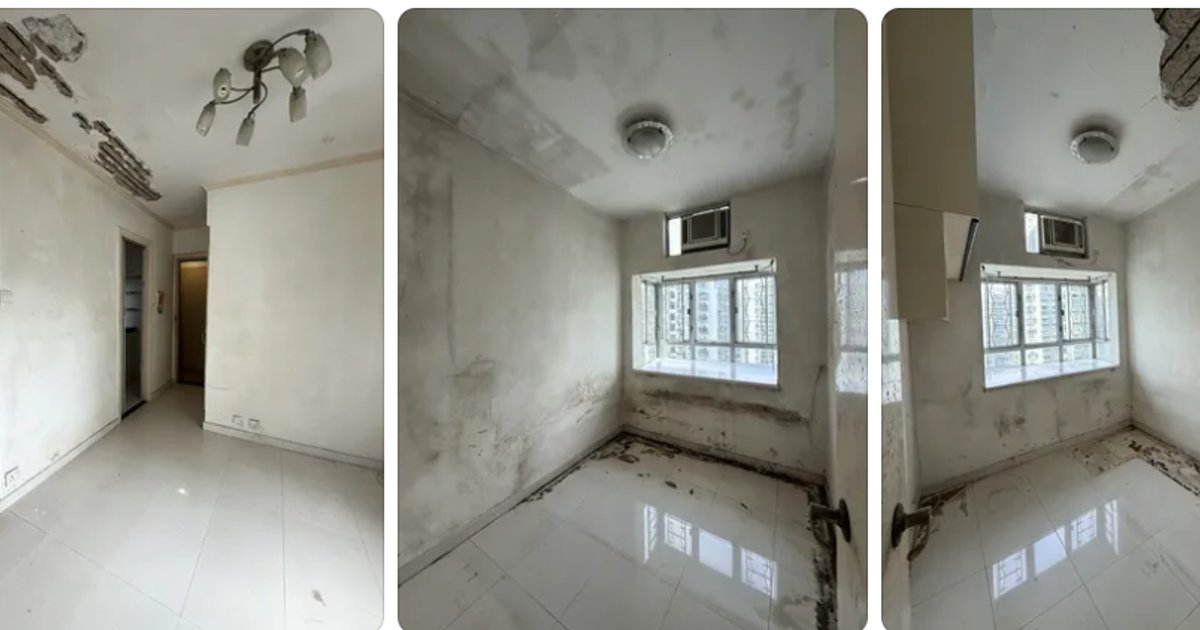
A Hong Kong real estate agent has ignited a social media frenzy with an unusually creative property listing. The agent posted on Threads last Saturday (June 22) showcasing a haunted apartment in City One, Sha Tin, that had previously been the site of a suicide incident. Instead of downplaying the unit's flaws, the agent deliberately reframed them as distinctive selling points, using artistic terminology to describe what most would consider serious structural problems.
Key Points
- The haunted unit is located in City One (City One, Sha Tin), described as the 'cheapest unit in the entire estate'
- Photos reveal extensive mold on the walls, exposed rebar from ceiling peeling, and persistent water leakage issues throughout the property
- The agent employed creative marketing language: moldy walls became 'mold totem wall, camouflage-style natural patterns'; exposed rebar was termed 'brutalist architectural aesthetics'; and water leakage was marketed as 'free white noise SPA'
- The agent confidently stated that 'even ghosts would leave after touring the unit,' suggesting supernatural concerns were unfounded
- The listing specifically targeted Christians and those with 'no taboos' as the ideal buyer demographics
- Netizens responded with humor, with comments like 'I would abandon my faith before buying this' and 'even an exorcist would drop two Buddhist beads upon entering'
Why It Matters
This incident highlights the growing creativity—and sometimes desperation—in Hong Kong's competitive property market, where agents must find increasingly inventive ways to attract buyers to stigmatized properties. The viral response demonstrates how unconventional marketing tactics can generate significant public engagement, though they may also raise ethical questions about the promotion of properties associated with tragic events.
This incident highlights the growing creativity—and sometimes desperation—in Hong Kong's competitive property market, where agents must find increasingly inventive ways to attract buyers to stigmatized properties. The viral response demonstrates how unconventional marketing tactics can generate significant public engagement, though they may also raise ethical questions about the promotion of properties associated with tragic events.