HYBE's Weverse Con Festival Faces Backlash Over First-Ever India Event Amid Safety Concerns
SingTao · 1 SOURCES1 day ago2 MIN
Summary
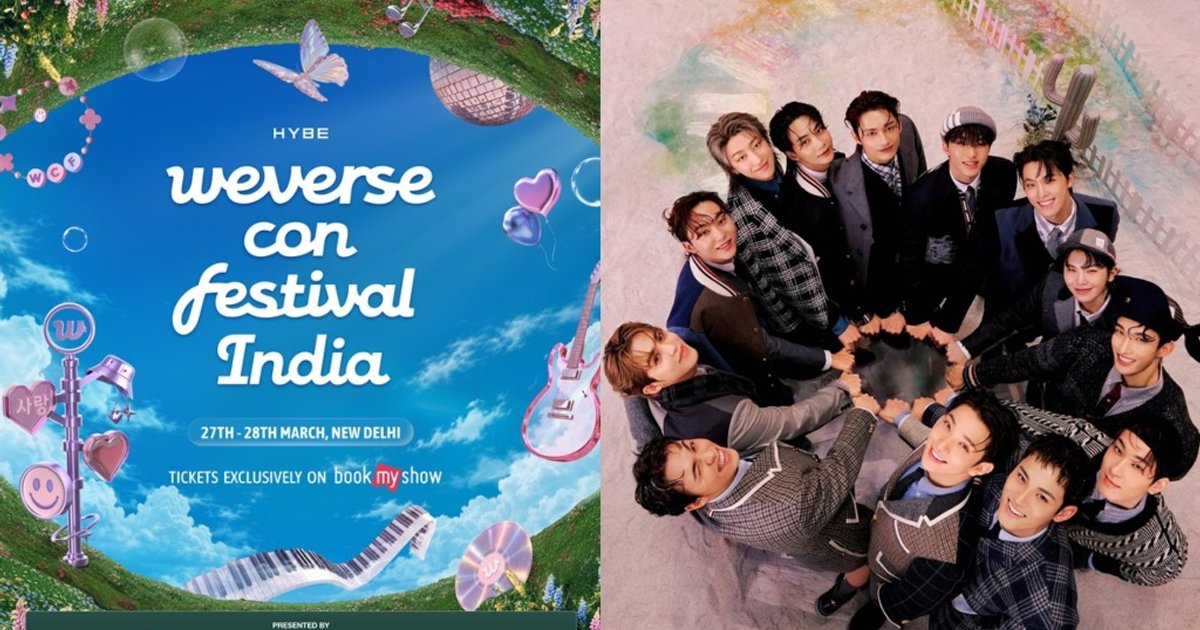
HYBE Entertainment, the South Korean entertainment conglomerate home to some of the world's most popular K-pop acts, unveiled plans on October 7, 2026, to hold its annual Weverse Con Festival in India for the first time . The two-day event is slated for March 27 and 28, 2027, at a venue in New Delhi, marking a strategic expansion into the vast Indian market with its massive population base . However, the announcement has triggered widespread criticism from international K-pop fans, who have flooded social media platforms like Threads with objections centered on safety and sanitation concerns .
Key Points
- HYBE Entertainment confirmed Weverse Con Festival will debut in India on March 27-28, 2027, at New Delhi venues
- The event features artists including BTS, SEVENTEEN, LE SSERAFIM, TOMORROW X TOGETHER (TXT), ENHYPEN, and BOYNEXTDOOR
- Online backlash has been severe, with fans citing women's safety risks and hygiene issues as primary concerns
- One viral comment stated fans would not attend even if all SEVENTEEN members performed, prioritizing personal safety
- Fans referenced prior incidents involving YouTubers who faced dangerous situations while traveling in India
Why It Matters
This controversy highlights the growing tension between K-pop companies' aggressive global expansion strategies and fan expectations for safe, comfortable concert experiences. HYBE's move into emerging markets represents a calculated risk as the company seeks new revenue streams beyond saturated East Asian markets. The backlash also underscores the significant influence today's K-pop fandom wields over artist activities and corporate decision-making through coordinated social media campaigns.
This controversy highlights the growing tension between K-pop companies' aggressive global expansion strategies and fan expectations for safe, comfortable concert experiences. HYBE's move into emerging markets represents a calculated risk as the company seeks new revenue streams beyond saturated East Asian markets. The backlash also underscores the significant influence today's K-pop fandom wields over artist activities and corporate decision-making through coordinated social media campaigns.