Iran sanctions will likely backfire, expert warns in exclusive interview
SCMP · 1 SOURCESabout 2 hours ago2 MIN
Summary
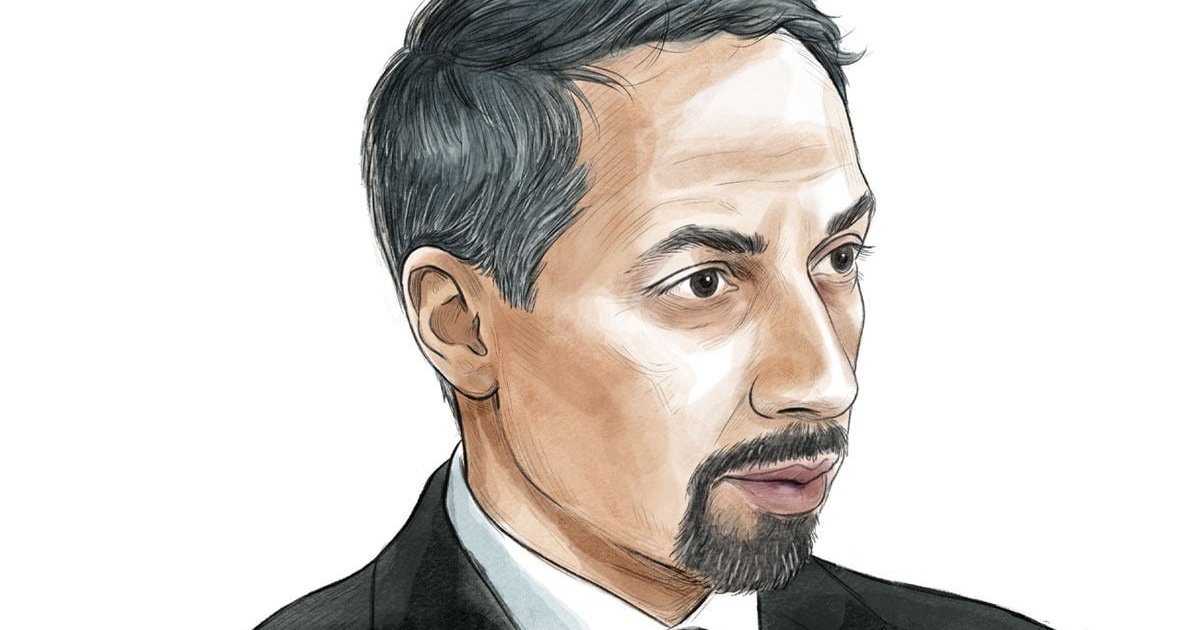
Trita Parsi, an expert on US-Iranian relations at the Quincy Institute, warns that President Donald Trump's "economic D-Day" sanctions on Iran are likely to backfire. In an exclusive interview with the South China Morning Post, Parsi argues that Iran fears capitulation far more than escalation, suggesting the sanctions will either prove ineffective or provoke counter-escalation rather than compliance. With US Treasury Secretary Scott Bessent failing to articulate specific demands, Tehran will likely view the measures as an attempt to force surrender, perpetuating the cycle of escalation rather than resolving the underlying tensions.
Key Points
- Trita Parsi is co-founder and executive vice-president of the Quincy Institute, a Washington-based think tank
- Parsi is an expert on US-Iranian relations, Iranian foreign policy, and Middle East geopolitics with four published books on the subject
- Born in Iran, Parsi moved to Sweden as a child and later relocated to the United States as an adult
- Trump's "D-Day" sanctions target mainland Chinese and Hong Kong companies under secondary sanctions measures
- Parsi states Iran interprets the lack of clear US demands as an effort to force its surrender
Why It Matters
The trajectory of US-Iran tensions directly affects global energy markets and shipping routes, including the Strait of Hormuz through which roughly one-fifth of the world's oil passes. For Hong Kong, implications extend to companies potentially caught in secondary sanctions and broader regional stability affecting trade flows in Asia-Pacific .
The trajectory of US-Iran tensions directly affects global energy markets and shipping routes, including the Strait of Hormuz through which roughly one-fifth of the world's oil passes. For Hong Kong, implications extend to companies potentially caught in secondary sanctions and broader regional stability affecting trade flows in Asia-Pacific .