Margaret Chan elected WHO chief, first Chinese to lead UN agency
SCMP · 1 SOURCESabout 4 hours ago2 MIN
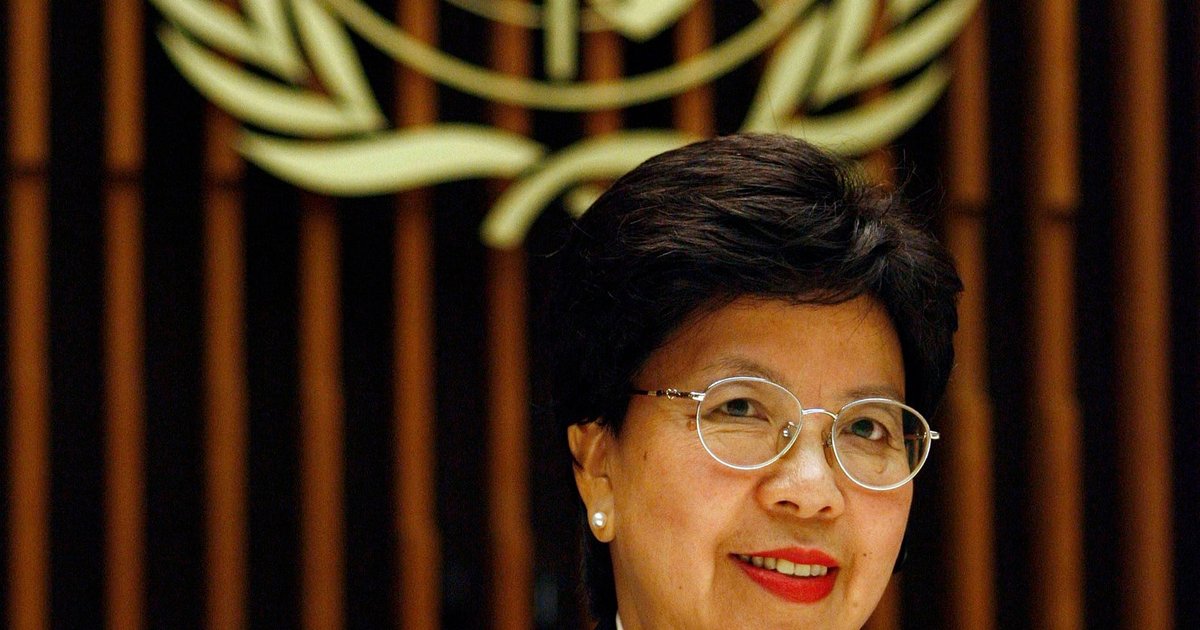
Summary
On November 8, 2006, Hong Kong's former Director of Health Margaret Chan Fung Fu-chun was elected as the World Health Organization director-general, becoming the first Chinese person to lead a UN specialized agency. She secured a commanding victory in four rounds of voting, receiving 24 votes in the final round against 10 for Mexico's Julio Frenk. Her nomination was proposed by China and received support from the United States. Dr. Chan is expected to be endorsed by the 193-member World Health Assembly on November 9, 2006, and will serve until June 30, 2012.
Key Points
- Margaret Chan Fung Fu-chun was nominated WHO director-general on November 8, 2006, in a decisive four-round electoral victory
- She received 24 votes against Mexico's Julio Frenk's 10 votes in the final round, two days after emerging as the top candidate from a shortlist of five
- Her candidacy was proposed by China, which provided strong support throughout her campaign, and the United States also revealed its backing for her nomination
- She became the first Chinese to lead a UN agency and the first person from Hong Kong to head any major international organization
- She will succeed Lee Jong-wook of South Korea, who died in May 2006, beginning her term on January 4, 2007, with an annual salary of nearly US$218,000
- Dr. Chan overcame criticism of her handling of the SARS crisis in 2003 to achieve this meteoric rise within the UN health agency
Why It Matters
The election of a Hong Kong official to lead the WHO signals China's growing influence in international institutions, while also highlighting the international community's recognition of Hong Kong's public health expertise. This breakthrough represents a historic moment for representation in UN leadership and could shape global health policy priorities under Chinese-affiliated leadership.
The election of a Hong Kong official to lead the WHO signals China's growing influence in international institutions, while also highlighting the international community's recognition of Hong Kong's public health expertise. This breakthrough represents a historic moment for representation in UN leadership and could shape global health policy priorities under Chinese-affiliated leadership.