Tin Shui Wai Residents and Cleaners Recycle 4.6 Million Plastic Bottles
On.cc · 1 SOURCESabout 3 hours ago2 MIN
Summary
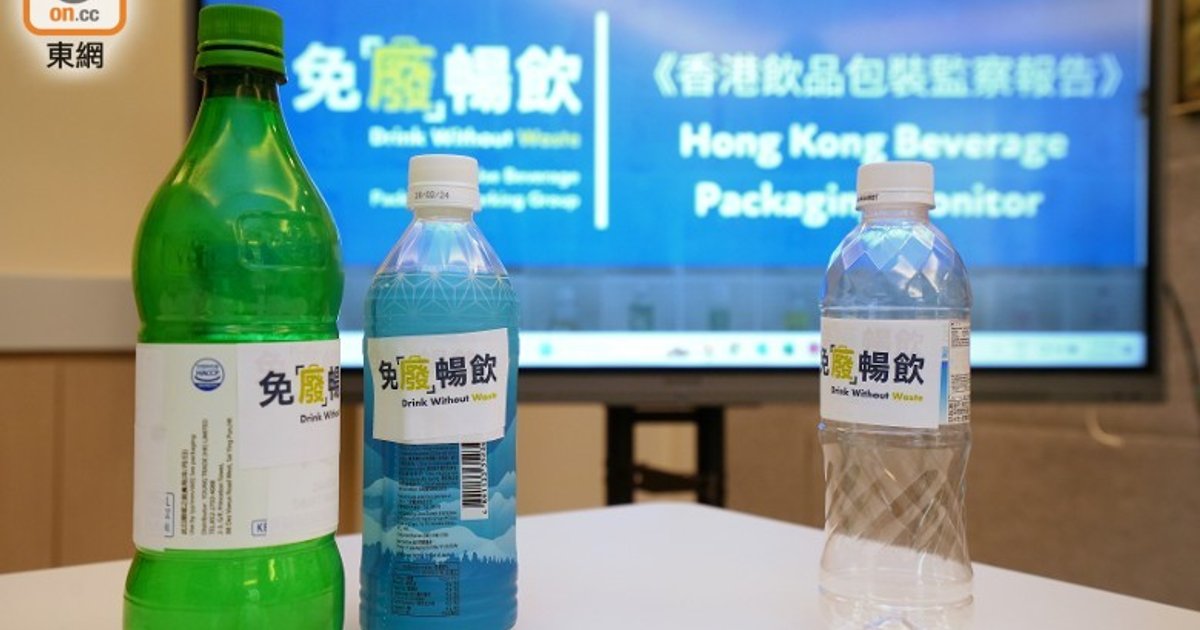
A recycling initiative in Tin Shui Wai has achieved remarkable results, with residents and cleaning workers across 18 public and private housing estates collectively recycling over 4.6 million beverage plastic bottles last year. The program, organized by the Zero Waste Drinking Working Group, relied on frontline cleaning staff to sort and collect used plastic bottles into designated blue bags. Each cleaner received HK$0.1 per bottle loaded directly onto their Octopus cards, with the entire operational cost remaining under HK$0.2 per bottle. The collected materials were transported to Plastic Resources Limited at the EcoPark for processing into new products.
Key Points
- The Tin Shui Wai pilot program involved 18 public housing estates and private residential complexes, which together recycled over 117 tonnes or 4.6 million beverage plastic bottles
- Cleaning workers sorted collected bottles into transparent blue bags, receiving HK$0.1 per bottle as a direct Octopus card reward
- Total program operational costs, including cleaner incentives, averaged less than HK$0.2 per bottle collected
- All collected plastic bottles were sent to Plastic Resources Limited at the EcoPark for recycling into new products
- Since its inception, the Zero Waste Drinking initiative has diverted over 67 million beverage plastic bottles from landfills through similar property-based programs
Why It Matters
The success of this community-based recycling model demonstrates how engaging frontline cleaning workers can significantly boost plastic recovery rates at minimal cost. As Hong Kong prepares to implement the Producer Responsibility Scheme for plastic beverage containers, this grassroots approach could serve as a scalable template for expanding the territory's recycling infrastructure and meeting waste reduction targets.
The success of this community-based recycling model demonstrates how engaging frontline cleaning workers can significantly boost plastic recovery rates at minimal cost. As Hong Kong prepares to implement the Producer Responsibility Scheme for plastic beverage containers, this grassroots approach could serve as a scalable template for expanding the territory's recycling infrastructure and meeting waste reduction targets.