Transport Chief Inspects Huanggang Border as Immigration Authority Braces for Return Peak
SingTao · 7 SOURCESabout 2 hours ago5 MIN
Summary
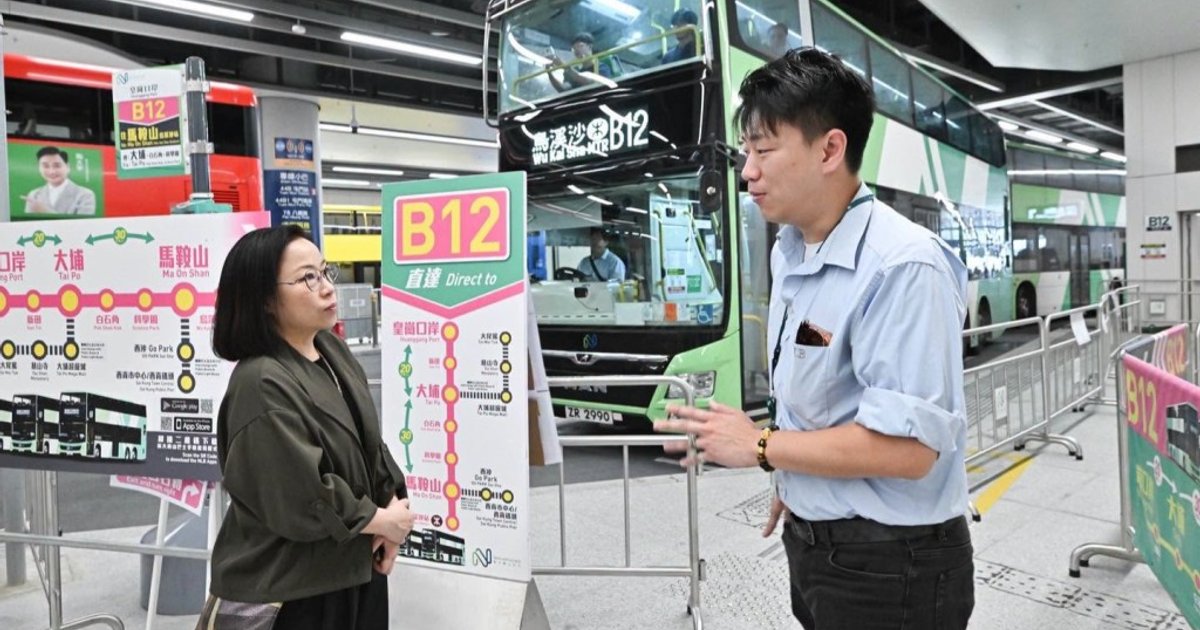
Transport Department Commissioner Tse Wing-yee (謝詠誼) conducted an on-site inspection of the new Huanggang Border Crossing on Monday morning, overseeing special traffic and public transport arrangements to handle the post-Chung Yeung Festival return rush. The inspection followed Sunday's unprecedented surge that saw 152,000 passenger movements through the crossing—the highest since its reopening—with peak hourly departures nearly nine times higher than previous years during the same period. Immigration authorities are urging eligible travelers to pre-register for the cooperative inspection e-channel as they anticipate an afternoon-to-evening return peak on Monday.
Key Points
- Commissioner Tse Wing-yee inspected the new Huanggang Border Crossing on Monday morning, reviewing preparations for the first major holiday return peak
- Sunday's Chung Yeung Festival holiday recorded 152,000 total passenger movements, with peak hourly departures nearly 9 times higher than previous years
- Approximately 120 franchised buses, 40 public light buses, and 130 cross-border buses are deployed with reserves on standby
- During peak hours, franchised buses operate at 2-3 minute intervals, while minibuses and cross-border buses run every 3-4 minutes
- Immigration Department expects the return peak from afternoon to evening on Monday
- Eligible travelers are urged to pre-register for the cooperative inspection e-channel via the Hong Kong e-Channel mobile app
Why It Matters
The new Huanggang Border Crossing's ability to handle this holiday return surge will set a precedent for managing future mass movements at Hong Kong's northern boundary, with hundreds of thousands of cross-border travelers depending on efficient coordination between transport and immigration authorities .
The new Huanggang Border Crossing's ability to handle this holiday return surge will set a precedent for managing future mass movements at Hong Kong's northern boundary, with hundreds of thousands of cross-border travelers depending on efficient coordination between transport and immigration authorities .