Hong Kong Cracks Down on Illegal Japanese Painkillers, Medical Experts Warn No 'Miracle Drug' Exists
HK01 · 1 SOURCESabout 15 hours ago2 MIN
Summary
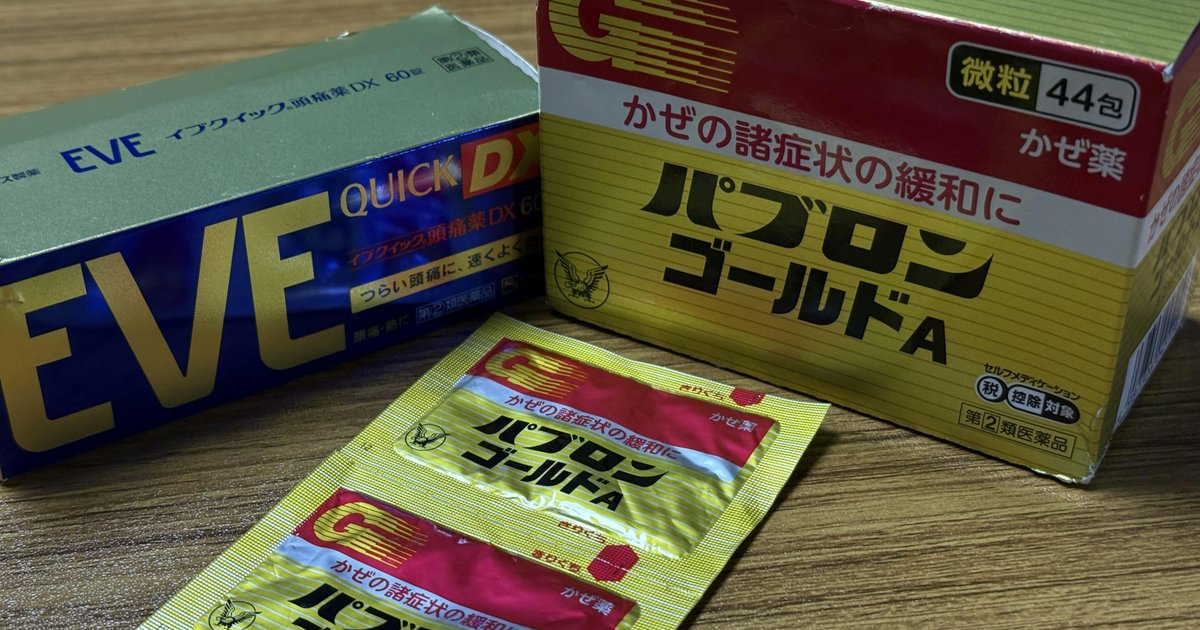
Hong Kong's Department of Health conducted surprise inspections across multiple districts, seizing over 240 boxes of suspected unregistered pharmaceutical products labeled in Japanese. Medical experts and legislators are calling for stricter penalties, including permanent license revocation and potential drug trafficking charges, while reassuring the public that locally available medications contain the same active ingredients .
Key Points
- Health officials seized approximately 100 boxes of suspected unregistered painkillers from one licensed pharmacy, one medicine shop, and two retail stores in Tsim Sha Tsui, Causeway Bay, Sheung Shui, and Yuen Long on Wednesday .
- A follow-up operation on Thursday in Tsim Sha Tsui and Mong Kok recovered over 140 additional boxes of the same unregistered products from three shops .
- The seized products contain ibuprofen and dihydrocodeine, a morphine-class substance frequently abused by drug users, with no Hong Kong registration numbers printed on packaging .
- Legislative Council medical representative David Lam Tzit-yuen described the 20-year problem as "bad apples in a big tree" and proposed permanent license revocation for pharmacists and pharmacy registrants .
- Hospital Pharmacists Association president So Yiu-wa stated local pharmacies can legally sell medications with identical ingredients under pharmacist supervision, urging citizens not to seek Japanese brands specifically .
Why It Matters
The persistent illegal trade in unregistered medications reflects both regulatory gaps and public misconceptions about foreign pharmaceuticals. Strengthening enforcement and education is essential to prevent serious health consequences from unsupervised use of potent drugs like dihydrocodeine, which carries risks of abuse and life-threatening side effects .
The persistent illegal trade in unregistered medications reflects both regulatory gaps and public misconceptions about foreign pharmaceuticals. Strengthening enforcement and education is essential to prevent serious health consequences from unsupervised use of potent drugs like dihydrocodeine, which carries risks of abuse and life-threatening side effects .