Hiking Water Stations Cut Plastic Use but Remote Expansion Costly
SingTao · 1 SOURCESabout 9 hours ago2 MIN
Summary
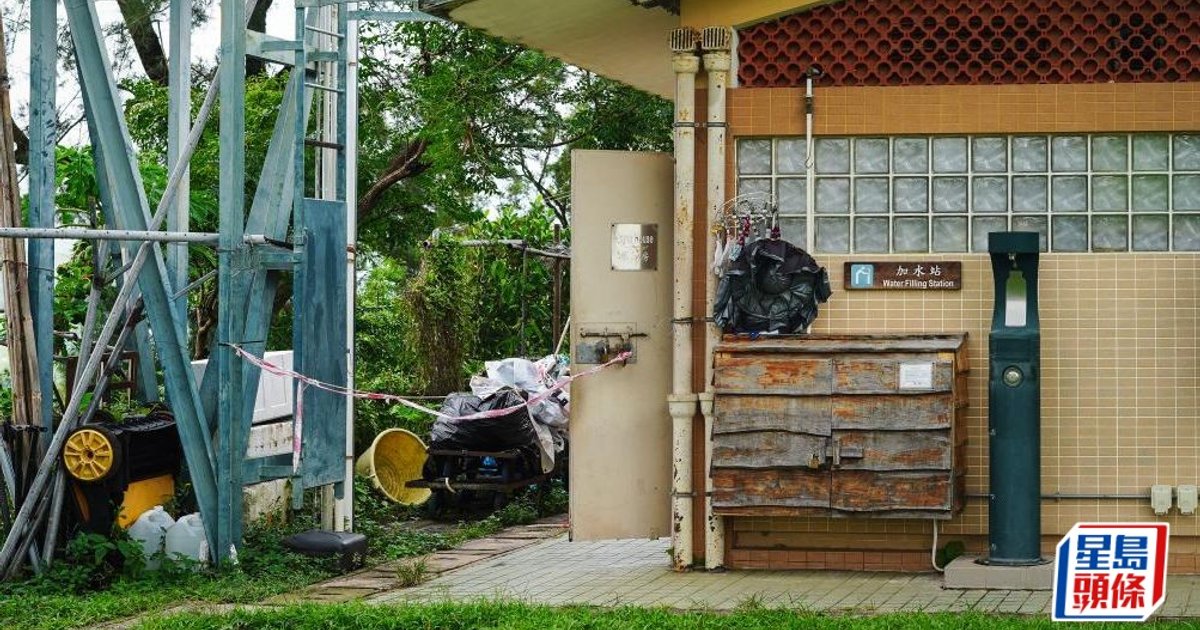
The government's push for hiking tourism has led to 37 water refilling stations in country parks, helping reduce disposable plastic bottles and heatstroke risks. Yet expansion to remote trails is complicated by high infrastructure costs, while experts call for better public education on hiking safety as unprepared hikers continue to face danger .
Key Points
- 37 water stations operate across Hong Kong's country parks, equipped with UV disinfection and water chilling systems requiring stable electricity supply .
- Coach Leung Nim-ho warns hikers should not over-rely on stations, as they don't cover all routes and may run dry during peak periods .
- Coach Chiu Sin-sze notes stations greatly aid outdoor training courses, but some campers misuse water for washing hair and cleaning, straining facilities .
- Engineer Ho Wing-ip explains remote trail stations need extensive piping and 11,000-volt power lines with transformers, making costs prohibitive .
- Rescue group founder Anson reports hikers often carry only minimal water, like one woman with just a small bottle who exhausted her supply at Tai Lam's Thousand Islands viewpoint .
- Police recorded 1,556 mountain rescue cases from last year to June 2024, with at least 13 heatstroke helicopter rescues this year and one death .
Why It Matters
As extreme weather becomes more frequent, the gap between hiking infrastructure and public preparedness poses growing safety risks that education and strategic facility expansion must address .
As extreme weather becomes more frequent, the gap between hiking infrastructure and public preparedness poses growing safety risks that education and strategic facility expansion must address .