Hong Kong Chinese Restaurants Roll Out 22 New Menus
SingTao · 1 SOURCESabout 2 hours ago2 MIN
Summary
Hong Kong’s Chinese dining scene has recently seen a wave of new menus spanning traditional regional cooking and more contemporary interpretations. The 22-restaurant selection highlighted by SingTao includes Chiu Chow, Ningbo and Cantonese venues, as well as hotel dining rooms and long-established local brands introducing seasonal, nostalgic or tea-focused offerings. Among the most notable launches are a seasonal “Start of Autumn” banquet at Michelin-starred Yong Fu, a Taiwanese oolong tea pairing menu at Lai Ching Heen, and a nostalgia-led Cantonese menu at Ying Jee Club. The roundup also points to renewed interest in heritage techniques, premium ingredients and cross-cultural presentation in Hong Kong Chinese cuisine
Key Points
- Chiu Chow restaurants Chao Ting and Chao Kong Chun introduced menus led by a Chaoshan chef with 30 years’ experience, focusing on ingredient purity and precise seasoning
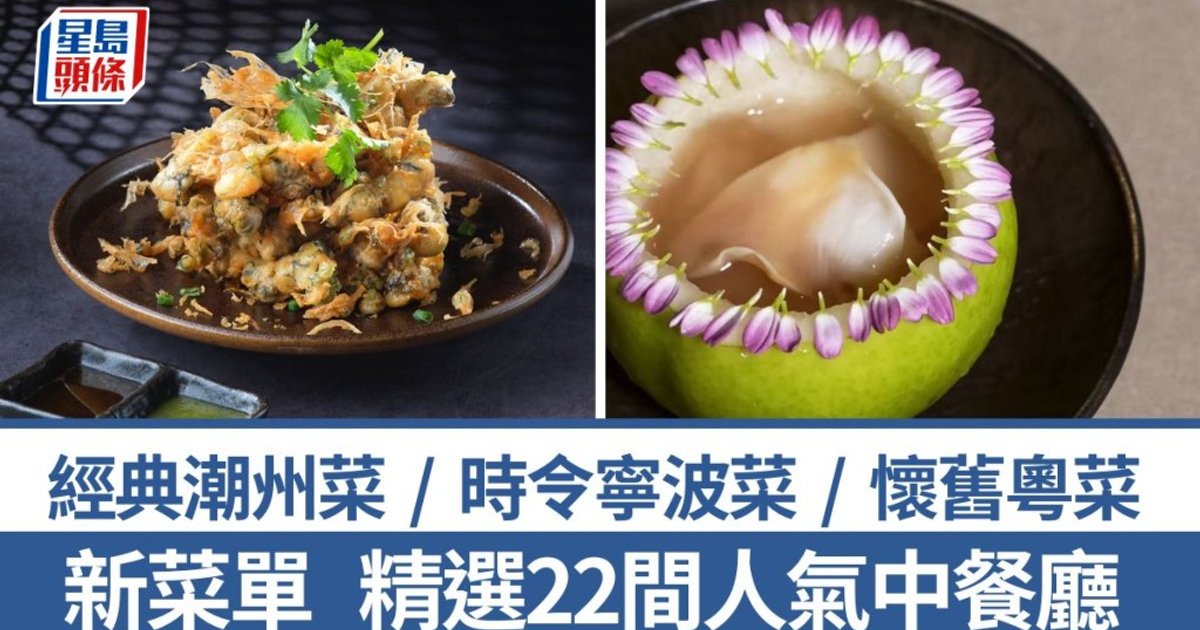
- Signature Chiu Chow dishes include marinated lion-head goose in 20-year brine, braised sea cucumber with softshell turtle skirt, oyster pancake and hand-beaten fish balls
- Michelin one-star Yong Fu launched its “Start of Autumn Banquet” at HK$2,888 per person for a minimum of four, available until September 9
- Michelin two-star Lai Ching Heen is serving a six-course Taiwanese oolong tea banquet at HK$1,488 per person through October 4, with tea curator Chang Shu-han
- Ying Jee Club and modern Cantonese restaurant The Legacy of “Chi” both turned to classic Cantonese references, one through nostalgia and the other through Western-influenced reinvention
Why It Matters
For Hong Kong diners, the latest menu launches widen the range of Chinese dining beyond standard banquet fare, offering more seasonal, regional and chef-driven experiences. They also show how established restaurants are using heritage recipes, premium sourcing and new presentation styles to compete in a crowded market while keeping Chinese culinary traditions visible and commercially relevant