Udon Sodium Levels Vary 11-Fold; Dietitian Recommends 12 Low-Sodium Options
SingTao · 1 SOURCESabout 3 hours ago3 MIN
Summary
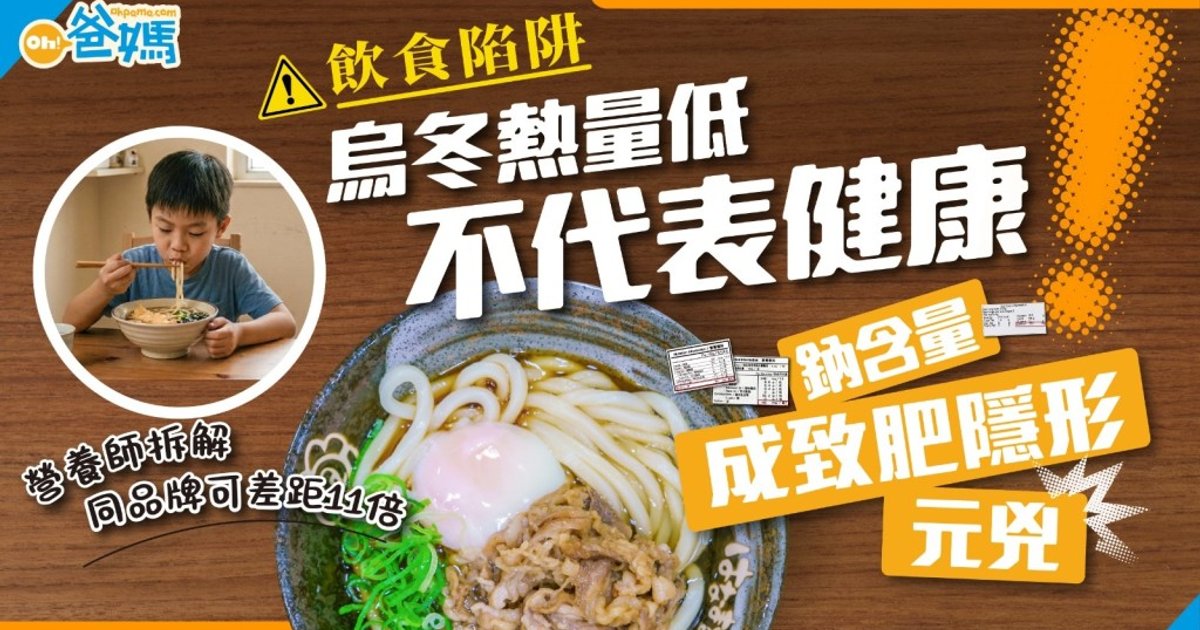
A comprehensive analysis of udon products available in Hong Kong supermarkets reveals significant sodium content disparities between varieties of the same brand, raising health alarms for busy parents seeking convenient yet nutritious meal options for their children. The investigation, published Monday by SingTao, found that Royal brand's two Shikoku-style udon products differ by nearly 11 times in sodium levels, with the higher-sodium option delivering close to the adult daily recommended limit in a single 200-gram serving. Registered dietitian Gloria Leung, a graduate of the University of Hong Kong and the University of Sydney, advises families to scrutinize nutrition labels carefully and consider switching to lower-sodium alternatives to prevent potential health complications including water retention, elevated blood pressure, and cardiovascular strain.
Key Points
- Royal brand's Shikoku Sanuki Udon contains 961mg sodium per 100g, while its regular Sanuki Udon contains only 90mg per 100g, representing a 10.7-fold difference
- A 200-gram packet of the high-sodium udon provides 1,922mg sodium, nearly reaching the adult daily recommended limit of 2,000mg
- Even the same brand shows regional variation: Doichi udon's Japanese version has 276mg sodium per 100g versus 35mg per 100g for the Hong Kong version
- Health risks from excessive sodium include water retention, high blood pressure, cardiovascular disease, kidney dysfunction, and increased gastric cancer risk
- Shimadaya reduced-carb udon offers 11.5g dietary fiber per 180g serving (equivalent to two bowls of broccoli) with only 120mg sodium
- A single 200-250g udon packet contains calories comparable to one to two bowls of rice, warranting portion control for weight management
- Dietitians recommend pairing udon with high-fiber vegetables and quality protein sources such as eggs, lean meat, or seafood for balanced nutrition
Why It Matters
This finding is particularly significant for Hong Kong families, where childhood obesity and hypertension rates continue to rise. With many parents relying on udon as a quick meal solution for children, the stark variation in sodium content means that a simple product swap could substantially reduce daily sodium intake without sacrificing convenience. The Centre for Food Safety's sodium benchmarks provide a clear framework for families to make informed choices, potentially lowering children's risk of developing diet-related chronic diseases later in life.
This finding is particularly significant for Hong Kong families, where childhood obesity and hypertension rates continue to rise. With many parents relying on udon as a quick meal solution for children, the stark variation in sodium content means that a simple product swap could substantially reduce daily sodium intake without sacrificing convenience. The Centre for Food Safety's sodium benchmarks provide a clear framework for families to make informed choices, potentially lowering children's risk of developing diet-related chronic diseases later in life.