Woman Forced to Sit Next to Man Masturbating on United Flight, Airline Response Sparks Outrage
AM730 · 1 SOURCESabout 4 hours ago2 MIN
Summary
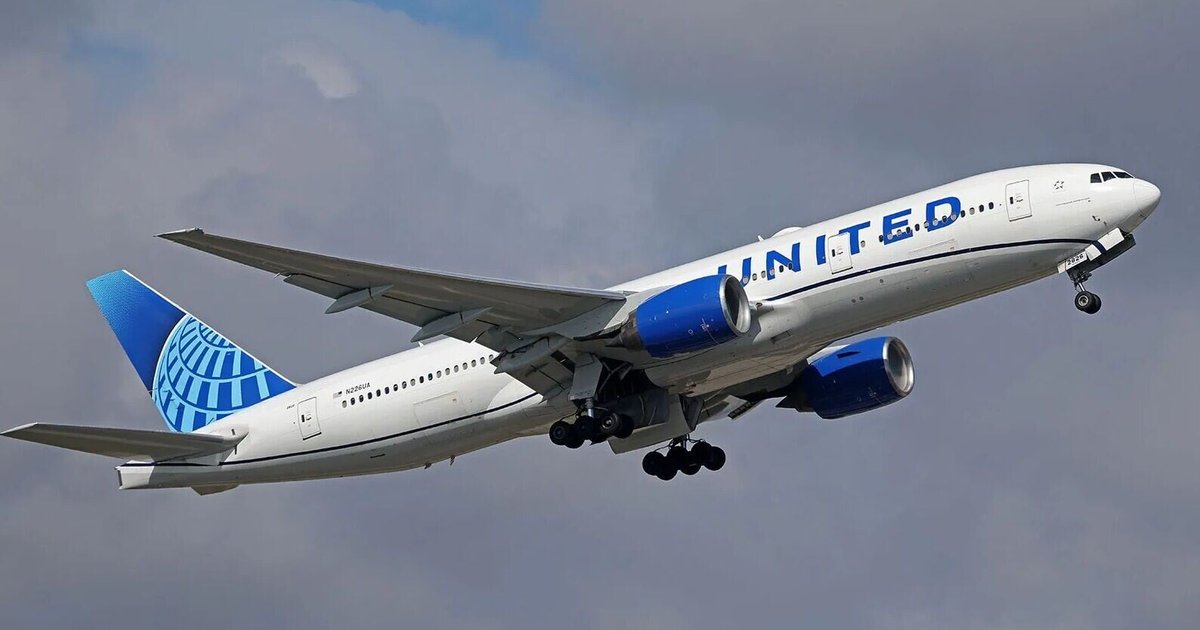
A 25-year-old American woman experienced a deeply disturbing incident aboard a United Airlines flight when the male passenger seated beside her began masturbating. The woman immediately reported the behavior to flight attendants, who permitted her to stand in the aisle for approximately one hour. However, as the plane prepared for landing, she was told no other seats were available and had to return to her original seat next to the perpetrator. The man left the aircraft without any consequences. United Airlines' official response described the incident as "conduct that made you feel uncomfortable," prompting further criticism.
Key Points
- The incident occurred on a United Airlines flight traveling from Rochester, New York to Newark, New Jersey
- The woman described the male passenger as appearing "normal and ordinary," estimating his age at 35 to 40 years
- She noted the man "was likely not doing this for the first time" and that "normal people wouldn't do this at 6am"
- After the flight, she filed formal complaints with United Airlines, the Federal Aviation Administration, and the FBI
- United Airlines offered her only a $100 flight credit (approximately HK$784), despite her ticket costing around $400 (approximately HK$3,137)
Why It Matters
This incident exposes significant gaps in airline protocols for handling sexual harassment and assault aboard aircraft. The passenger's experience highlights how victims can be left without adequate protection when reporting inappropriate behavior, potentially creating a culture of impunity. The case raises questions about airline responsibility for passenger safety and the adequacy of Federal Aviation Administration guidelines regarding in-flight misconduct.
This incident exposes significant gaps in airline protocols for handling sexual harassment and assault aboard aircraft. The passenger's experience highlights how victims can be left without adequate protection when reporting inappropriate behavior, potentially creating a culture of impunity. The case raises questions about airline responsibility for passenger safety and the adequacy of Federal Aviation Administration guidelines regarding in-flight misconduct.