Germany Plans New Tariffs on Chinese Hybrid EVs, Stricter Export Controls
On.cc · 2 SOURCESabout 3 hours ago2 MIN
Summary
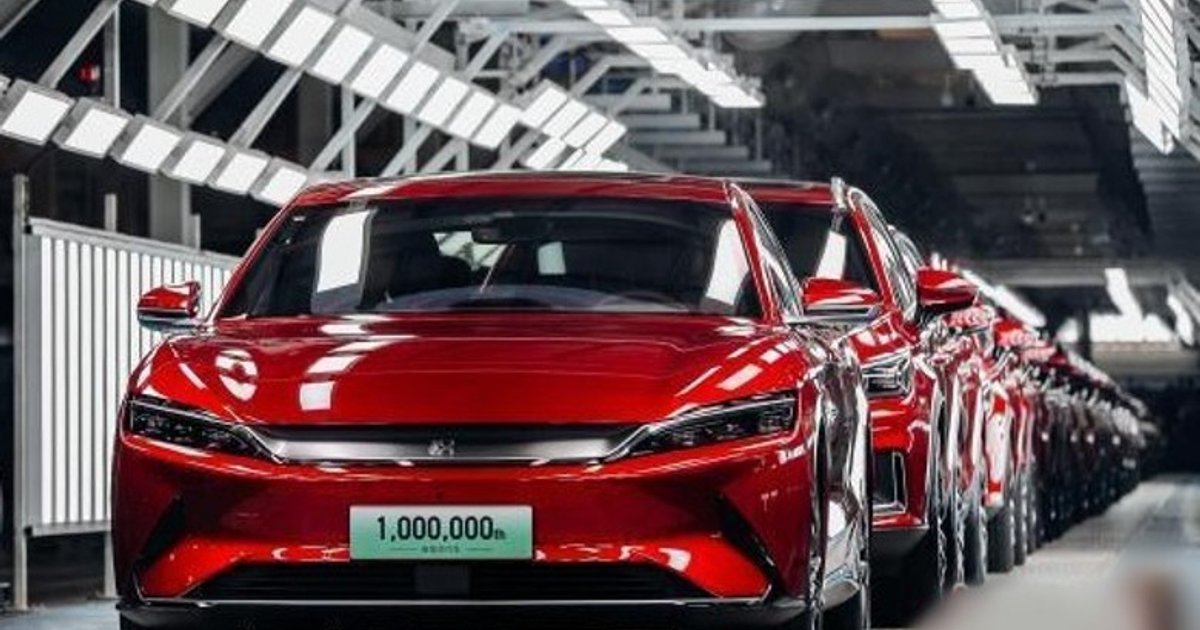
Germany is preparing a sweeping set of economic security measures aimed at protecting strategic industries from Chinese competition, according to reports on Monday citing unnamed sources familiar with the matter . The measures, being coordinated by multiple government departments, include the possibility of imposing new tariffs on Chinese hybrid electric vehicles and tightening controls on exports of advanced technologies .
Key Points
- German Chancellor Olaf Scholz is seeking cabinet approval for the economic security package by October 14, with plans to then rally broader EU support .
- Potential measures include new tariffs on hybrid vehicles, mandatory joint venture requirements, enhanced investment screening, and export controls covering advanced AI and semiconductor equipment .
- Berlin and Paris are finalizing a joint position paper that would form the basis for EU-level measures, to be presented at a summit in Brussels next month .
- Some German officials want to establish a system to review and potentially restrict German corporate investment in China in sensitive sectors like semiconductors and AI .
- Germany plans to adjust industrial support policies, including seeking alternative sources for critical raw materials, with tungsten—a metal highly dependent on Chinese supply—expected to receive attention .
Why It Matters
These measures signal a significant hardening of Germany's China policy and could reshape European trade relations with Beijing . If implemented, the new tariffs on Chinese hybrid vehicles would add to existing EU investigations, potentially affecting Chinese EV manufacturers' access to European markets . The coordinated approach with France suggests a broader Western trend toward economic decoupling from China in strategically sensitive sectors .
These measures signal a significant hardening of Germany's China policy and could reshape European trade relations with Beijing . If implemented, the new tariffs on Chinese hybrid vehicles would add to existing EU investigations, potentially affecting Chinese EV manufacturers' access to European markets . The coordinated approach with France suggests a broader Western trend toward economic decoupling from China in strategically sensitive sectors .