China's UN Deputy Envoy Rebukes Six Western Nations for Human Rights Criticism
Crhk · 2 SOURCESabout 3 hours ago2 MIN
Summary
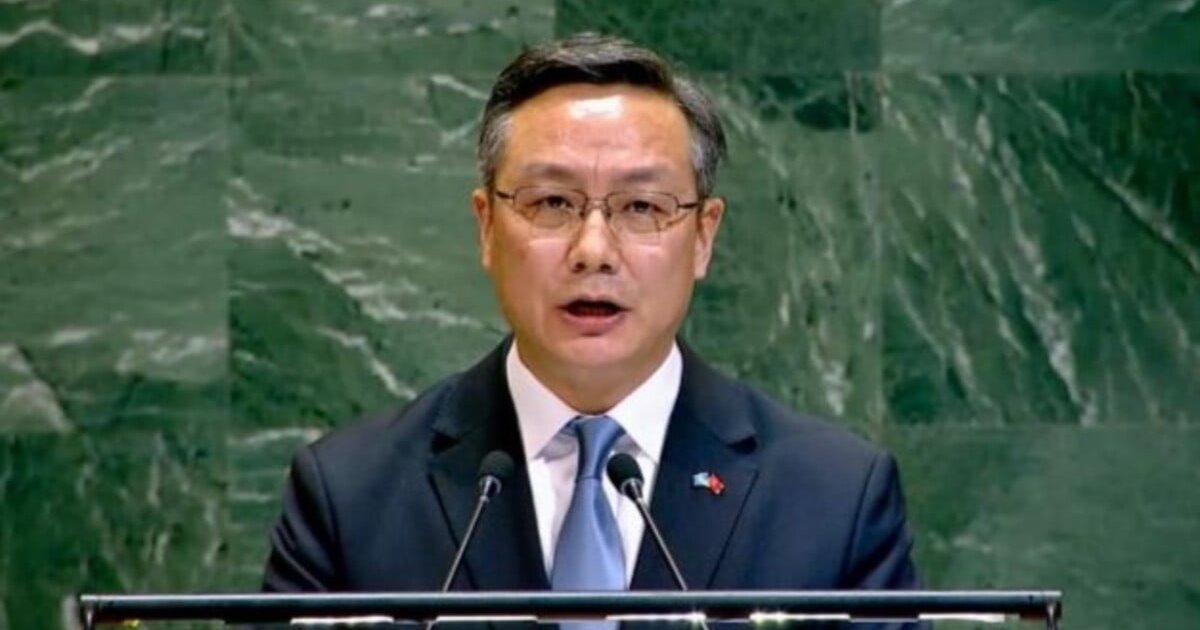
China's Permanent Deputy Representative to the United Nations Ambassador Sun Lei delivered a scathing rebuke on October 5, 2026, at the 81st UN General Assembly Third Committee General Debate, directly challenging representatives from six Western nations over their criticism of China's human rights record. Sun named and condemned the United Kingdom, Australia, Japan, Ireland, the Czech Republic, and Lithuania, accusing them of maliciously defaming China's human rights situation and using the issue for political manipulation . The Chinese envoy dismissed these nations as self-righteous "human rights teachers" who lack the standing to criticize China given their own domestic human rights shortcomings .
Key Points
- Chinese Permanent Deputy Representative to the UN Sun Lei addressed the 81st UN General Assembly Third Committee General Debate on October 5 (local time)
- Sun directly named six countries—the United Kingdom, Australia, Japan, Ireland, the Czech Republic, and Lithuania—for maliciously defaming China's human rights record
- The Chinese envoy accused these Western nations of acting as self-appointed "human rights teachers" despite having prominent domestic human rights problems themselves
- Sun warned that these countries remain indifferent to injustices suffered by peoples in Palestine, Iran, and Cuba while repeatedly using human rights as a pretext to interfere in other nations' internal affairs
- The Chinese representative emphasized that support and satisfaction rates for the Chinese government have exceeded 90 percent over many years, and defended Hong Kong's national security legislation as initiating a historic transition from chaos to governance and prosperity
Why It Matters
The confrontation at the United Nations highlights the ongoing tensions between China and Western nations over human rights discourse and sovereignty issues . This exchange demonstrates Beijing's increasingly assertive diplomatic posture in international forums, where it actively counters criticism by framing Western nations as hypocritical and self-serving . For Hong Kong readers, the defense of the national security law underscores its central role in China's official narrative, presenting it as a stabilizing force that has received broad support from Hong Kong society .
The confrontation at the United Nations highlights the ongoing tensions between China and Western nations over human rights discourse and sovereignty issues . This exchange demonstrates Beijing's increasingly assertive diplomatic posture in international forums, where it actively counters criticism by framing Western nations as hypocritical and self-serving . For Hong Kong readers, the defense of the national security law underscores its central role in China's official narrative, presenting it as a stabilizing force that has received broad support from Hong Kong society .