Hong Kong's First Five-Year Plan Targets 1-3% Sustainable Aviation Fuel Use by 2030
SingTao · 2 SOURCESabout 2 hours ago2 MIN
Summary
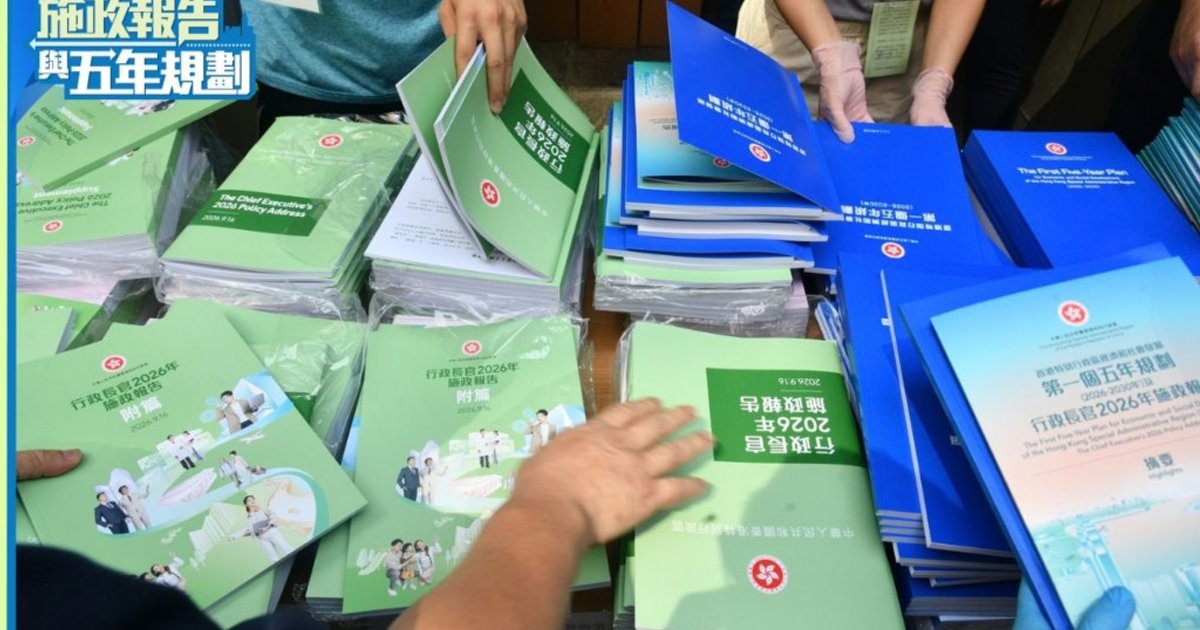
The Hong Kong government announced on September 16, 2026, its first-ever five-year plan, which includes ambitious targets for sustainable aviation fuel (SAF) adoption at Hong Kong International Airport. Chief Executive John Lee Ka-chiu revealed the goal of reaching 1% to 3% SAF usage for departing flights by 2030. EcoCeres, a leading renewable fuels company, has expressed strong support for this initiative, thanking the Policy Innovation and Coordination Office, Transport and Logistics Bureau, and Environment and Ecology Bureau for their collaborative efforts in advancing Hong Kong's SAF competitiveness. The company plans to build a major production facility in Dongguan as part of the regional SAF value chain.
Key Points
- Government targets 1% to 3% SAF usage ratio for Hong Kong International Airport departing flights by 2030
- EcoCeres co-chairmen Chan Ying-lung and Tan Chu-qiao welcome the policy and thank multiple government bureaus
- EcoCeres to construct a 450,000-ton annual capacity renewable fuel facility in Dongguan
- The facility will cover the complete SAF value chain from waste feedstock collection to Hong Kong blending and refueling
- ACCA Hong Kong supports the five-year plan, recommending expanded continuing education funding for AI skills
Why It Matters
This five-year plan positions Hong Kong to contribute meaningfully to international aviation decarbonization efforts while building a green energy hub in the Greater Bay Area. The EcoCeres Dongguan facility, once operational, could establish a regional benchmark for SAF production and supply, potentially attracting further green investment to Hong Kong and strengthening the city's role in sustainable aviation logistics .
This five-year plan positions Hong Kong to contribute meaningfully to international aviation decarbonization efforts while building a green energy hub in the Greater Bay Area. The EcoCeres Dongguan facility, once operational, could establish a regional benchmark for SAF production and supply, potentially attracting further green investment to Hong Kong and strengthening the city's role in sustainable aviation logistics .