Chinese Student in Russia Apologizes for Wearing Rising Sun Flag in Class, Sparks Backlash
SingTao · 3 SOURCES1 day ago7 MIN
Summary
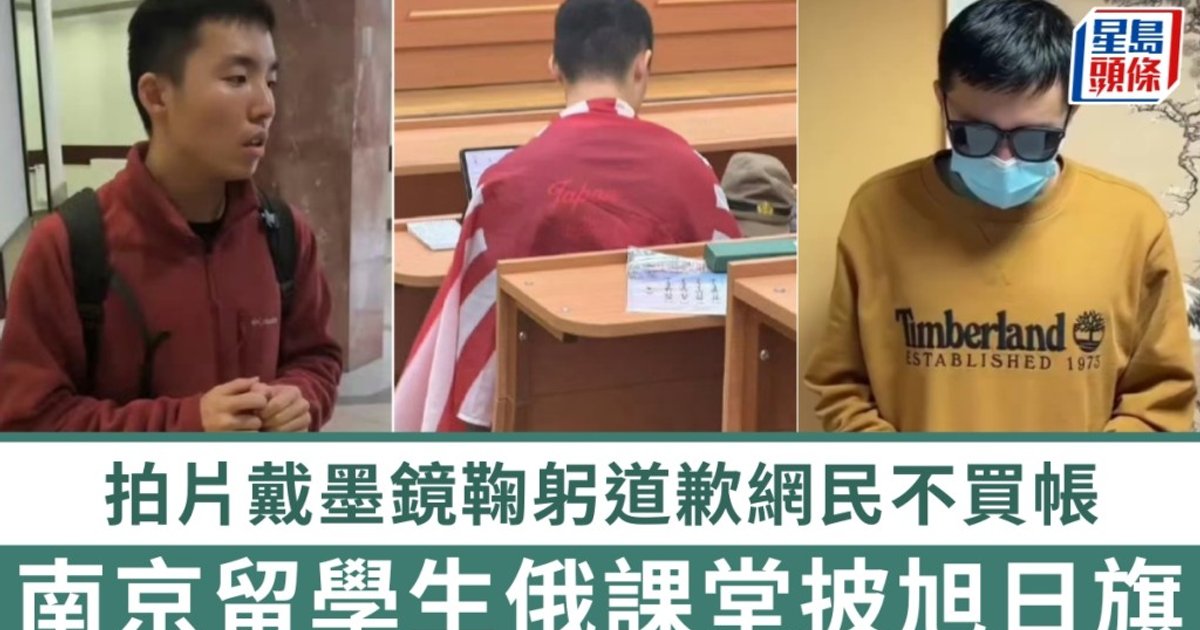
A Chinese student at Moscow State University has issued two apology videos after triggering widespread condemnation by wearing a Japanese rising sun flag in class, a symbol associated with wartime imperialism. Chen Yuxin (陳宇昕), a 24-year-old from Nanjing, Jiangsu Province, was initially criticized for appearing in his first apology video wearing sunglasses and a face mask, with netizens accusing him of trying to hide his identity rather than genuinely atoning for his actions. After removing the disguise on October 17, Chen faced renewed backlash as fellow students and online commentators exposed additional alleged misconduct, including claims he had purchased Japanese military memorabilia in Taiwan, posed as a Japanese person while in Moscow, and verbally abused other Chinese students in Japanese. The controversy has escalated into a diplomatic matter, with the Chinese Embassy in Russia reportedly involved and the university initiating an investigation into the incident.
Key Points
- Chen Yuxin (陳宇昕), a 24-year-old Nanjing native, wore a rising sun flag and displayed a Japanese military cap during an October 14 history class at Moscow State University
- On National Day (October 1), Chen reportedly wore the rising sun flag in class, and on October 7 brought a Taiwan independence flag to another lecture
- His first apology video featured sunglasses and a mask, which netizens called a transparent attempt to avoid accountability rather than genuine remorse
- Fellow students revealed that Chen had previously claimed to be Japanese while living in Moscow and used Japanese insults against Chinese classmates
- The Moscow State University Chinese Students and Scholars Association stated the school considers his actions a violation of educational principles and will announce formal disciplinary measures
Why It Matters
The controversy highlights how historical sensitivities surrounding Japanese wartime symbolism remain deeply resonant among Chinese communities abroad, with actions perceived as disrespectful capable of triggering intense backlash and potential diplomatic consequences. The case also underscores the growing role of online exposure in holding individuals accountable for perceived national betrayal, as Chen's identity was rapidly traced and his past conduct scrutinized by netizens. The incident tests the boundaries between academic freedom and historical sensitivity in international educational settings, with implications for how universities balance cultural awareness with respect for nations whose peoples suffered under Japanese aggression.
The controversy highlights how historical sensitivities surrounding Japanese wartime symbolism remain deeply resonant among Chinese communities abroad, with actions perceived as disrespectful capable of triggering intense backlash and potential diplomatic consequences. The case also underscores the growing role of online exposure in holding individuals accountable for perceived national betrayal, as Chen's identity was rapidly traced and his past conduct scrutinized by netizens. The incident tests the boundaries between academic freedom and historical sensitivity in international educational settings, with implications for how universities balance cultural awareness with respect for nations whose peoples suffered under Japanese aggression.