Hong Kong Considers DNA Testing for 'Fighting Dog' Classification After Public Concern
SCMP · 1 SOURCESabout 3 hours ago2 MIN
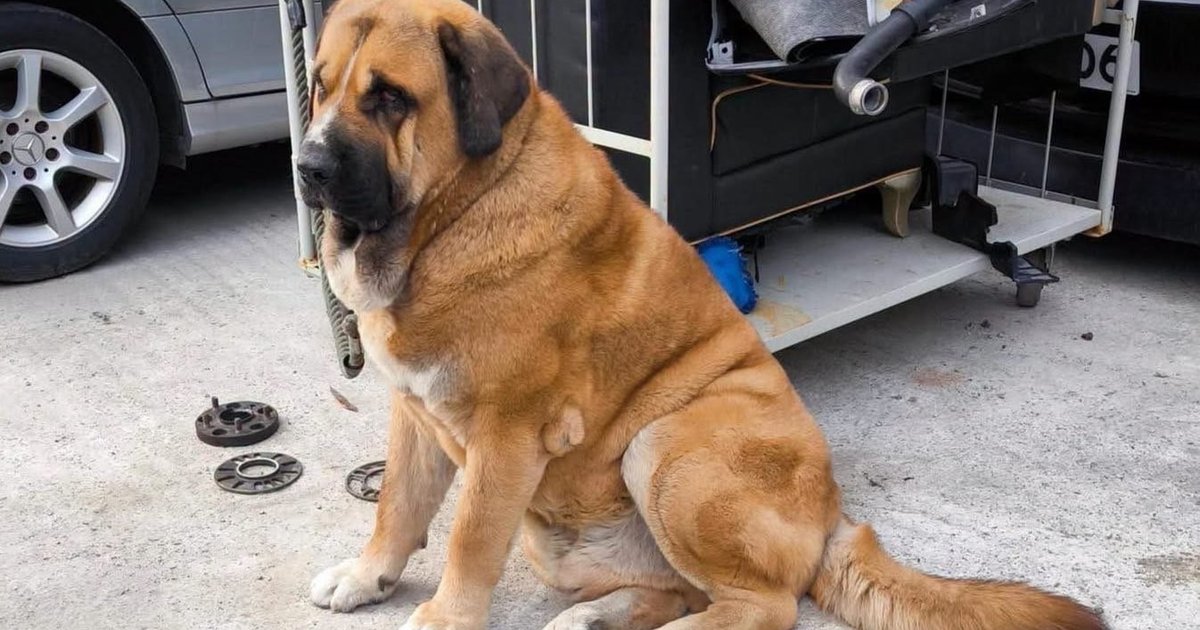
Summary
Hong Kong's conservation authorities are considering DNA testing as a supplementary tool for identifying fighting dog breeds, following public concern over enforcement actions against suspected fighting dogs. The Agriculture, Fisheries and Conservation Department (AFCD) stated on Thursday it would examine the latest genetic testing applications while continuing to rely primarily on physical characteristics for breed classification. The department also urged owners not to abandon their pets amid the controversy.
Key Points
- The AFCD announced it would examine the latest genetic testing applications as supplementary identification tools for fighting dog breeds
- AFCD Principal Veterinary Officer Michelle Yeung Lee said the department relied on dogs' physical characteristics, citing international standards and risk assessment needs
- Under the Dangerous Dog Regulations, four breeds are classified as fighting dogs: pit bull terrier, Dogo Argentino, Japanese Tosa, and Fila Brasileiro
- The department stepped up inspections and enforcement after two fatal dog attacks in mid-August, seizing at least three dogs with fighting-dog physical traits
- Existing fighting dog owners can keep their pets provided they comply with statutory requirements under the regulations
Why It Matters
The proposed DNA testing approach aims to balance animal welfare concerns with public safety, potentially offering more precise breed identification while addressing concerns about misclassification . This policy development could influence how Hong Kong handles dangerous dog management and set precedents for future animal regulations amid growing public scrutiny.
The proposed DNA testing approach aims to balance animal welfare concerns with public safety, potentially offering more precise breed identification while addressing concerns about misclassification . This policy development could influence how Hong Kong handles dangerous dog management and set precedents for future animal regulations amid growing public scrutiny.