Asia-Pacific Property Markets Draw Capital Despite US Rate Increase
SCMP · 1 SOURCESabout 3 hours ago2 MIN
Summary
Asia-Pacific property markets are defying expectations of capital withdrawal following the US Federal Reserve's first interest rate increase in more than three years, with cross-border investment volumes climbing roughly 30 percent year to date. Mainland China has emerged as the region's most active real estate market, posting a 154 percent surge in investment to US$13 billion during the second quarter of 2026, according to financial data provider MSCI. Hong Kong, while ranking fifth by total transaction value, recorded the strongest growth across the region at 172 percent year on year, signalling renewed investor confidence in the city's property sector.
Key Points
- Cross-border investment volumes in Asia-Pacific increased approximately 30 percent year to date, defying expectations of pullback following the Fed's September 2026 rate increase
- Mainland China led regional activity with investment reaching US$13 billion in Q2 2026, up 154 percent year on year, according to MSCI data
- Hong Kong ranked fifth with US$2.5 billion in deals but posted the strongest growth at 172 percent year on year among major Asia-Pacific markets
- Japan placed second with US$9.7 billion in transactions, followed by Australia with US$8 billion; South Korea identified as emerging market to watch
- Commercial real estate transactions across the region rose 20 percent to US$46.1 billion in Q2 2026, with offices attracting US$15.7 billion, retail US$11.9 billion, and industrial US$9.7 billion
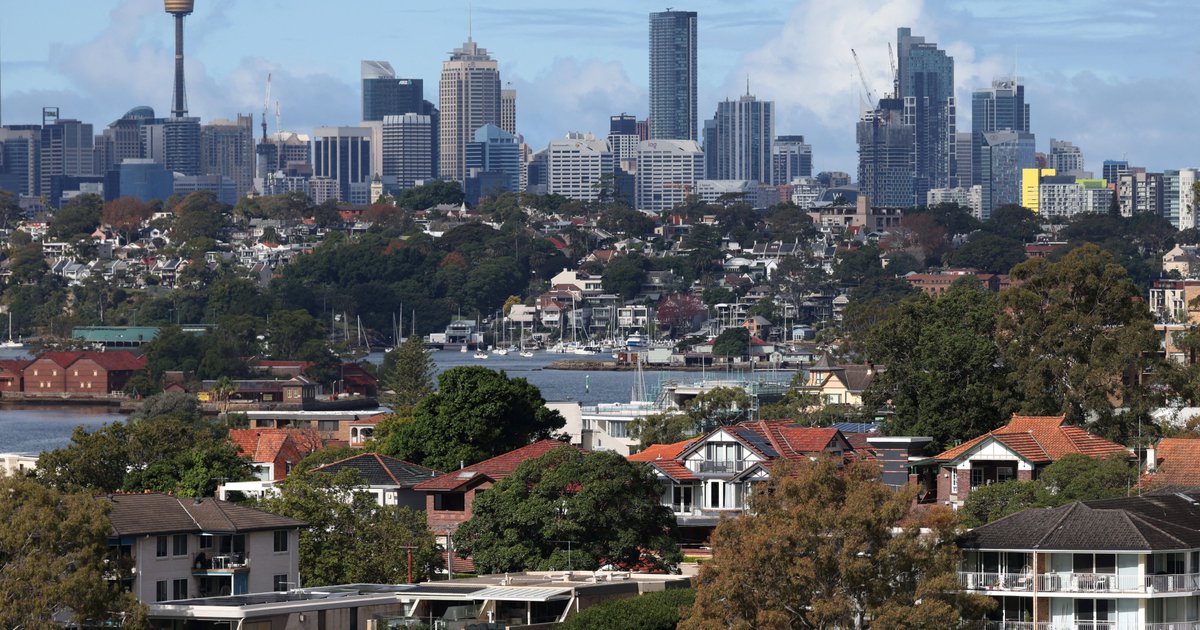
- Sydney's co-living sector and South Korea's senior living assets highlighted as high-growth segments due to favourable demographics and regulatory conditions
Why It Matters
The robust capital inflows demonstrate that Asia-Pacific property markets have developed sufficient resilience and growth narratives to attract investors independent of US monetary policy cycles. For Hong Kong, the 172 percent surge in property investment signals renewed market confidence and positions the city to benefit from capital reallocation trends as investors seek higher-growth opportunities beyond traditional Western markets .
The robust capital inflows demonstrate that Asia-Pacific property markets have developed sufficient resilience and growth narratives to attract investors independent of US monetary policy cycles. For Hong Kong, the 172 percent surge in property investment signals renewed market confidence and positions the city to benefit from capital reallocation trends as investors seek higher-growth opportunities beyond traditional Western markets .