YOHO shoppers report scam calls after appliance purchases
HK01 · 1 SOURCESabout 4 hours ago2 MIN
Summary
Several Hong Kong consumers said they received scam approaches soon after shopping with online retail platform YOHO, with fraudsters appearing to know detailed order information including names, addresses, product types and, in one case, the exact purchase amount. The reported tactics included phone calls claiming goods were damaged or lost in transit, offers of compensation or full refunds, and a WhatsApp link masquerading as UnionPay customer service with a verification badge. One victim said the scam was obvious because the item had been bought directly at a YOHO store and did not require delivery, raising concern over how quickly the caller obtained the purchase record. YOHO said earlier this month that it took the matter seriously and had contacted police, while also warning customers not to disclose personal or banking information or click suspicious links
Key Points
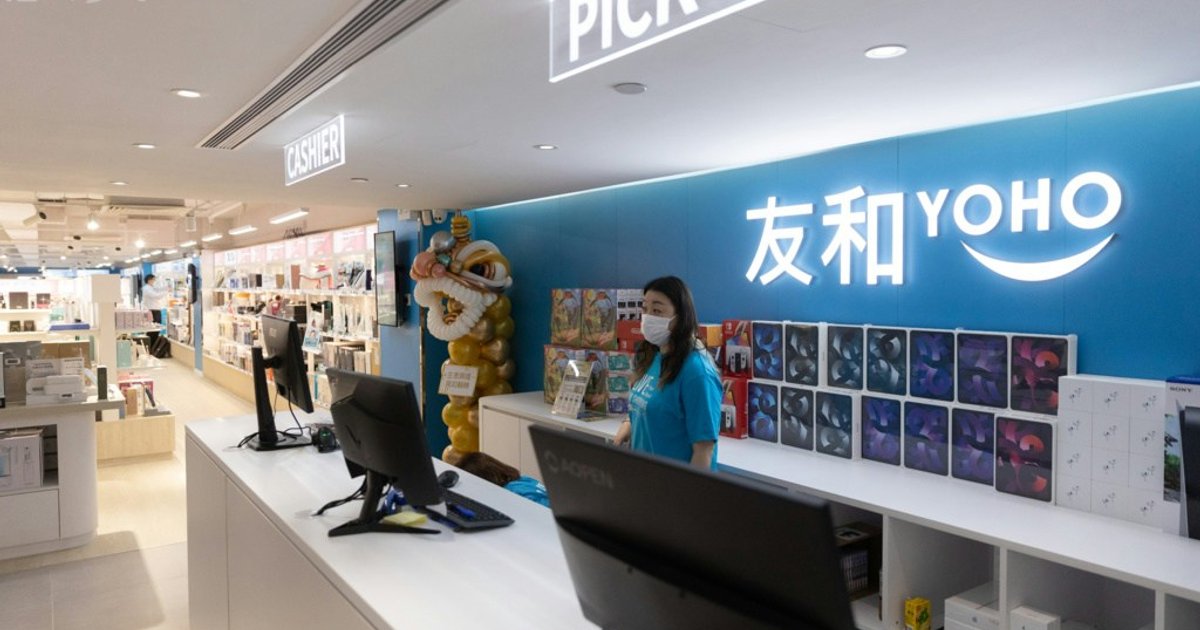
- A Threads user said that after buying a hair dryer at a YOHO store on October 7, a caller claiming to be from the “YOHO logistics department” phoned at noon the next day
- The caller allegedly said the plug had been crushed during delivery and asked to verify personal details and provide a bank account for compensation, despite no delivery being needed
- Another consumer said a supposed YOHO customer service caller accurately stated the surname, district of residence, purchase time, appliance type and even the exact amount paid
- In that case, the fraudster claimed the product had drawn complaints over a possible short-circuit risk, offered a full refund and home collection, then sent a fake UnionPay WhatsApp link
- Earlier this month, another shopper said that after ordering headphones from YOHO online, a caller posing as an SF Express employee phoned that same afternoon claiming the parcel was lost and compensation was available
Why It Matters
The reports suggest scammers are using unusually precise shopping data to make fraud attempts more convincing, which can make even cautious consumers hesitate before spotting inconsistencies. For Hong Kong shoppers, the immediate practical consequence is that routine post-purchase contact about delivery, refunds or product safety may now require independent verification through official channels before any response