Hong Kong Records 171 HIV Cases in First Half of 2024, Urges Testing
AM730 · 3 SOURCESabout 1 hour ago2 MIN
Summary
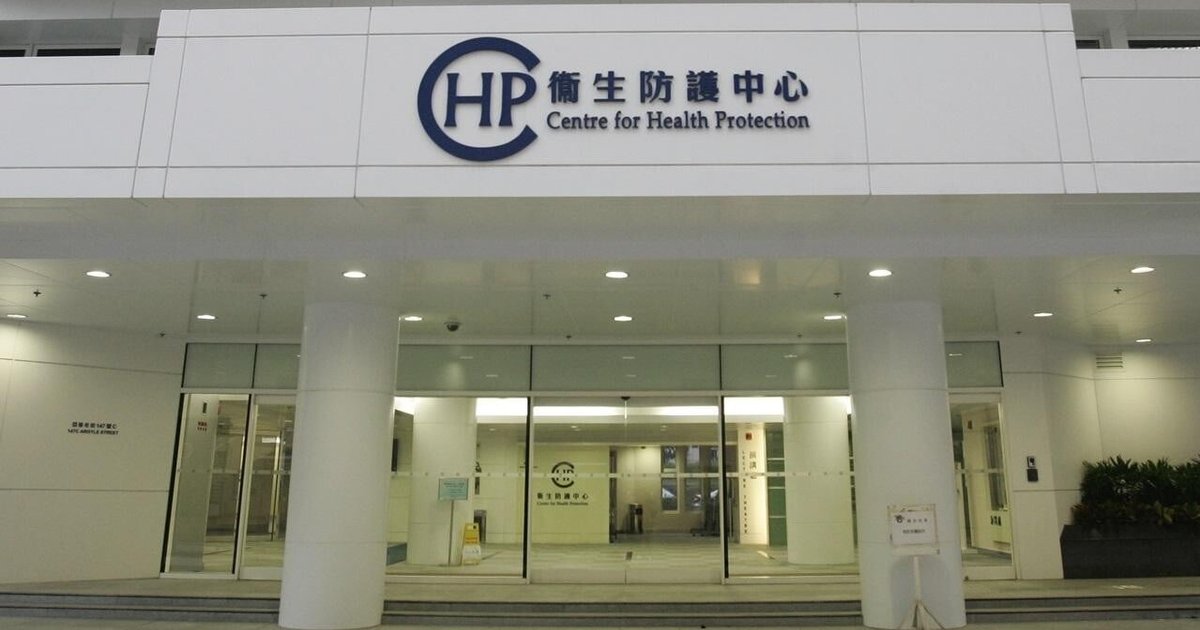
Hong Kong's Centre for Health Protection reported 171 new HIV infections and 28 AIDS cases in the first half of 2024. Nearly half of all infections were diagnosed at a late stage, with almost 80% of these patients having never undergone testing before. The Centre is urging all sexually active individuals to get tested at least once, regardless of age or sexual orientation, to curb the spread of HIV in the community.
Key Points
- The 171 new HIV cases and 28 AIDS cases were reported between January and June 2024, involving 143 males and 28 females aged 19 to 80
- Seventy percent of cases were aged 20 to 49, with nearly 30% aged 50 or above, highlighting infection across multiple age groups
- Among 140 cases with reported transmission routes, 99% were infected through sexual contact, including 94 through homosexual or bisexual contact and 46 through heterosexual contact
- The proportion of "late presenters"—those diagnosed with very low CD4 immune cell counts or already progressed to AIDS—remains at about 50%, with nearly 80% of these individuals never having been tested
- Public Health Services Branch Consultant Physician Dr. Wong Chun-kwan noted that some individuals mistakenly believe their infection risk is low and therefore delay testing and treatment
Why It Matters
Late diagnosis increases risks of opportunistic infections, cancer, and death, while also heightening community transmission as undetected carriers remain infectious. Early testing and treatment can suppress the virus to undetectable levels, preventing transmission under the "U=U" principle—undetectable equals untransmittable—making timely diagnosis crucial for both individual health and public safety .
Late diagnosis increases risks of opportunistic infections, cancer, and death, while also heightening community transmission as undetected carriers remain infectious. Early testing and treatment can suppress the virus to undetectable levels, preventing transmission under the "U=U" principle—undetectable equals untransmittable—making timely diagnosis crucial for both individual health and public safety .