Ho Lap Primary Puts Drama Into Core Curriculum
SingTao · 1 SOURCESabout 7 hours ago2 MIN
Summary
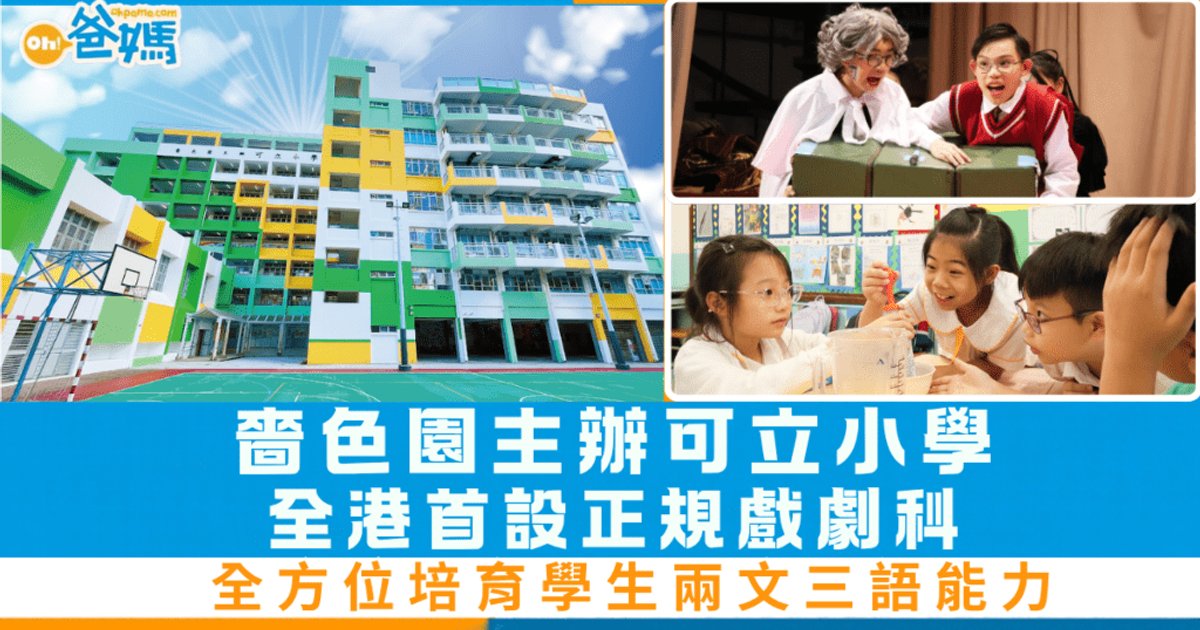
Sik Sik Yuen Ho Lap Primary School recently staged a trilingual tongue-twister contest as part of its long-running focus on biliteracy and trilingualism. The school says it aims to let pupils use Chinese and English, as well as Cantonese, Putonghua and English, in authentic settings rather than through rote memorisation alone. It describes itself as Hong Kong’s first primary school to include drama as a formal subject, using performance to connect language learning with Chinese culture and confidence in public expression. Across English and Chinese lessons, teachers also use picture books, online platforms, student showcases and artificial intelligence tools to build reading, writing, speaking and listening skills
Key Points
- The school recently held a “biliteracy and trilingual tongue-twister contest”, underscoring its emphasis on real-life use of Chinese and English, plus Cantonese, Putonghua and English
- In English, teachers link picture books and everyday themes to reading, speaking and writing, while prioritising oral discussion before written work
- The English curriculum is built around “Reading for Pleasure & Writing for Pleasure”, with online read-aloud sharing, cross-class displays and interactive exhibitions on open days
- In Chinese, pupils practise discussion, debate, role-play and picture-based storytelling, and upload speaking clips to Padlet for teacher and peer feedback
- The drama subject has expanded from upper primary to lower primary, using dramatic interpretation of idioms and historical figures to teach language and values
Why It Matters
For Hong Kong families, the approach offers a concrete example of how schools are trying to move language learning beyond drills and examinations into daily use and public communication. By combining drama, digital platforms, AI-assisted self-learning and regular multilingual speaking opportunities, the model points to a broader push for more applied and confidence-based language education in primary schools