Yunnan Cliff Elevators Transform Dangerous 3-Hour School Commute into 30-Minute Journey
Bastillepost · 2 SOURCESabout 1 hour ago7 MIN
Summary
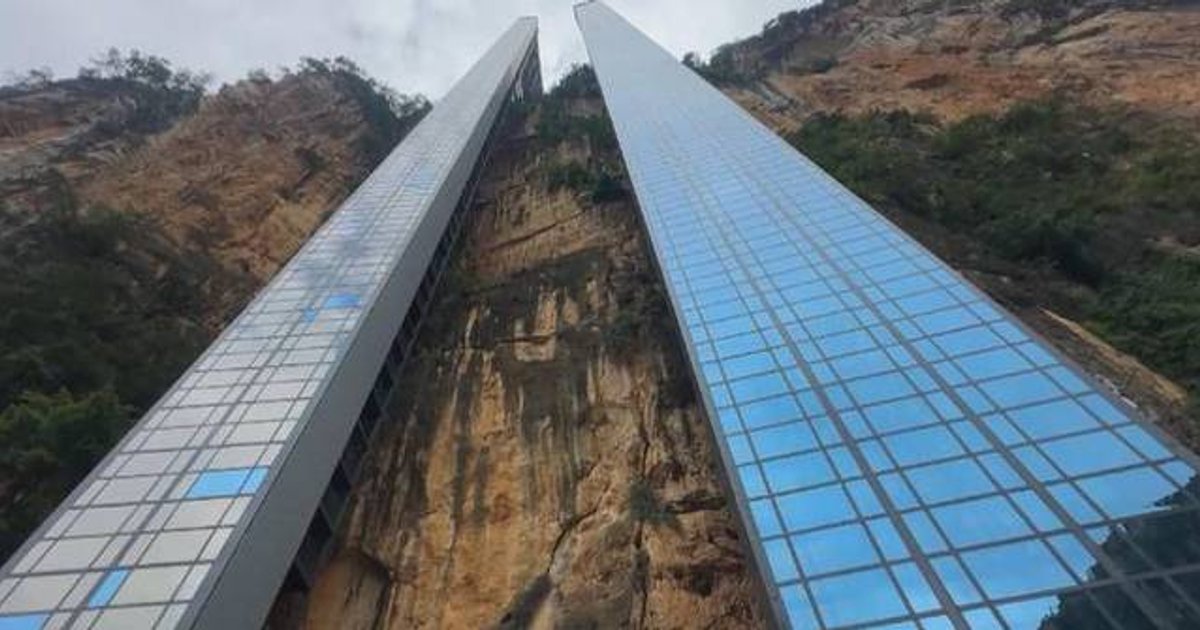
Children in Yunnan Province's Nizhu River Grand Canyon have gained access to a revolutionary "sky school bus" system, replacing treacherous multi-hour mountain treks with swift 30-minute elevator rides. Two towering cliff elevators spanning 268 and 288 meters have shortened the arduous climb to over 500 meters of vertical elevation difference to mere minutes. The infrastructure, part of a poverty alleviation and rural revitalization initiative, has drawn international media attention for its role in ensuring educational equity.
Key Points
- The Nizhu River village, located at the Yunnan-Guizhou border with 56 households, previously required children to traverse 10+ kilometers of horse trails, scale near-vertical cliff faces, or navigate slippery "gecko paths" along rock walls for at least three hours to reach the village primary school
- Two cliff elevators measuring 268 meters and 288 meters in height now connect the canyon floor to the mountaintop school, with the taller second unit becoming operational approximately one month ago and completing the full transportation link
- The dual elevator system has a combined hourly capacity of 1,200 passengers and offers free permanent passage for students and villagers through dedicated priority lanes, having safely transported nearly 1,000 student trips by late August
- A 36-year-old resident named Chen Guanpeng (陳關朋), who previously earned a maximum of 5,000 to 6,000 yuan annually farming ginger, now operates a guesthouse earning 300,000 to 400,000 yuan yearly during peak tourism seasons
- International media outlets including AFP, Spain's Republica, the Huffington Post, and Malaysia's KOSMO! have covered the story, with French wingsuit athlete Loïc Tamburello describing the cliff-embedded elevators as "unique" and "stunning"
Why It Matters
The Nizhu River transformation demonstrates how strategic infrastructure investment can simultaneously address educational inequality and economic development in remote communities. By eliminating the physical barriers that once forced children to wake before dawn and arrive exhausted at school, the "sky school bus" enables students to focus on learning rather than survival. This model exemplifies China's broader rural revitalization strategy, showing how tourism-driven development can create sustainable income alternatives for residents while preserving their connection to ancestral lands. The local government hopes to convert villagers' homes into guesthouses, turning unused resources into primary income sources for residents .
The Nizhu River transformation demonstrates how strategic infrastructure investment can simultaneously address educational inequality and economic development in remote communities. By eliminating the physical barriers that once forced children to wake before dawn and arrive exhausted at school, the "sky school bus" enables students to focus on learning rather than survival. This model exemplifies China's broader rural revitalization strategy, showing how tourism-driven development can create sustainable income alternatives for residents while preserving their connection to ancestral lands. The local government hopes to convert villagers' homes into guesthouses, turning unused resources into primary income sources for residents .