India voter roll purge sparks mass protests and arrests
SingTao · 3 SOURCESabout 8 hours ago2 MIN
Summary
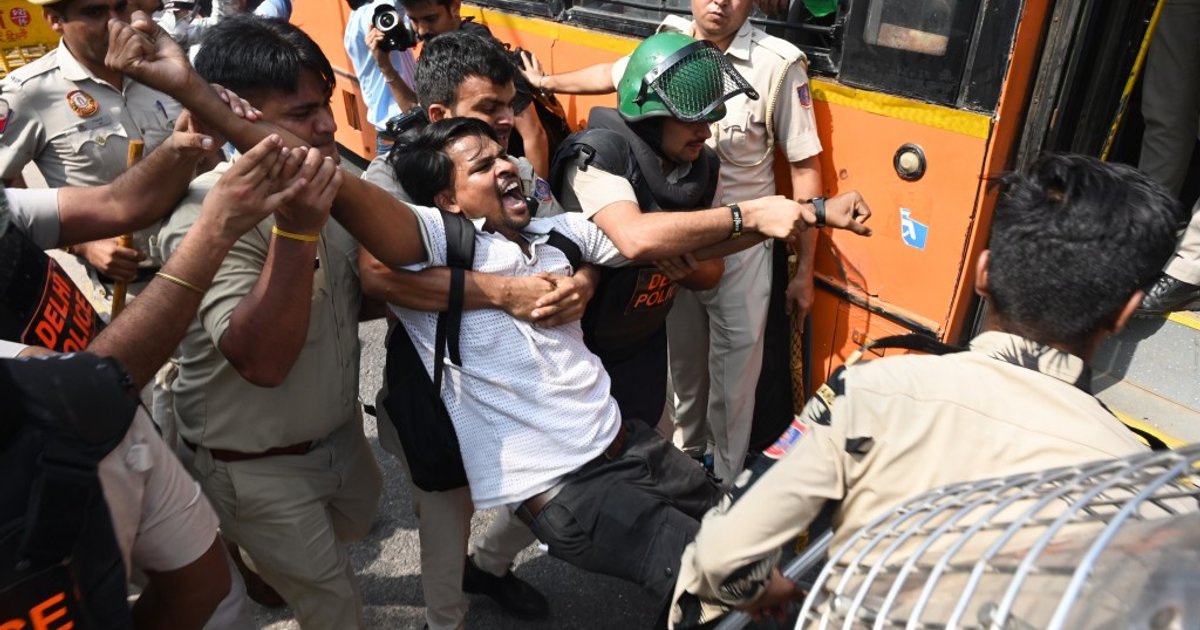
India is facing a major political backlash after the Election Commission’s voter roll revision removed more than 130 million registered names, prompting opposition parties and youth activists to accuse the authorities of disenfranchising legitimate voters ahead of key state contests. On Saturday, police sealed off parts of central New Delhi, deployed riot-control vehicles and stopped buses entering the city centre as protesters tried to gather. More than 2,000 demonstrators were detained in Delhi, while about 400 people were also arrested in Mumbai, according to reports cited by SingTao. Protest leaders are demanding the resignation of Chief Election Commissioner Gyanesh Kumar, while the government and election authorities insist the exercise was a lawful clean-up of duplicate, deceased and ineligible entries.
Key Points
- Since the revision began last year, more than 130 million registered names have been removed from India’s electoral rolls, according to reports cited by SingTao and Bastille Post.
- In key local elections in Bihar and West Bengal, about 6.2 million to 9 million names, or roughly 8% to 12% of voters, were deleted
- Police in New Delhi deployed thousands of officers, riot-control vehicles and roadblocks on Saturday, then used force to disperse crowds and detain protesters.
- More than 2,000 protesters were detained in Delhi, and around 400 were arrested in Mumbai, while some opposition politicians and journalists were also briefly held
- The youth-led Cockroach Janta Party said founder Abhijeet Dipke and other leaders were detained after flying from Mumbai to Delhi for the protest.
Why It Matters
For Hong Kong readers, the story matters because it raises questions about electoral credibility, administrative transparency and how voter-registration rules can shape political outcomes in a large democracy. It also shows how quickly disputes over official procedures can escalate into transport disruption, mass arrests and a wider confrontation between governments, opposition groups and the media.