Kuala Lumpur Tops Global Pollution Index as Haze from Indonesia Wildfires Spreads
SCMP · 2 SOURCESabout 2 hours ago2 MIN
Summary
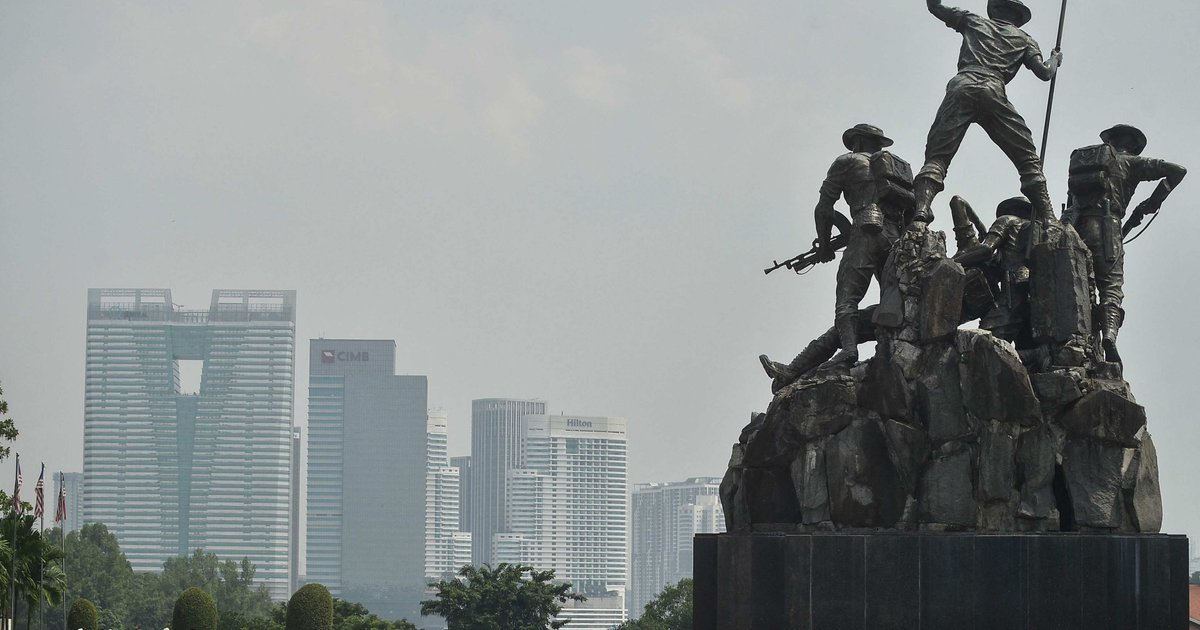
Malaysia's capital Kuala Lumpur topped a global pollution ranking on Wednesday, with Singapore coming in third, as thick haze from Indonesian wildfires continued to blanket the region. The Air Quality Index reading of 166 in Kuala Lumpur and 155 in Singapore placed both cities firmly in the unhealthy category. Hot, dry conditions linked to the El Nino weather phenomenon have exacerbated fires on Borneo and Sumatra islands, with the smoky conditions persisting for more than a month.
Key Points
- Kuala Lumpur recorded an Air Quality Index of 166 early Wednesday, ranking as the world's most polluted major city on IQAir's Swiss monitoring system
- Singapore ranked third globally with an AQI of 155, according to the same IQAir monitoring data
- Wildfire smoke drifting from Borneo and Sumatra islands has shrouded both cities for more than a month
- El Nino weather patterns have created hot, dry conditions that have fueled the fires, which are also linked to land clearing
- In Malaysia's Selangor state, the Johan Setia district recorded an API of 175 and Shah Alam recorded 169, while Kuala Lumpur's Cheras area hit 170
Why It Matters
The severe transboundary haze affecting two of Southeast Asia's major financial hubs underscores the growing cross-border environmental challenges facing the region. With AQI readings classified as unhealthy, residents face immediate health risks including respiratory problems, forcing many to remain indoors and alter their daily activities. The persistence of these fires, linked partly to agricultural land clearing, highlights ongoing debates about regional environmental policy and climate adaptation strategies.
The severe transboundary haze affecting two of Southeast Asia's major financial hubs underscores the growing cross-border environmental challenges facing the region. With AQI readings classified as unhealthy, residents face immediate health risks including respiratory problems, forcing many to remain indoors and alter their daily activities. The persistence of these fires, linked partly to agricultural land clearing, highlights ongoing debates about regional environmental policy and climate adaptation strategies.