Critically Endangered Black Robin Wins New Zealand's 2026 Bird of the Year
SCMP · 2 SOURCESabout 2 hours ago2 MIN
Summary
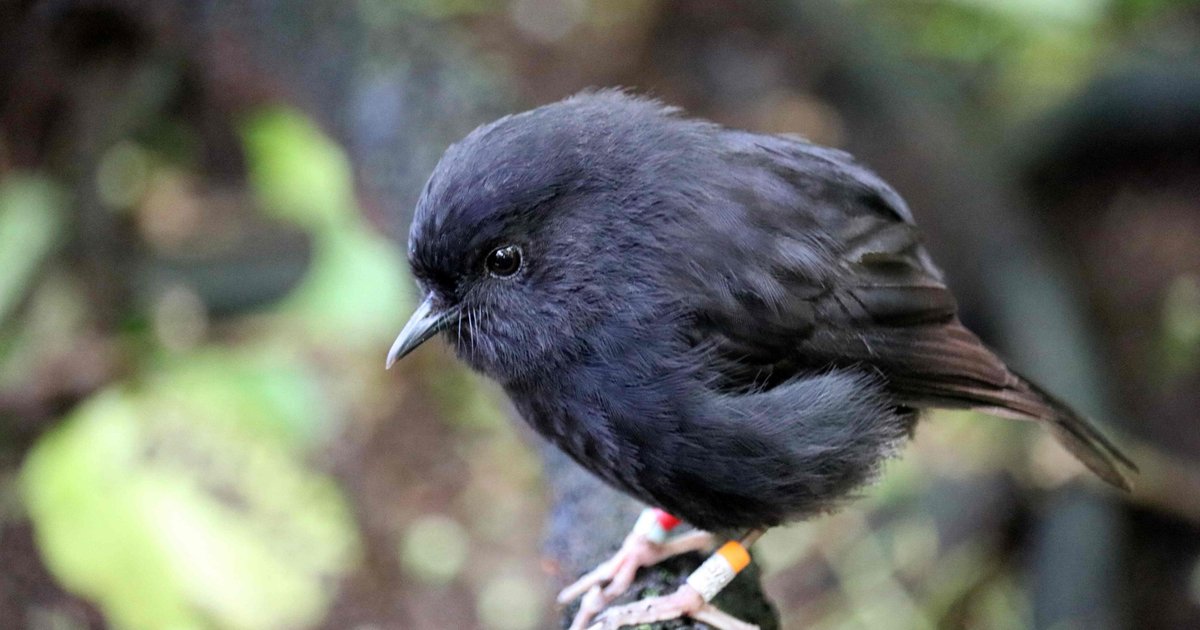
The black robin (Karure) has won New Zealand's 2026 Bird of the Year competition, organized by conservation group Forest and Bird, securing victory against two of the country's most iconic native birds. The species, which faced near-extinction in 1980 with only five individuals remaining including a single breeding female, has made a remarkable recovery to approximately 350 adult birds today. The election drew a record 105,000 participants, with about one in every 50 New Zealanders casting a vote for their favourite feathered creature.
Key Points
- The black robin received 25,610 votes, narrowly defeating the kakapo which gathered 19,445 votes for second place
- The Chatham Islands Landscape Restoration Trust led the campaign for the black robin and is seeking to establish a third habitat on Pitt Island
- In 1980, only five black robins survived, including the only fertile female, prompting a joint recovery effort by the Chatham Islands community and what is now the Department of Conservation
- About 88 percent of the record 105,000 votes came from within New Zealand, according to Forest and Bird
- Rebecca Hatch of Forest and Bird noted that suitable habitat on existing nature reserve islands is nearly at capacity, with all territories now occupied
Why It Matters
The black robin's victory underscores how targeted conservation efforts can pull species back from the brink of extinction, providing a replicable model for endangered species recovery worldwide. The push to establish a third population highlights the next critical phase in ensuring the bird's long-term survival as current habitats reach their ecological carrying capacity .
The black robin's victory underscores how targeted conservation efforts can pull species back from the brink of extinction, providing a replicable model for endangered species recovery worldwide. The push to establish a third population highlights the next critical phase in ensuring the bird's long-term survival as current habitats reach their ecological carrying capacity .