Paul Tse and Pamela Pak to Follow Chua Lam's Spending Model
SingTao · 1 SOURCESabout 11 hours ago2 MIN
Summary
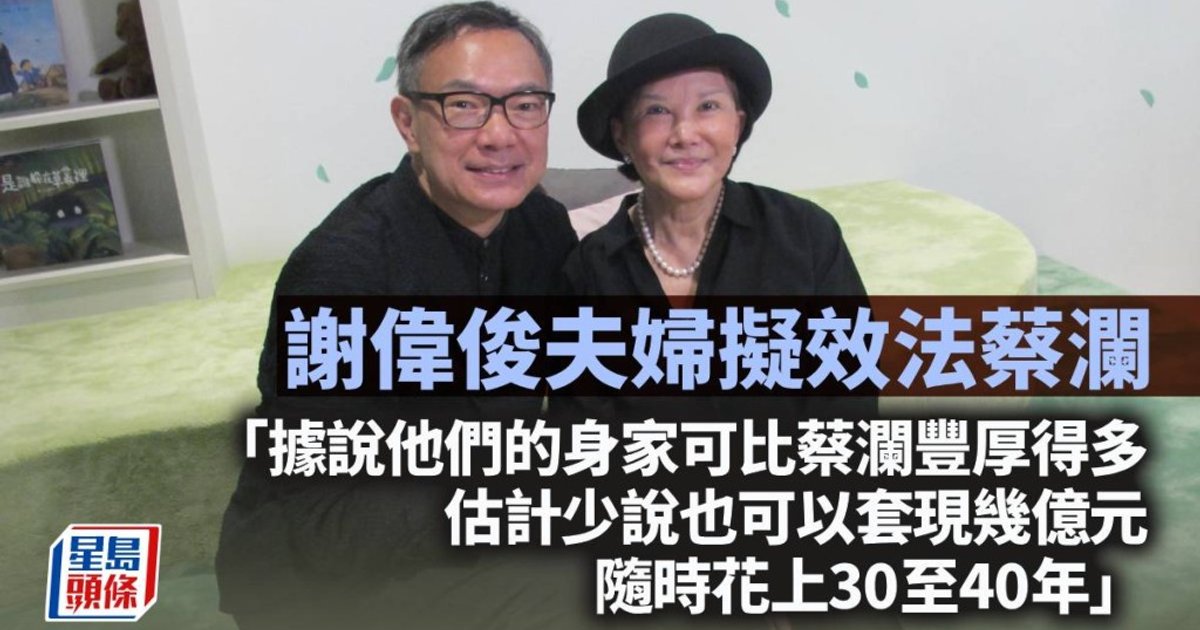
Celebrity writer Chua Lam's final years of lavish spending after selling his property have inspired lawmaker Paul Tse and radio host Pamela Pak to consider a similar path, though their considerably greater wealth would extend such a lifestyle for decades. Chua Lam sold his Kowloon Tong home for HK$32 million following his wife's 2023 death, moved into a luxury hotel suite, and maintained an eight-person staff costing HK$500,000 monthly until his June 2025 passing. Tse and Pak's estimated fortune of several hundred million Hong Kong dollars could fund 30-40 years of comparable expenditure. The trend reflects shifting attitudes among affluent elderly Hong Kong residents toward asset liquidation and immediate quality-of-life maximization.
Key Points
- Chua Lam sold his Kowloon Tong Ai Bin Garden mansion for HK$32 million in 2023 after his wife's accidental death .
- He donated his entire collection of calligraphy, antiques, and books, keeping only one prized pu-erh tea cake .
- Chua relocated to a Rosewood Hotel sea-view suite overlooking Victoria Harbour with an eight-person dedicated staff .
- His monthly living expenses reached HK$500,000, covering a secretary, assistant, driver, nurse, and domestic helpers .
- Chua died on June 25, 2025, having spent most of his liquidated assets in his final years .
- Paul Tse and Pamela Pak reportedly plan to follow this model, with estimated assets exceeding several hundred million HKD .
- Their wealth could sustain 30-40 years of similar luxury expenditure without depletion .
- The author notes Chua's only "unwise" decision was selling too late, enjoying insufficient time with his cash .
Why It Matters
This development signals a notable cultural shift among Hong Kong's wealthy elderly away from traditional property-based wealth preservation toward experiential spending and personal comfort in final years. The model challenges conventional Chinese values of asset inheritance and frugality, potentially influencing how affluent seniors across the city approach retirement planning and estate management.
This development signals a notable cultural shift among Hong Kong's wealthy elderly away from traditional property-based wealth preservation toward experiential spending and personal comfort in final years. The model challenges conventional Chinese values of asset inheritance and frugality, potentially influencing how affluent seniors across the city approach retirement planning and estate management.