CUHK opens coral base with indoor breeding facility
SingTao · 2 SOURCES1 day ago6 MIN
Summary
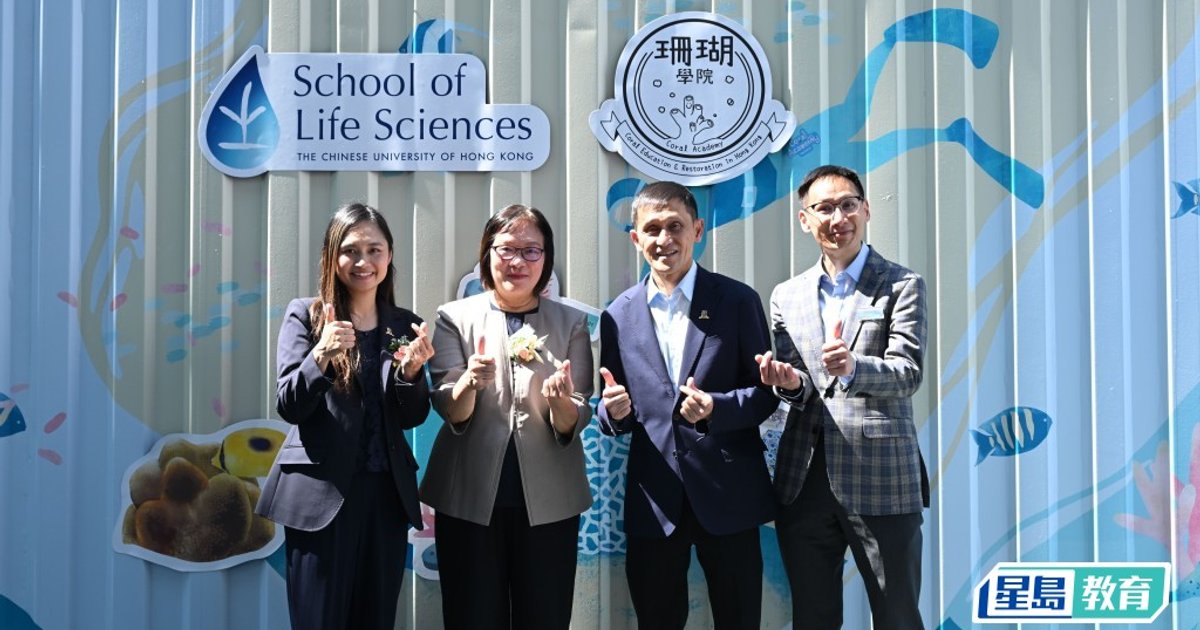
The Chinese University of Hong Kong opened the first physical base of its Coral Academy on October 24, which coincided with International Climate Action Day. The new Coral Academy Base combines indoor coral nursery functions with outdoor learning and interactive areas for student workshops, public education and experiential learning for CUHK students. CUHK said the site houses Hong Kong’s first and only indoor facility dedicated to cultivating and rearing juvenile corals through sexual reproduction, with the aim of improving breeding conditions and expanding public engagement. Officials and university representatives said the base is intended to turn research knowledge into practical conservation solutions across environmental, educational, community, and regional or global dimensions.
Key Points
- Acting Director of Agriculture, Fisheries and Conservation, Lai Chuen-chi (黎存志), said the opening marks major progress in coral propagation, restoration of degraded coral communities and community participation through education.
- Coral Academy founder and CUHK assistant professor Chui Pui-yi (崔佩怡), known as “Coral Mama”, said the base brings together years of Hong Kong coral research and is a major milestone for her team
- The base uses an integrated design that combines indoor nursery facilities with outdoor learning and interactive space for student workshops, public education activities and science communication training.
- CUHK said the base seeks concrete results in four areas: environment, education, community, and regional and global knowledge exchange and collaboration networks.
- CUHK Executive Vice-President Alan Chan Wai-man (潘偉賢) said the base has already raised more than 4,500 juvenile corals, indicating stronger local coral restoration capacity and ecological resilience
Why It Matters
For Hong Kong, the project creates a more permanent platform linking marine science, restoration work and public education in one place, rather than treating them as separate efforts. It also gives schools, students and residents clearer pathways to join coral conservation directly through campus and citizen-science programmes already tied to the base.