Lingnan Study: AI Autonomy May Increase Worker Fatigue
AM730 · 3 SOURCES1 day ago2 MIN
Summary
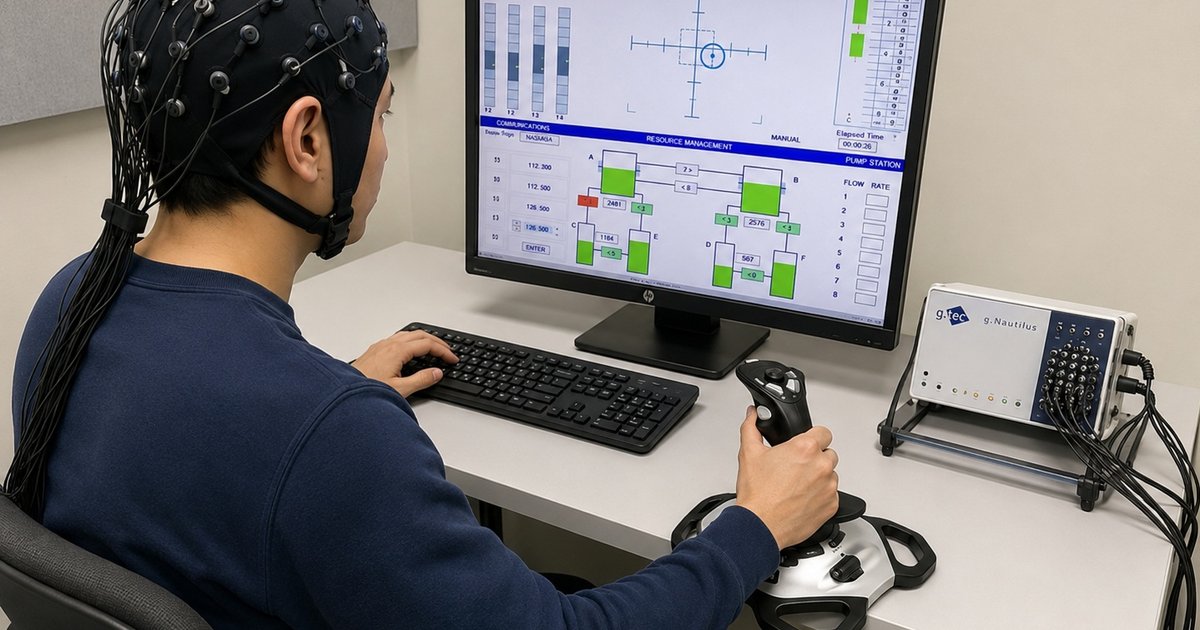
A joint study by Lingnan University and mainland Chinese universities reveals that increasing AI autonomy without careful consideration may backfire, increasing worker fatigue rather than reducing it. The research, published in the International Journal of Human-Computer Interaction, found that allowing AI systems to automatically detect workload changes and take over tasks can create cognitive burdens for operators who must continuously monitor the system's decisions .
Key Points
- The study recruited 92 university students to perform three simultaneous tasks on NASA's Multi-Attribute Task Battery (MATB) aviation simulation platform: a tracking task using a joystick, system monitoring, and resource management .
- In the first round, when workload suddenly increased, participants' tracking task accuracy dropped sharply from 76% to 55%, as they prioritized discrete tasks requiring immediate response over continuous monitoring tasks .
- The second round compared two models: human-led mode where operators decided when to delegate or reclaim control, versus shared control where AI automatically detected workload changes and took over tasks .
- During workload surges, shared control effectively distributed pressure and prevented significant errors; however, when workload decreased, human-led mode performed better as operators maintained situational awareness .
- Participants in the shared control group showed significantly higher fatigue scores than the human-led group during extended work periods, indicating greater automation does not necessarily reduce mental load .
Why It Matters
The findings challenge the common assumption that more automation always leads to better outcomes, suggesting future AI system design should flexibly adjust authority allocation based on work conditions and prioritize transparency in human-machine communication . The research provides important references for aviation cockpit design, remote operations, intelligent transportation, and other high-risk human-machine collaboration scenarios .
The findings challenge the common assumption that more automation always leads to better outcomes, suggesting future AI system design should flexibly adjust authority allocation based on work conditions and prioritize transparency in human-machine communication . The research provides important references for aviation cockpit design, remote operations, intelligent transportation, and other high-risk human-machine collaboration scenarios .