Zelensky Confirms Two North Korean POWs Transferred to South Korea
SingTao · 2 SOURCESabout 3 hours ago5 MIN
Summary
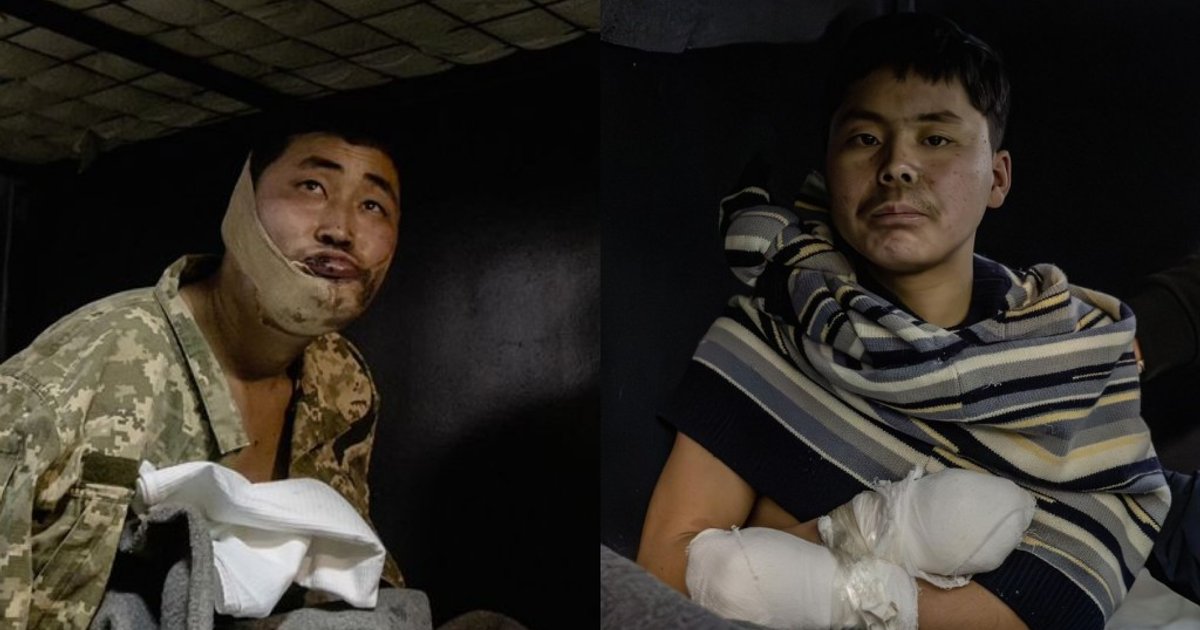
Ukrainian President Volodymyr Zelensky confirmed at the United Nations General Assembly on September 23 that two North Korean soldiers captured in Russia's Kursk Oblast in January 2025 have been transferred to South Korea. The transfer followed 1 year and 8 months of clandestine negotiations between Kyiv and Seoul, with the soldiers arriving through a third country approximately 3 to 4 days before September 24. Zelensky condemned North Korean leader Kim Jong-un for treating soldiers as currency to be exchanged for other gains.
Key Points
- Two North Korean soldiers captured in January 2025 in Kursk Oblast, Russia, have been transferred to South Korea after 1 year and 8 months of negotiations
- The soldiers are Lee (李某), 26, a sniper and reconnaissance operative, and Baek (白某), 21, a ranger; they previously expressed desire to go to South Korea
- South Korean lawmaker Yu Yongwon confirmed the soldiers arrived approximately 3 to 4 days before September 24 via a third country and are now under protection by the National Intelligence Service
- South Korean President Lee Jae-myeng discussed the POW issue with Zelensky in July, with both sides agreeing to respect the prisoners' free will
- Zelensky criticized Kim Jong-un at the UN, stating he treats soldiers as currency and warned that Russia's unpunished war is spreading
Why It Matters
This transfer represents a rare and significant intelligence opportunity, as North Korean soldiers fighting alongside Russian forces could provide valuable information about Pyongyang's military operations and capabilities. The case also illustrates the expanding international dimensions of the Ukraine conflict, with North Korea's direct involvement creating new diplomatic complexities and potential precedents for handling prisoners from non-traditional combatants.
This transfer represents a rare and significant intelligence opportunity, as North Korean soldiers fighting alongside Russian forces could provide valuable information about Pyongyang's military operations and capabilities. The case also illustrates the expanding international dimensions of the Ukraine conflict, with North Korea's direct involvement creating new diplomatic complexities and potential precedents for handling prisoners from non-traditional combatants.