Rare Blue Light Pillars Spotted Over Sai Kung Night Sky
HK01 · 1 SOURCESabout 16 hours ago2 MIN
Summary
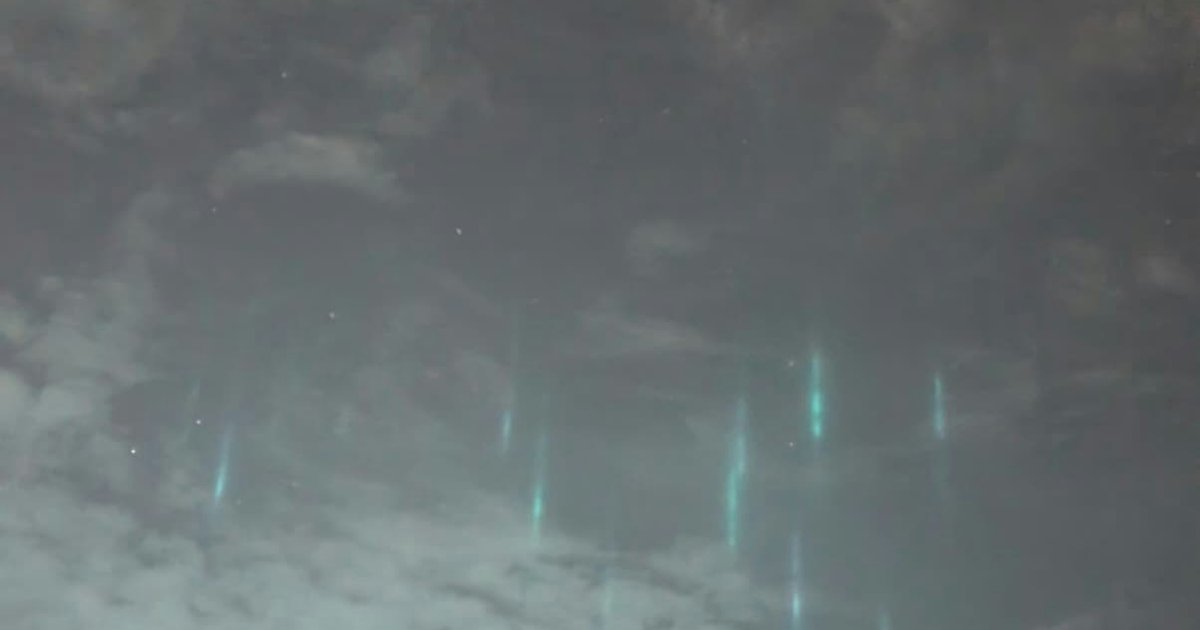
Approximately ten mysterious blue light pillars were observed floating in the night sky over Sai Kung on Tuesday evening, captivating local residents and photographers. The Hong Kong Observatory attributed the rare atmospheric phenomenon to ice crystals suspended in the upper atmosphere reflecting powerful lighting equipment from vessels operating in waters east of Hong Kong . The specific weather conditions that night, including favorable temperature and humidity at high altitude, created the ideal environment for ice crystal formation .
Key Points
- 19-year-old photographer Khalid MAHMUD, a non-local student at City University of Hong Kong, captured images and video of the phenomenon from Sai Sha Road near Kei Ling Ha Lo Wai around 10 p.m. on Tuesday .
- The approximately ten light pillars appeared turquoise-blue in color, suspended in the southeastern sky at an elevation angle of about 30 degrees .
- Multiple witnesses reported sightings, with additional reports coming from Tai Mei Tuk on the same evening .
- The Observatory explained that light pillars form when sufficient suspended ice crystals reflect ground-based light sources in alignment with the observer's viewing direction .
- Weather data confirmed Tuesday night's high-altitude temperature and humidity conditions were conducive to ice crystal formation over the region .
Why It Matters
This event highlights Hong Kong's capacity to experience rare atmospheric optical phenomena typically associated with colder climates, expanding public understanding of local meteorological possibilities. The incident also demonstrates how urban light pollution and maritime activities can interact with natural atmospheric conditions to create unexpected visual effects visible to the public .
This event highlights Hong Kong's capacity to experience rare atmospheric optical phenomena typically associated with colder climates, expanding public understanding of local meteorological possibilities. The incident also demonstrates how urban light pollution and maritime activities can interact with natural atmospheric conditions to create unexpected visual effects visible to the public .