Hong Kong Food Safety Alerts: Poisoned Eggs Found, Pre-Made Egg Concerns Spread
SingTao · 2 SOURCESabout 2 hours ago2 MIN
Summary
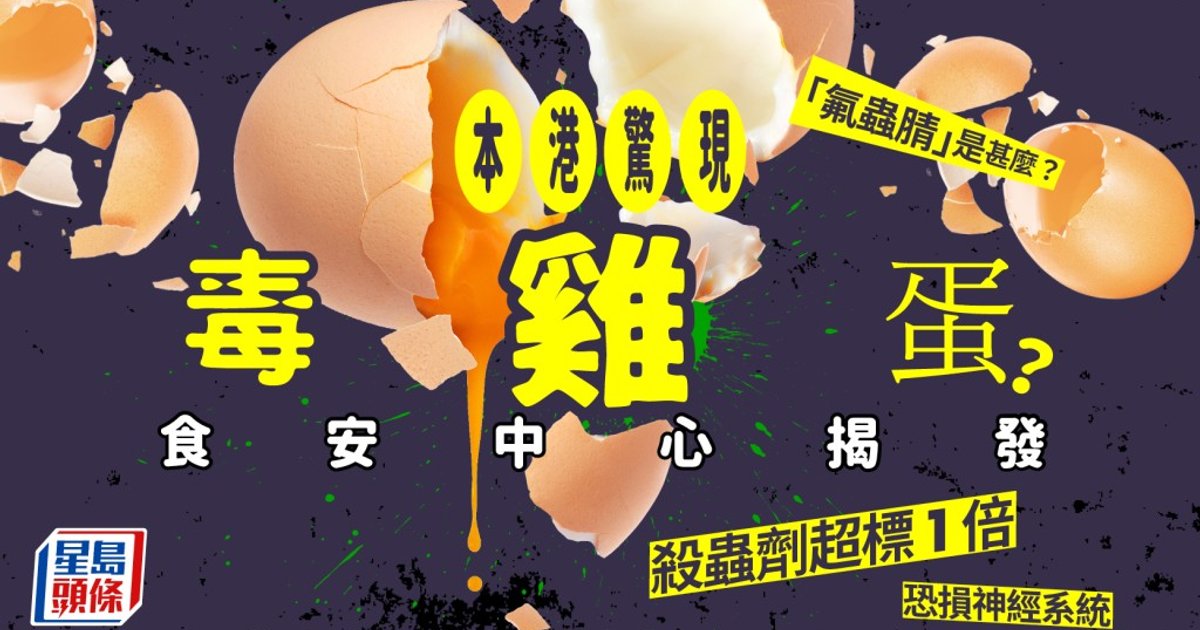
Hong Kong's Centre for Food Safety has discovered eggs containing fipronil pesticide residue at levels exceeding legal standards at a warehouse in To Kwa Wan. The contaminated sample showed 0.044 mg/kg of fipronil, more than double the permitted limit of 0.02 mg/kg. Simultaneously, consumers on social media have reported suspicious eggs at local chain restaurants, sparking debate about the use of pre-made eggs imported from mainland China. The Hong Kong Catering Management Association has commented on the likelihood of pre-made eggs being widely adopted in local establishments.
Key Points
- The Food Safety Centre detected fipronil at 0.044 mg/kg in eggs from a To Kwa Wan warehouse, over the legal limit of 0.02 mg/kg
- The centre has ordered the importer to halt sales immediately, though product details have not been publicly disclosed
- A diner posted on Threads about receiving rubbery, gum-like eggs at a chain dai pai dong, with replacements showing the same problems
- Pre-made fried eggs are available on Taobao for approximately RMB ¥0.81 (about HK$0.9) per piece, with products marketed as "ready to eat upon opening"
- Yang Zhi-xing, president of the Hong Kong Catering Management Association, stated that fresh eggs cost only HK$0.6-0.8, making pre-made alternatives economically unjustifiable
Why It Matters
These dual food safety concerns highlight growing scrutiny of Hong Kong's egg supply chain, from pesticide contamination to potential use of imported processed products. The fipronil case follows a similar incident in Taiwan last year affecting approximately 150,000 eggs across 9-10 counties, demonstrating the transboundary nature of contaminated food risks. For Hong Kong consumers accustomed to freshly prepared cha chaan teng cuisine, these revelations raise questions about food quality standards and transparency in the local dining industry
These dual food safety concerns highlight growing scrutiny of Hong Kong's egg supply chain, from pesticide contamination to potential use of imported processed products. The fipronil case follows a similar incident in Taiwan last year affecting approximately 150,000 eggs across 9-10 counties, demonstrating the transboundary nature of contaminated food risks. For Hong Kong consumers accustomed to freshly prepared cha chaan teng cuisine, these revelations raise questions about food quality standards and transparency in the local dining industry