Japan Eases Overtime Rules Under Workaholic PM Takaichi, Sparking Criticism
SCMP · 2 SOURCESabout 2 hours ago2 MIN
Summary
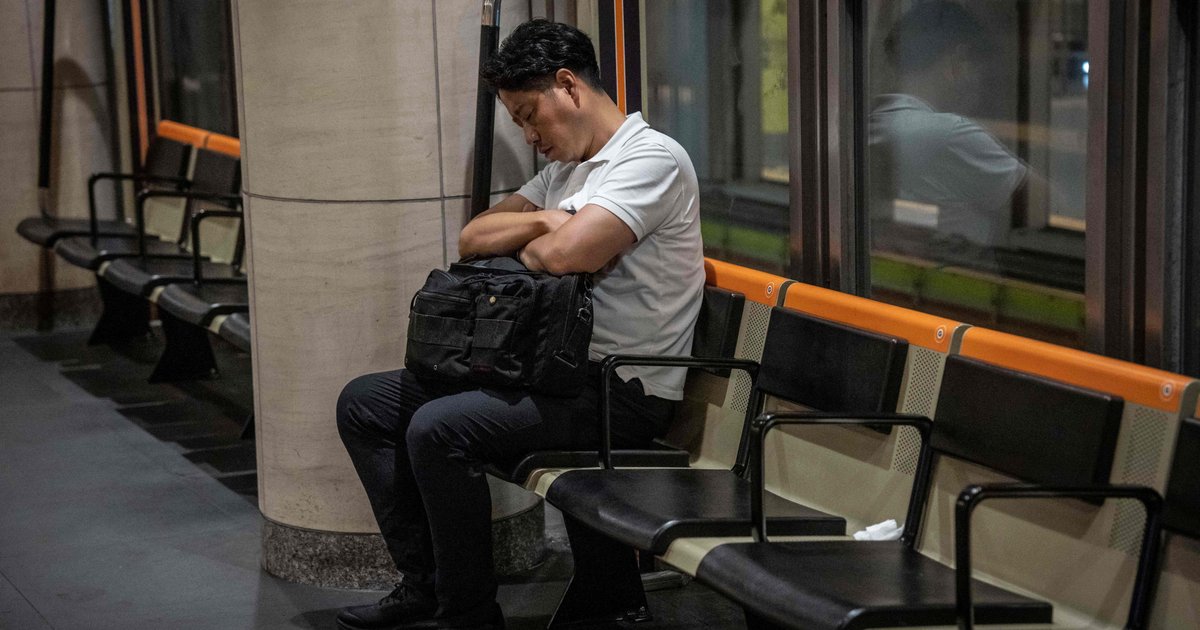
Japan eased overtime regulations on Tuesday, September 1, 2026, in a policy shift aimed at stimulating economic growth but widely condemned as a retreat from the country's efforts to curb overwork culture. The government of Prime Minister Sanae Takaichi, who has publicly embraced a workaholic identity, pushed through the changes following a growth strategy adopted in July that called for revisions to work-hour oversight . Labour standards inspection offices will no longer pressure businesses to adhere to the previous 45-hour monthly overtime guideline, which had carried quasi-regulatory weight . The move comes as roughly 40 percent of Japanese companies operate under agreements permitting up to 100 hours of monthly overtime, though the 45-hour cap was intended to reduce karoshi risks . Business groups, particularly representing small and medium-sized enterprises in understaffed sectors, welcomed the change, while unions condemned it as a dangerous reversal of modernising reforms .
Key Points
- Approximately 40 percent of Japanese businesses operate under labour agreements legally permitting up to 100 hours of monthly overtime
- The previous 45-hour monthly guideline was designed to prevent karoshi, as exceeding this threshold significantly increases overwork death risks
- A Japan Chamber of Commerce survey found that the 45-hour guidance was restricting about 20 percent of small and mid-sized enterprises, especially in construction, transport, and hospitality
- Under the new rule effective September 1, labour standards inspection offices will cease pressuring companies to comply with the 45-hour cap
- Trade union Zenroren criticised the policy as an "unacceptable shift" that abolishes measures urging companies to reduce work hours
Why It Matters
The policy signals a potential rollback of hard-won workplace reforms in Japan, where excessive overtime culture has been linked to serious mental health crises and premature deaths. For Hong Kong readers, this development in Japan's labour policies may foreshadow similar debates in markets facing comparable demographic pressures and work culture challenges .
The policy signals a potential rollback of hard-won workplace reforms in Japan, where excessive overtime culture has been linked to serious mental health crises and premature deaths. For Hong Kong readers, this development in Japan's labour policies may foreshadow similar debates in markets facing comparable demographic pressures and work culture challenges .