Bus-Train Collision at Channel Tunnel Injures 19, Disrupts LeShuttle Services
SCMP · 6 SOURCESabout 7 hours ago2 MIN
Summary
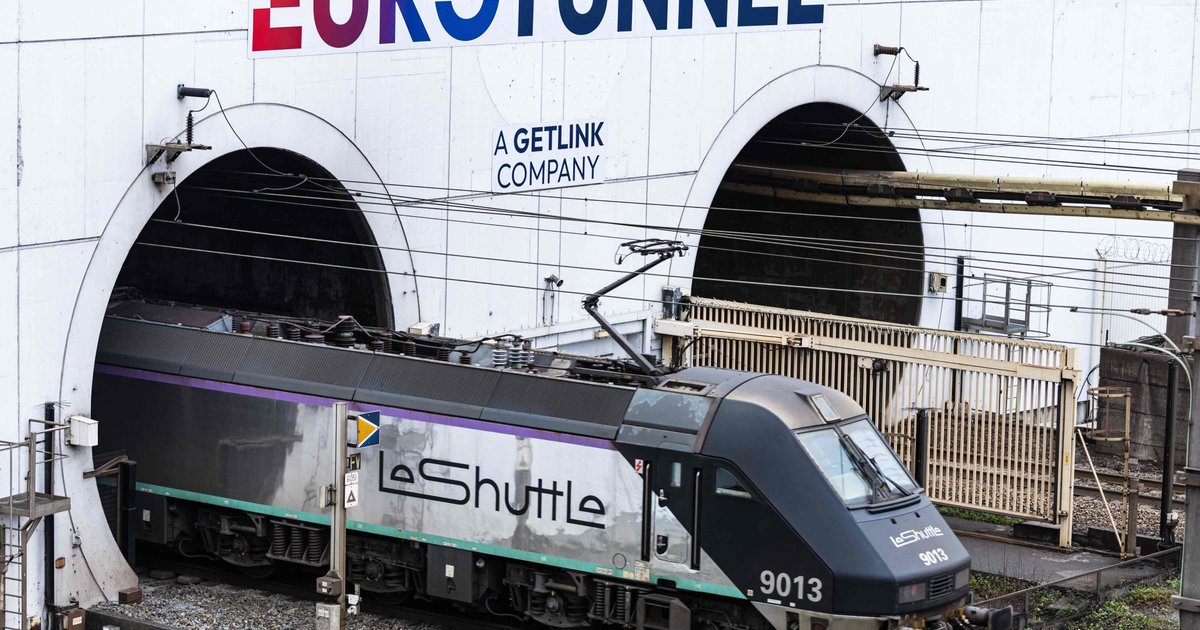
A minibus collided with a stationary train at the LeShuttle vehicle-loading terminal on the French side of the Channel Tunnel on Thursday evening, October 15, injuring 19 people including the driver and 18 passengers. Five victims sustained severe injuries, though authorities confirmed no lives were at risk. Emergency services responded with a helicopter and multiple vehicles, while prosecutors in Boulogne-sur-Mer launched an investigation for suspected unintentional injury .
Key Points
- The collision occurred at approximately 7:19 pm local time at the Coquelles terminal near Calais, where the minibus was transporting truck drivers of various nationalities preparing to board a LeShuttle train
- All 19 injured were on board the minibus, including the driver and 18 passengers, with five sustaining severe injuries but no lives reported in danger
- The loading platform had two trains parked on either side—one loading heavy trucks for cross-Channel travel, the other already loaded and preparing to depart—when the minibus struck the departing train
- Calais deputy prefect Agathe Cury confirmed LeShuttle vehicle-carrying services were suspended for about 90 minutes while emergency services worked at the scene, though Eurostar passenger rail services remained unaffected
- The Channel Tunnel spans 50 kilometres between Coquelles in France and Folkestone in England, handling roughly 2.2 million car crossings and 8 million passengers annually through Getlink's LeShuttle service
Why It Matters
The accident highlights the intricate logistics of cross-Channel transport infrastructure, where vehicles and passengers board specialized shuttle trains through one of the world's longest undersea tunnels. While Eurostar's unaffected services demonstrate the built-in redundancy of the Channel crossing system, the incident near the tunnel entrance temporarily disrupted one of Europe's critical freight arteries .
The accident highlights the intricate logistics of cross-Channel transport infrastructure, where vehicles and passengers board specialized shuttle trains through one of the world's longest undersea tunnels. While Eurostar's unaffected services demonstrate the built-in redundancy of the Channel crossing system, the incident near the tunnel entrance temporarily disrupted one of Europe's critical freight arteries .