Hong Kong Recalls Taiwan Rice Noodles Over Formaldehyde
HK01 · 5 SOURCESabout 1 hour ago2 MIN
Summary
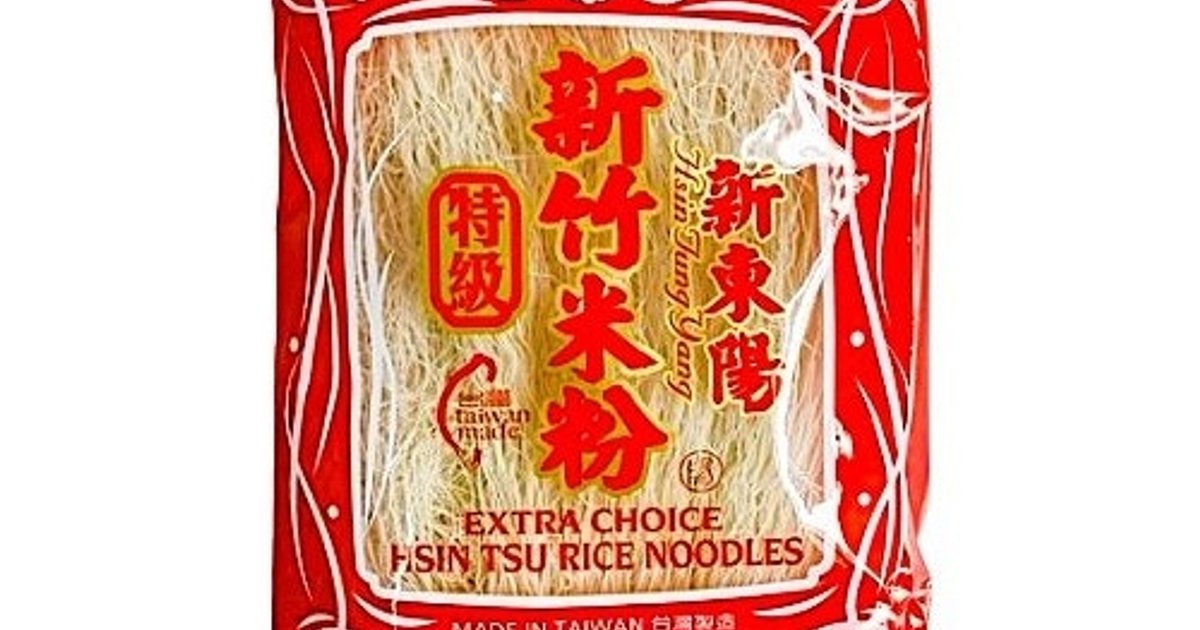
Hong Kong's Centre for Food Safety said it has ordered the immediate stop-sale, removal from shelves and recall of an affected batch of Sinton Hsinchu Rice Noodles imported from Taiwan after a sample was found to contain trace formaldehyde . The sample, taken from an online shop under the centre's routine food surveillance programme, contained 12 parts per million of formaldehyde, and the centre said the detected level would not cause adverse health effects under normal consumption .
Key Points
- The affected product is Sinton Hsinchu Rice Noodles, brand Sinton, made in Taiwan, distributed by B&S Company, 300 grams, best before April 10, 2029 .
- The Centre for Food Safety collected the sample from an online shop and found 12 ppm of formaldehyde through its regular food monitoring programme .
- Authorities told the retailer and distributor to stop sales, remove the batch from shelves and begin a recall, while consumers were urged not to eat it .
- Follow-up checks found about 450 boxes of the affected batch in the distributor's warehouse, and the centre immediately sealed the stock .
- The centre said formaldehyde cannot legally be added to food as a preservative in Hong Kong; offenders face a maximum HK$50,000 fine and six months' jail .
Why It Matters
For Hong Kong consumers, the immediate issue is product handling rather than acute poisoning risk, because the centre said the detected level would not be harmful in normal consumption and ingested formaldehyde is not considered carcinogenic by the World Health Organization's cited information . The case is also likely to keep pressure on importers and retailers, as the centre said it has already stepped up formaldehyde testing at import and retail levels and found no other failed samples among more than 70 recent food tests .
For Hong Kong consumers, the immediate issue is product handling rather than acute poisoning risk, because the centre said the detected level would not be harmful in normal consumption and ingested formaldehyde is not considered carcinogenic by the World Health Organization's cited information . The case is also likely to keep pressure on importers and retailers, as the centre said it has already stepped up formaldehyde testing at import and retail levels and found no other failed samples among more than 70 recent food tests .