39-Year-Old Hong Kong Man Confirmed with Monkeypox, CHP Conducts Contact Tracing
On.cc · 6 SOURCESabout 2 hours ago2 MIN
Summary
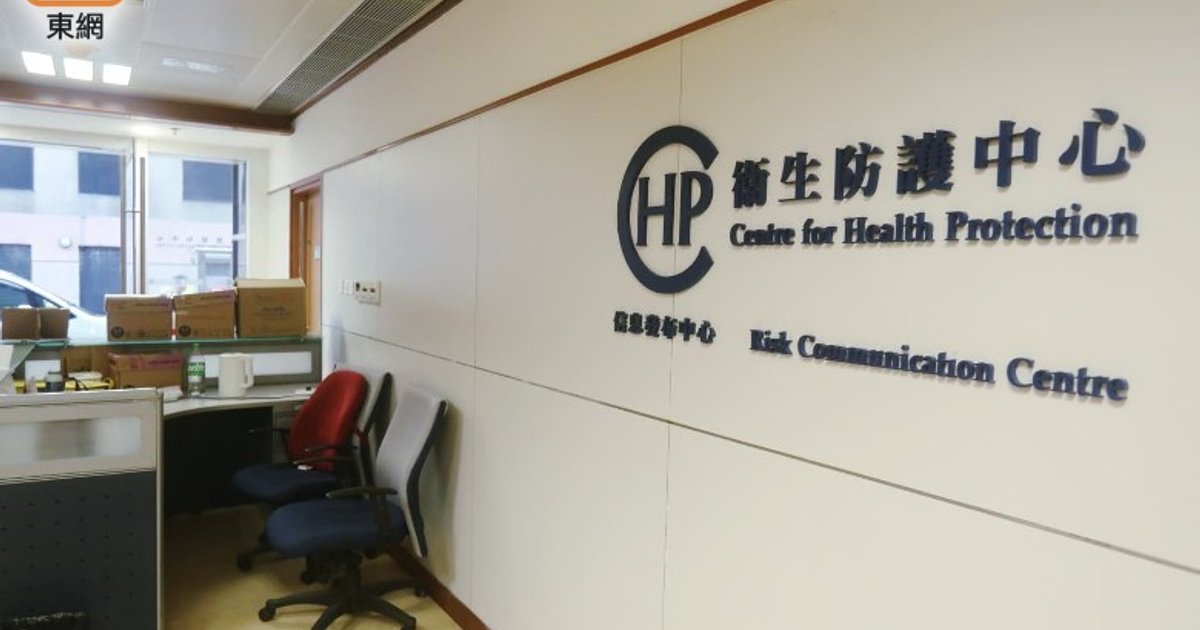
The Centre for Health Protection confirmed on August 29 a new monkeypox case involving a 39-year-old male resident in Hong Kong. The patient, who had not received the monkeypox vaccine, developed symptoms including fever, swollen neck lymph nodes, mouth ulcers and rashes on the face, torso, limbs and genitals. He was admitted to Queen Elizabeth Hospital on August 26 for isolation and testing after seeking treatment for a pre-existing condition. Laboratory tests confirmed the monkeypox infection, and the man is now being transferred to Princess Margaret Hospital for continued care while in stable condition.
Key Points
- The 39-year-old patient began experiencing fever and swollen neck lymph nodes on August 24, followed by mouth ulcers and rashes on the face, torso, limbs and genitals
- He sought treatment at Queen Elizabeth Hospital on August 26 for a pre-existing condition and was admitted the same day for isolation and treatment
- Public health laboratory tests confirmed the monkeypox infection; the patient had not been vaccinated against monkeypox
- According to the patient, he had high-risk contact with two unfamiliar men in Hong Kong during the incubation period
- The Centre for Health Protection is tracing individuals who had close contact with the patient and will report the case to the World Health Organization
- Since 2022, Hong Kong has recorded 97 monkeypox cases (77 local and 20 imported), all among males
Why It Matters
This case highlights ongoing monkeypox transmission in Hong Kong, where epidemiological investigations show the majority of cases are linked to high-risk sexual behaviour, including sexual encounters with strangers or intercourse without condoms . The health authorities' contact tracing efforts are crucial to preventing further spread, particularly among high-risk populations who remain unvaccinated.
This case highlights ongoing monkeypox transmission in Hong Kong, where epidemiological investigations show the majority of cases are linked to high-risk sexual behaviour, including sexual encounters with strangers or intercourse without condoms . The health authorities' contact tracing efforts are crucial to preventing further spread, particularly among high-risk populations who remain unvaccinated.