From LANGO to TeachTech+: Aldrich Bay Government Primary School Pioneers Compassionate AI Classrooms
SingTao · 1 SOURCESabout 2 hours ago9 MIN
Summary
The global education landscape is undergoing a fundamental transformation as the Organisation for Economic Co-operation and Development (OECD) has announced that its Programme for International Student Assessment (PISA) will include Media and AI Literacy (MAIL) as a core assessment domain starting in 2029 . This paradigm shift signals that future international competitiveness will no longer test whether children can operate AI tools, but rather whether they possess critical thinking, information verification skills, privacy protection, and responsible digital ethics. In response to this worldwide trend, Hong Kong's Education Bureau has released the Primary and Secondary Digital Education Development Blueprint and the AI Literacy Learning Framework, allocating HK$2 billion to integrate technology with curriculum .
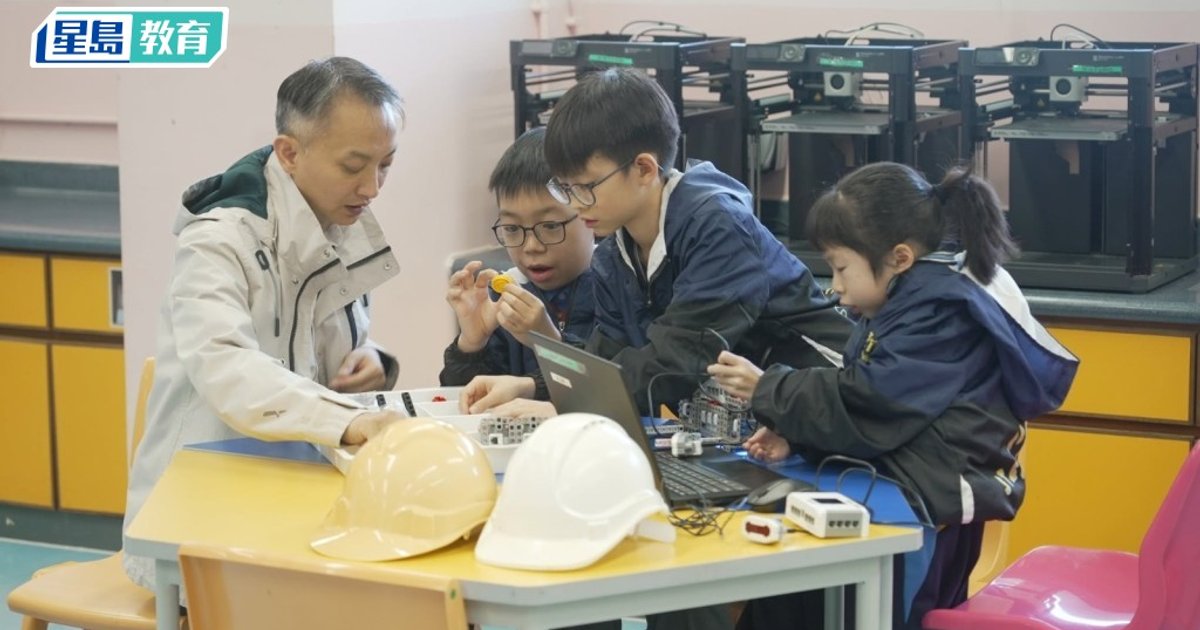
Aldrich Bay Government Primary School (愛秩序灣官立小學) has been pioneering AI education for five years, developing a forward-thinking AI learning environment tailored to students' needs . The school initially introduced the English LANGO AI chatbot, including the popular "Uncle Tommy," which broke traditional time and space limitations for oral practice . The institution later deepened its collaboration with a team from the University of Hong Kong, adopting the MAI MIND AI system trained according to local curriculum and grading standards to provide objective, real-time feedback on students' Chinese essays, significantly sparking their creative enthusiasm .
Key Points
- The OECD's PISA 2029 will assess students on Media and AI Literacy (MAIL), evaluating critical thinking, misinformation detection, and digital ethics
- Hong Kong's Education Bureau has reserved HK$2 billion to promote technology-curriculum integration through its Digital Education Development Blueprint
- Five years ago, Aldrich Bay Government Primary School introduced LANGO AI chatbots, including "Uncle Tommy," for English oral practice without time or location constraints
- The school partnered with University of Hong Kong researchers to deploy MAI MIND AI for Chinese essay feedback, tailored to local curriculum standards
- This academic year, Tutor Jolly writing assessment system was fully implemented across English classes, analyzing students' blind spots in grammar, vocabulary, structure, and content
- The school adopted TeachTech+ platform developed by the Education University of Hong Kong, allowing teachers to objectively analyze classroom interactions and design remedial instruction with precision
- Parents are advised to serve as "thinking mentors" by guiding children to view AI as a learning partner, teaching precise questioning, reinforcing digital ethics, and encouraging real-world experiences
- The school's "Parent Academy" will launch a series of AI learning and digital literacy workshops for family-school collaboration
Why It Matters
As Hong Kong positions itself at the forefront of AI education, schools like Aldrich Bay Government Primary School are demonstrating how technology can enhance rather than replace human teaching, creating warm and effective learning environments. The HK$2 billion investment and integration of MAIL into international assessments signal that Hong Kong's next generation must become digitally empowered "agents" who control technology, rather than passive recipients dominated by algorithms. Parents and educators working together through initiatives like Parent Academy workshops can ensure children develop the critical thinking and ethical foundations needed to navigate an AI-driven future responsibly.
As Hong Kong positions itself at the forefront of AI education, schools like Aldrich Bay Government Primary School are demonstrating how technology can enhance rather than replace human teaching, creating warm and effective learning environments. The HK$2 billion investment and integration of MAIL into international assessments signal that Hong Kong's next generation must become digitally empowered "agents" who control technology, rather than passive recipients dominated by algorithms. Parents and educators working together through initiatives like Parent Academy workshops can ensure children develop the critical thinking and ethical foundations needed to navigate an AI-driven future responsibly.