HKBU Goodwill Family Program Matches 229 Non-Local Freshmen with 79 Local Households
On.cc · 1 SOURCESabout 2 hours ago2 MIN
Summary
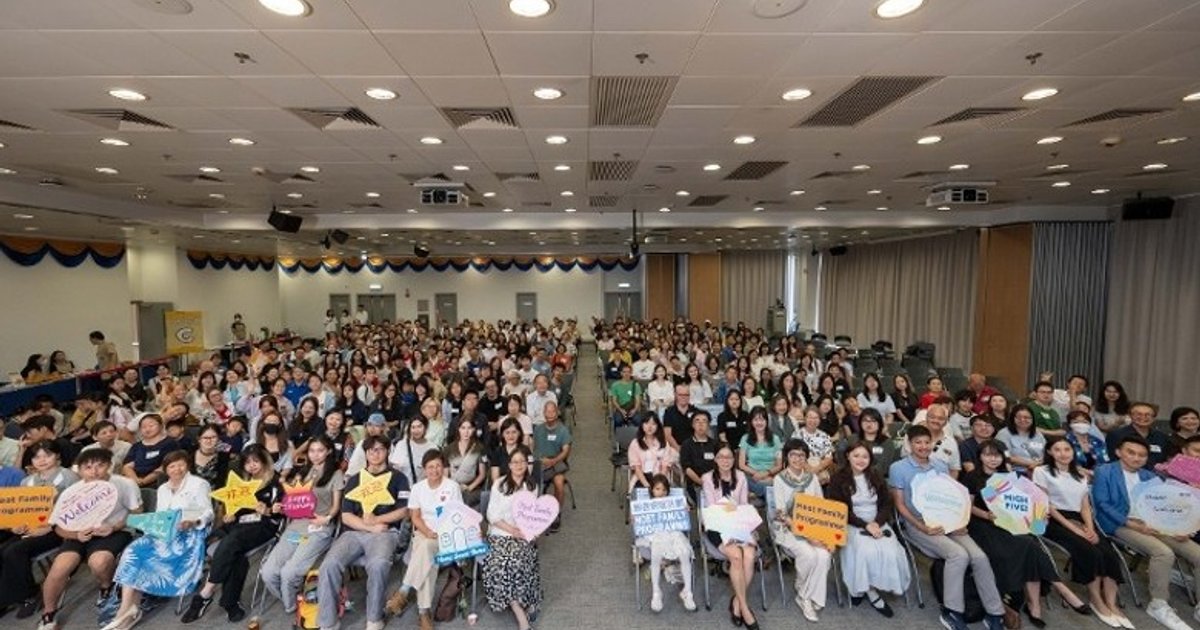
Hong Kong Baptist University held its "Goodwill Family Program 2026-27" meet-and-greet on September 12, successfully matching 229 non-local freshmen with 79 local households for a year-long cultural exchange initiative. The program, which has operated for 23 years, aims to help international students adapt to life in Hong Kong and experience local culture firsthand .
Key Points
- The event paired 194 mainland Chinese students and 35 overseas students from 12 countries with 79 local "Goodwill Families" in one-to-one introductions
- The initiative began in 2003 and expanded in 2025 to include non-local postgraduate students, having benefited nearly 2,700 students to date
- Each family is assigned two to four international students and receives support from the university or non-profit organizations, with official activities including Victoria Harbour tours and Cheung Chau excursions
- Pan Wenhui, a senior technical director at HKBU's School of Chinese Medicine who joined as a student in 2008, now serves as a host family and won the "Most Favorite Family Award" for two consecutive years
- Gou Jiarui, a first-year science student from Beijing, expressed enthusiasm about experiencing Cantonese culture through morning tea, market visits, and traditional festivals with his host family
Why It Matters
The program addresses a critical gap in Hong Kong's efforts to attract and retain global talent by providing non-local students with essential cultural navigation and emotional support during their crucial first year. With the city positioning itself as a regional education hub amid intense competition, such grassroots integration initiatives can significantly influence students' long-term perceptions and decisions about building their futures in Hong Kong .
The program addresses a critical gap in Hong Kong's efforts to attract and retain global talent by providing non-local students with essential cultural navigation and emotional support during their crucial first year. With the city positioning itself as a regional education hub amid intense competition, such grassroots integration initiatives can significantly influence students' long-term perceptions and decisions about building their futures in Hong Kong .