Hong Kong Father Debates Accepting Tung Chung Public Housing Over Daughter's Schooling
Bastillepost · 1 SOURCESabout 2 hours ago5 MIN
Summary
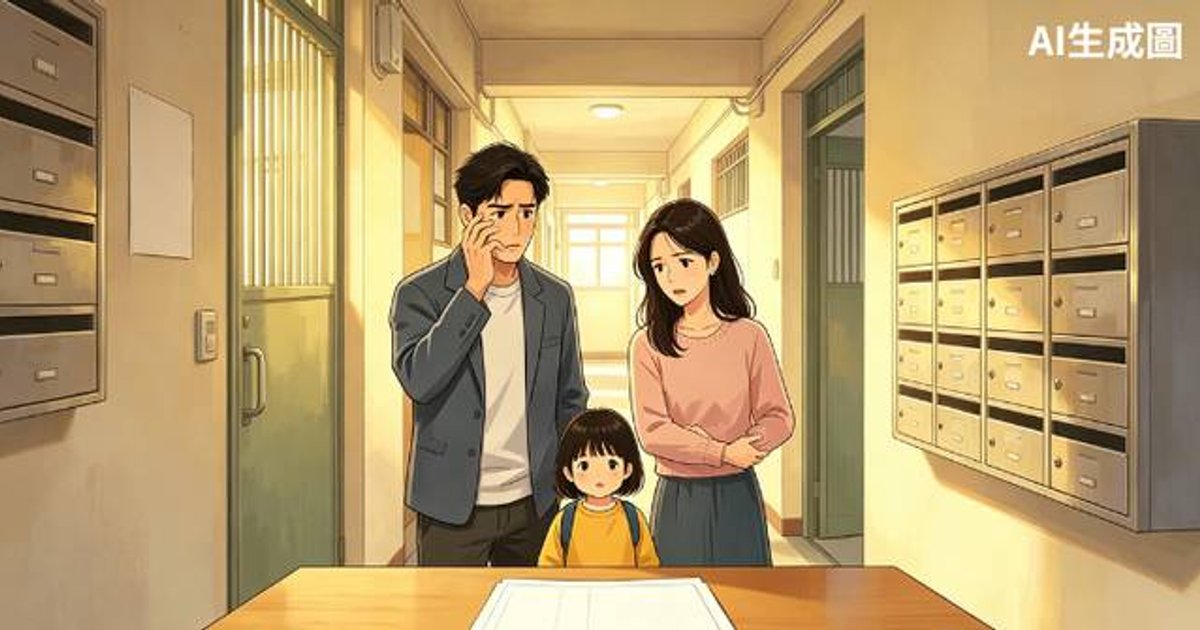
A Hong Kong father who waited years for public housing allocation finds himself in an unexpected dilemma. After being assigned a mid-floor unit in Juen Wing House (雋永樓) at the newly completed Juen Tung Estate (雋東邨) in Tung Chung, he must decide whether to accept the offer or gamble on a second allocation closer to his current home in Ma On Shan. The family's primary concerns centre on their four-year-old daughter's upcoming K2 education and the father's daily commute to Tsuen Wan. The case has sparked heated debate among netizens, with opinions sharply divided over the trade-offs between housing quality, education opportunities, and location convenience .
Key Points
- The family qualifies under the "expanded urban area" three-person household queue and was allocated a mid-floor unit in Juen Wing House, Juen Tung Estate, Tung Chung
- The father works in Tsuen Wan while the mother plans to rejoin the workforce; the four-year-old daughter is about to start K2
- Netizens warn that Tung Chung's school network offers limited options with reportedly no Band 1 secondary schools, unlike the well-resourced Sha Tin network
- Supporters argue the E32A bus route provides direct access to Tsuen Wan and that airport-area jobs near Chek Lap Kok offer abundant part-time opportunities
- Rejecting the first allocation carries risks including potential assignment to older estates or repeated allocations in the Islands District
Why It Matters
This case illustrates the difficult trade-offs many Hong Kong families face in the public housing queue, where location preferences often conflict with practical considerations like schooling and employment. The polarized responses underscore how Hong Kong's decentralized urban planning creates uneven access to quality education and employment hubs, forcing families to make compromises that can impact children's development and parents' career prospects for years .
This case illustrates the difficult trade-offs many Hong Kong families face in the public housing queue, where location preferences often conflict with practical considerations like schooling and employment. The polarized responses underscore how Hong Kong's decentralized urban planning creates uneven access to quality education and employment hubs, forcing families to make compromises that can impact children's development and parents' career prospects for years .